
×
SeaArt AI الإصدارة المؤسسية

Picture of a city with mountains in the background, Japanese Street
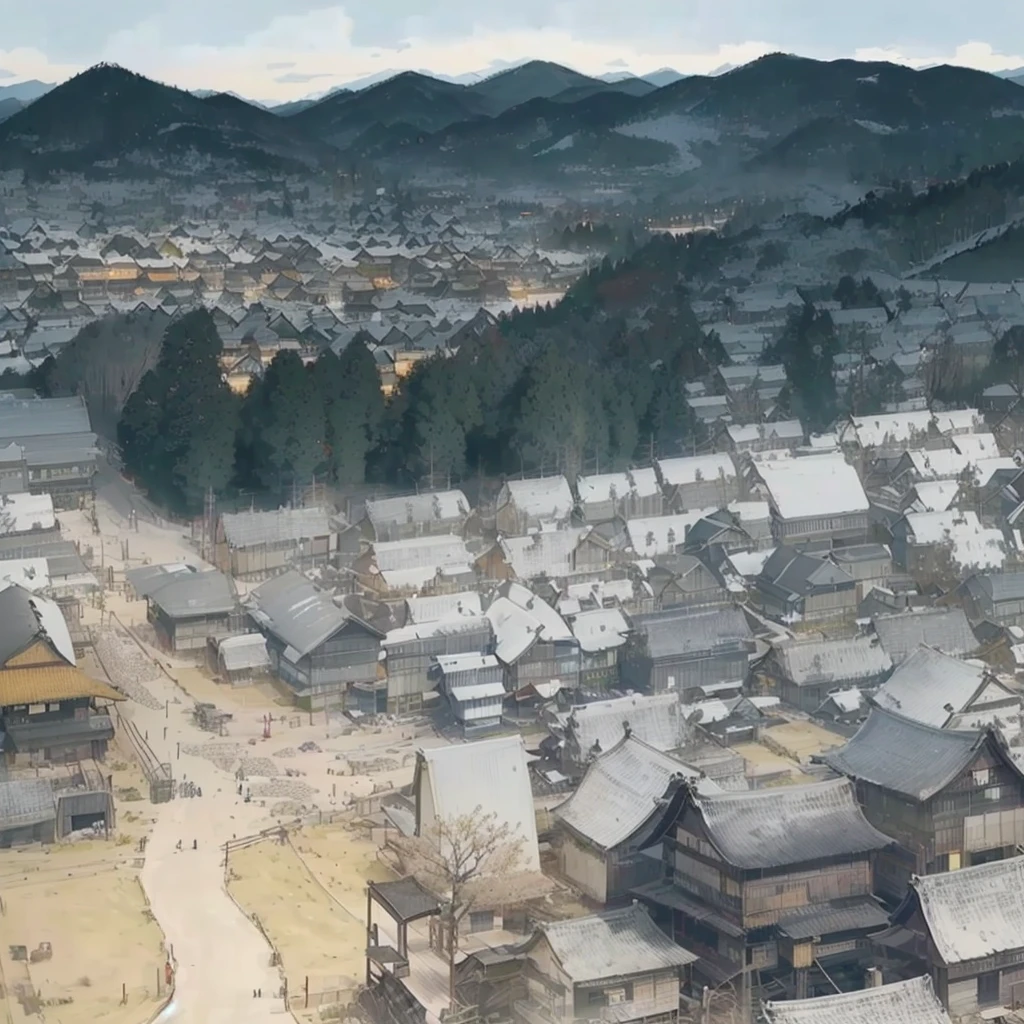

Picture of a city with mountains in the background, Japanese Street, Town Background, Anime scenery concept art, Scenery of Attack on Titan, Japanese countryside, Distant village background, Japanese Village, Xin Haicheng, Distant villages, Townscape, Japanese cities, 背景のJapanese Village, Anime Background Art, Aerial photography by Yoji Shinkawa Blazing flames, fire, crowd, throng, freezing, mother warming her baby.Scenery and Cityscape in the Early Meiji Era After the Meiji Restoration, Japan underwent rapid modernization and civilization. Consequently, many changes and reforms occurred. Below is a detailed explanation of the scenery, appearance of the poor, occupations, and cityscapes in the early Meiji period (1868 to the early 1880s). 2. Appearance of the Poor Life for the impoverished and lower classes remained harsh. In particular, in urban areas, people migrated from rural areas or unemployed artisans gathered, intensifying competition in the labor market. Many of them struggled with poverty, often residing in slums or around temples. 3. Occupations Meiji early Japan witnessed a diversification of occupations. Traditional agriculture and handicrafts were accompanied by the rise of modern industry and commerce. Particularly in urban areas, factory workers, shop clerks, and transporters increased, giving rise to new professions. However, many in these occupations endured harsh working conditions. 4. Influence of Civilization and Enlightenment During the Meiji era, Western cultural influences spread rapidly. Changes in clothing, dietary habits, and the proliferation of Western-style architecture advanced, especially in urban areas. Conversely, this development posed a threat to traditional culture and lifestyles, resulting in societal upheaval and adaptation challenges. 5. Social Change and Policy Influence While promoting modernization policies, the government also addressed poverty and social issues. Legislation for labor protection and charitable activities to aid the poor were implemented. Nevertheless, living conditions for the impoverished scarcely improved. The early Meiji period marked a rapid transformation in Japan, with complex social landscapes involving challenges face
image
avatar
T
TOXBOX
معلومات الإبداع
ريمكس
السجل
كلمة التلميح
Picture of a city with mountains in the background , Japanese Street , Town Background , Anime scenery concept art , Scenery of Attack on Titan , Japanese countryside , Distant village background , Japanese Village , Xin Haicheng , Distant villages , Townscape , Japanese cities , 背景のJapanese Village , Anime Background Art , Aerial photography by Yoji Shinkawa Blazing flames , fire , crowd , throng , freezing , mother warming her baby . Scenery and Cityscape in the Early Meiji Era After the Meiji Restoration , Japan underwent rapid modernization and civilization . Consequently , many changes and reforms occurred . Below is a detailed explanation of the scenery , appearance of the poor , occupations , and cityscapes in the early Meiji period (1868 to the early 1880s) . 2 . Appearance of the Poor Life for the impoverished and lower classes remained harsh . In particular , in urban areas , people migrated from rural areas or unemployed artisans gathered , intensifying competition in the labor market . Many of them struggled with poverty , often residing in slums or around temples . 3 . Occupations Meiji early Japan witnessed a diversification of occupations . Traditional agriculture and handicrafts were accompanied by the rise of modern industry and commerce . Particularly in urban areas , factory workers , shop clerks , and transporters increased , giving rise to new professions . However , many in these occupations endured harsh working conditions . 4 . Influence of Civilization and Enlightenment During the Meiji era , Western cultural influences spread rapidly . Changes in clothing , dietary habits , and the proliferation of Western-style architecture advanced , especially in urban areas . Conversely , this development posed a threat to traditional culture and lifestyles , resulting in societal upheaval and adaptation challenges . 5 . Social Change and Policy Influence While promoting modernization policies , the government also addressed poverty and social issues . Legislation for labor protection and charitable activities to aid the poor were implemented . Nevertheless , living conditions for the impoverished scarcely improved . The early Meiji period marked a rapid transformation in Japan , with complex social landscapes involving challenges face
مقاس
1024X1024
تاريخ
Jul 17, 2024
الوضع
الافتراضي
النوع
upscale
Checkpoint & LoRA
Checkpoint
ReV Animated
0 تعليق
0
0
0
0/400

منطقة العروض الخاصة

رؤية المزيد 

اقتراحات ذو صلة

شبكة التحكم
logo
العربية
تطبيقة
توليد الصورة شخصيات AI سويفت AI تدريب النموذج اللوحة المتقدمة الأداة السريعة تيار العمل
ذات الصلة
الاستوديو التصنيفات كلما عالت جودة الصور المولدة، زادت العملات الرمزية المستهلكة، والآن مجاني لفترة محدودة مدونة AI أخبار AI
دعم
الدليل خدمة العملاء
احصل على التطبيق
icon
Download on the
APP Store
icon
GET IT ON
Google Play
تابعنا
iconiconiconiconiconiconiconicon
© 2025 SeaArt, Inc.
Copyright Policy
شروط
سياسة الخصوصية 特定商取引法 資金決済法に基づく表示
المزيد