日本語版
Introduction
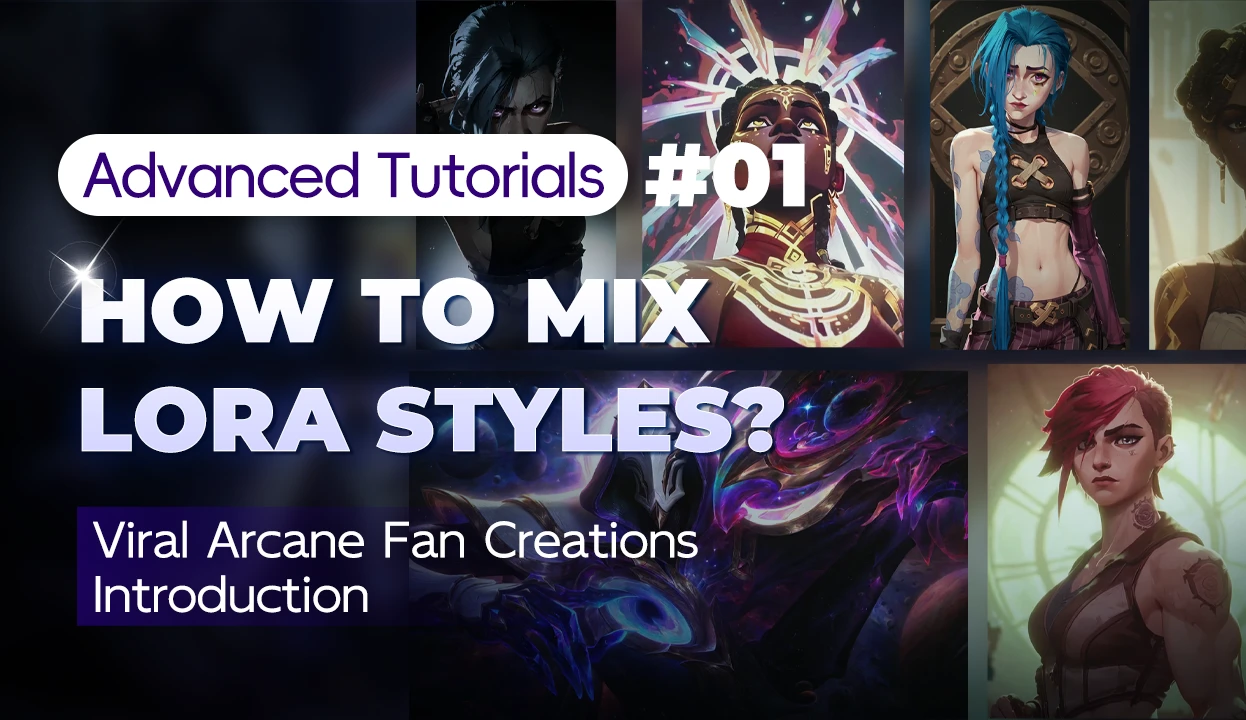
Once you've learned the basics of LoRA training, remixing popular IPs with contrasting aesthetics is a clever way to take your creativity to the next level. This guide walks you through how to use LoRA stacking on SeaArt to create advanced, mixed-style artwork. Even beginners can follow along easily!
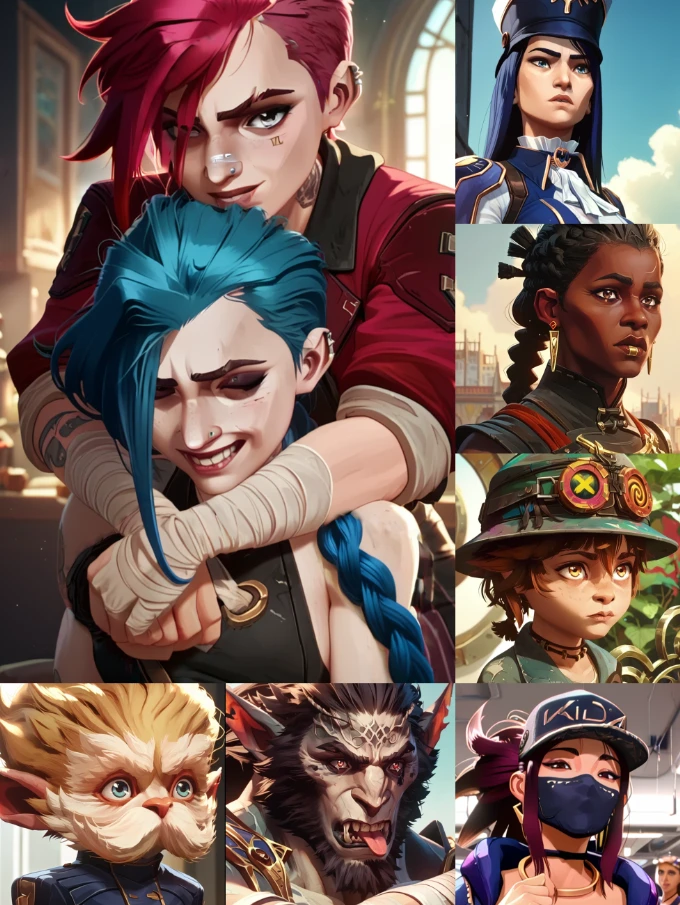
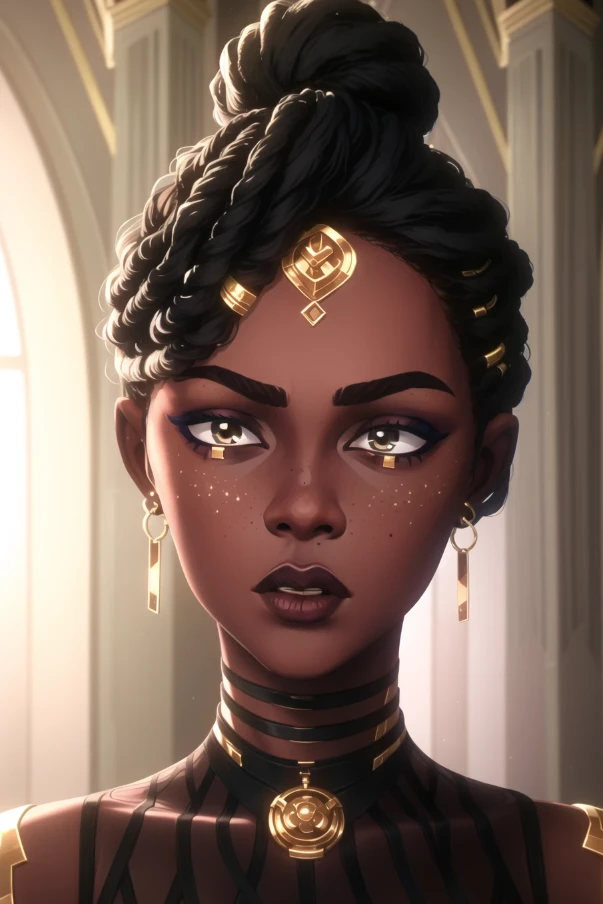
💡 Want to attract more fans to your creations? Starting with trending IPs is a great move. Arcane, Riot Games' first animated series and Emmy winner for Outstanding Animated Program, has a visually striking art style. Building off its core aesthetic makes it easy to generate impressive results.
* Original Style Breakdown:
Steampunk + Cyberpunk, hand-drawn textures (like charcoal, oil painting effects) overlaid with 3D character texture
But wait! Once you learn the remixing technique below, your work will stand out even more.
I. The Basics of Style Mixing
Before jumping into mixing styles, make sure you understand the differences between the base model, LoRA, and checkpoint. Knowing how they work together will help you layer styles more effectively.
1. Model (Base Model)
Nature: A pre-trained large generative model (e.g., Stable Diffusion 1.5/2.1) that contains complete neural network parameters.
Features:
Has a large file size (typically 2 to 7GB) and can generate images on its own.
Covers various styles, but lacks fine-tuned details (like specific anime characters).
Example: sd_v1.5.safetensors, anything-v4.5.ckpt
2. LoRA (Low-Rank Adaptation)
Nature: A lightweight fine-tuning technique, a small adapter attached to the base model.
Features:
Has a small size (typically 10 to 200MB), and only modifies a few parameters of the base model.
Adds specific styles or characters (e.g., Tanjiro from Demon Slayer, anime line art).
Cannot be used alone and requires a base model to run.
Purpose:
Quickly train character traits, avoiding the need to retrain the entire large model.
Flexibly switch between different LoRAs (e.g., changing outfits or art styles).
Example: tanjiro_lora.safetensors
3. Checkpoint (checkpoint/model archive)
Nature: A complete model state (including all parameters) saved during the training process.
Features:
It can be the base model itself (e.g., SD 1.5's ckpt file).
It can also be a fine-tuned complete model (like the one with ancient Chinese art style).
Has a large file size and can generate images on its own.
Relationship to LoRA:
If you fine-tune all parameters of a base model (not LoRA), the saved checkpoint will include all modifications.
When training a LoRA, it can be saved as a checkpoint, but this usually refers to the LoRA itself.
Example: waifu-diffusion_finetuned.ckpt
Use Cases
1. Quick character customization:
Use a Base Model (like SD 1.5) with a LoRA (Tanjiro adapter).
2. Full control over the art style:
Use a fine-tuned Checkpoint (like watercolor style).
3. Training flexibility:
Train a LoRA to test, and once satisfied, fine-tune all parameters to create a Checkpoint.
Quick Summary
● Think of the base model as the artist, a checkpoint as their full skillset, and LoRA as a style filter or a character generator given to the artist.
● LoRA is lightweight and flexible, while Checkpoint is complete but bulky. They can complement each other!
II. Why Use LoRA for Style Remixing?
Now that you know the basics, it's easier to understand this fan creation technique.
1. What makes LoRA special: With just a lightweight file (typically 3 to 5MB), LoRA can give you highly precise style control over a base model like SD 1.5 or SDXL.
2. Fan creation technique: The base model sets the overall tone, the character LoRA ensures accurate character generation, the style LoRA brings in the visual twist, and the prompts help enhance details and effects.
III. Detailed Analysis of Popular Styles
Here are some trending Arcane fan creations. We'll break down their visual ingredients so you can apply similar aesthetics to your creations.
1. Cyberpunk Street Style
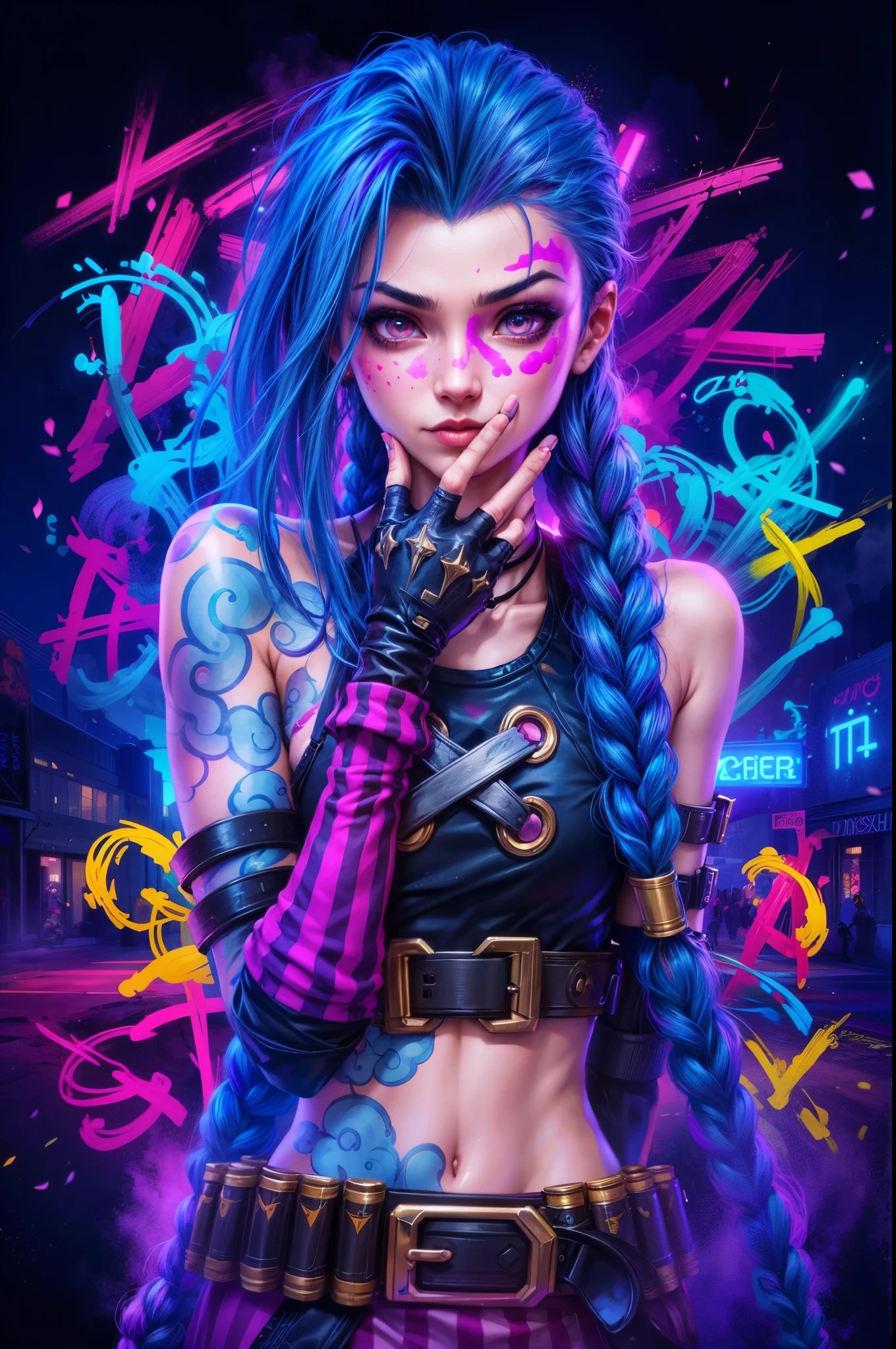
Key Elements: Cyberpunk + Toon Shading + Graffiti Art
Reference Prompts:
● Main Style:
Cyberpunk street art style
Cartoon rendering character
● Element Details:
Vivid graffiti text (e.g., BOOM, HA HAHA)
Neon color contrast
Street symbols (smiley face, stars)
● Image Composition:
Dynamic character pose
High-saturation color scheme
Recommended Models & Parameters:
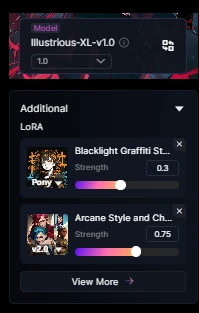
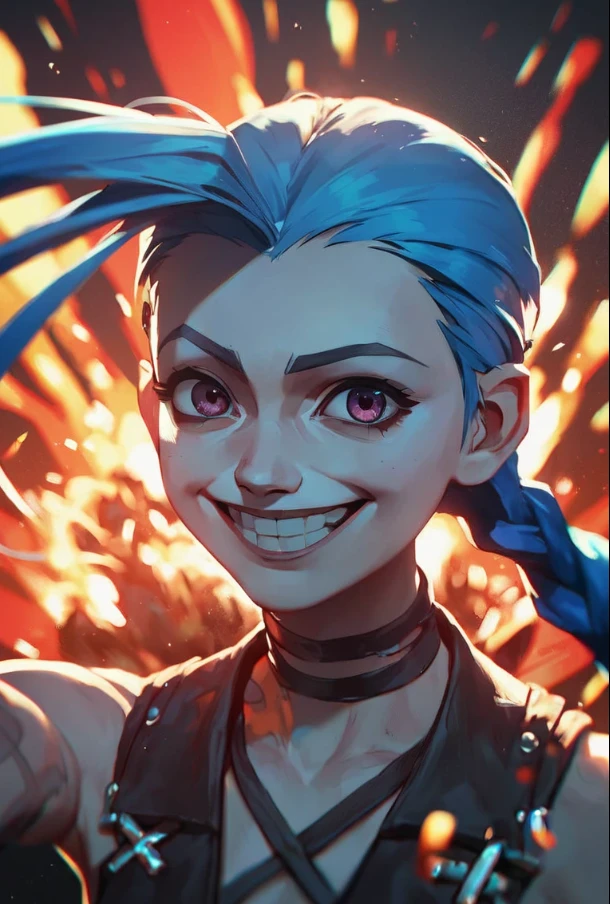
2. Neon Cyberpunk Psychedelic Style
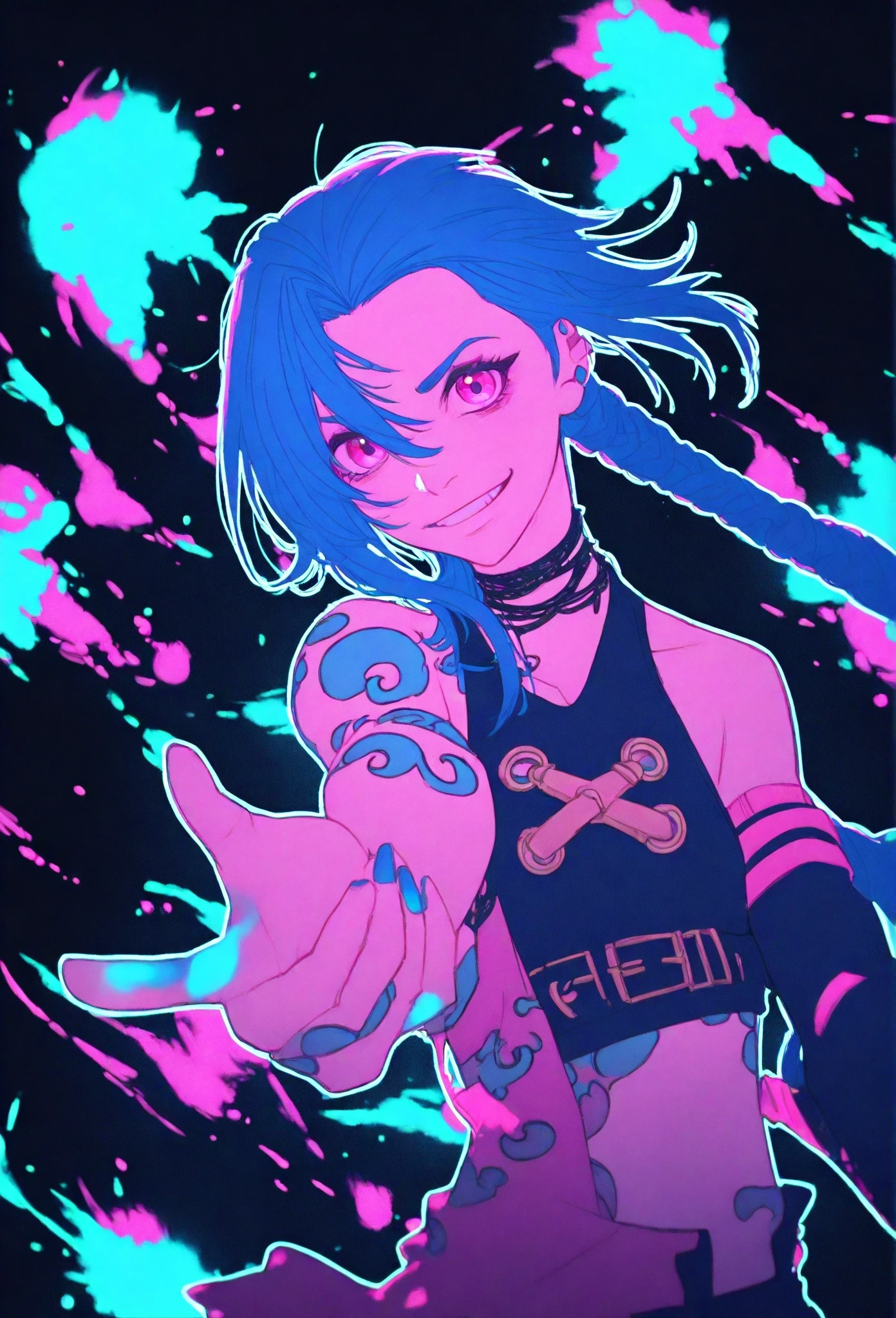
Key Elements: Fluorescent colors + Abstract brushwork
Reference Prompts:
● Main Style:
Neon cyberpunk psychedelic style
Abstract expressionism brushstrokes
● Element Details:
High-saturation fluorescent colors (cyan, magenta)
Glowing character effect
Abstract text rendering (e.g., JINX)
● Visual Effects:
Color overlay and blending
Dynamic brushstroke textures
limited palette, black background, colorful, vibrant, glowing outline, neon, blacklight, looking at viewer, masterpiece, very aesthetic
Recommended Models & Parameters:
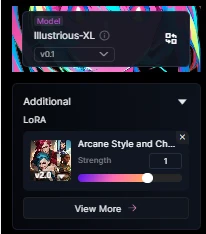
3. Realistic Thick Painting Style
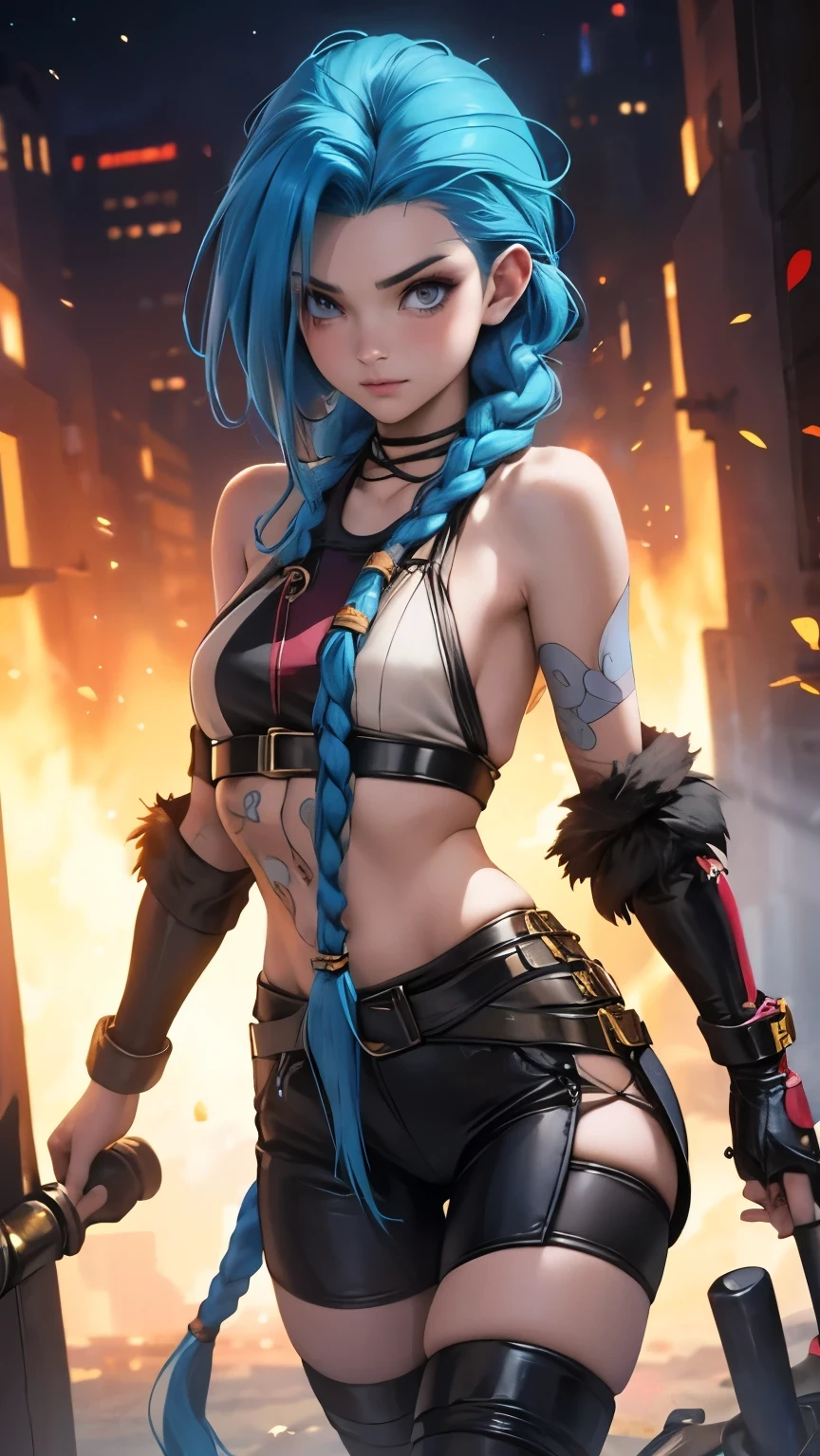
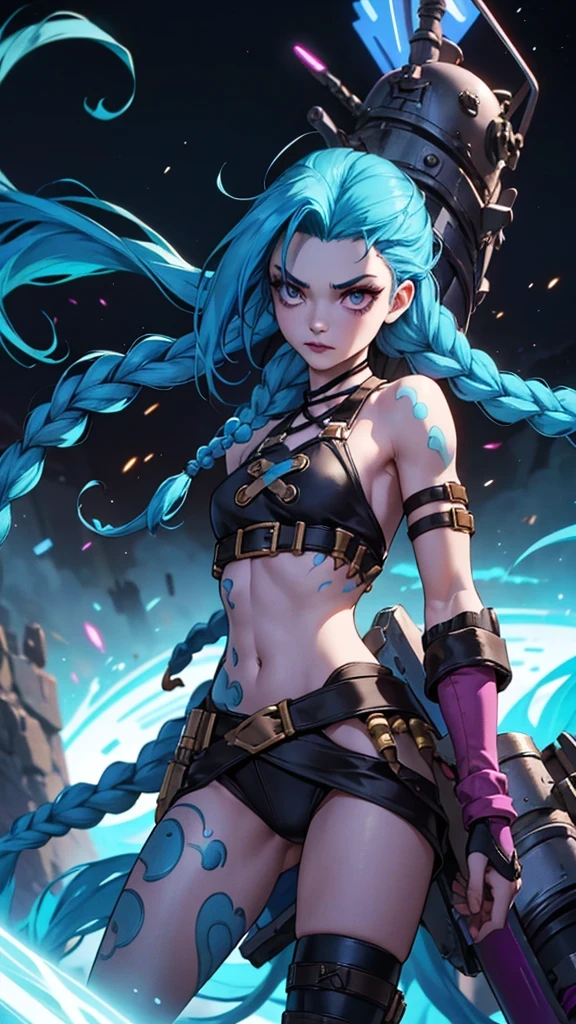
Key Elements: Detailed brushwork + Fine rendering + Lighting effects
● Main Style:
Realistic thick painting style
Character-driven narrative illustration
● Visual Elements:
Teal blue hair, red pupils
Flying bullets
Punk-style clothing with metallic accessories
● Visual Effects:
High-detail texture rendering
Warm-cold color contrast
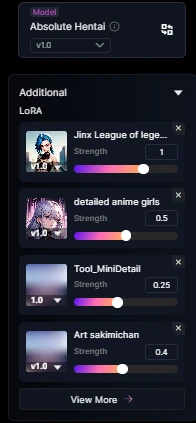
Recommended Models & Parameters:
4. American Illustration Style
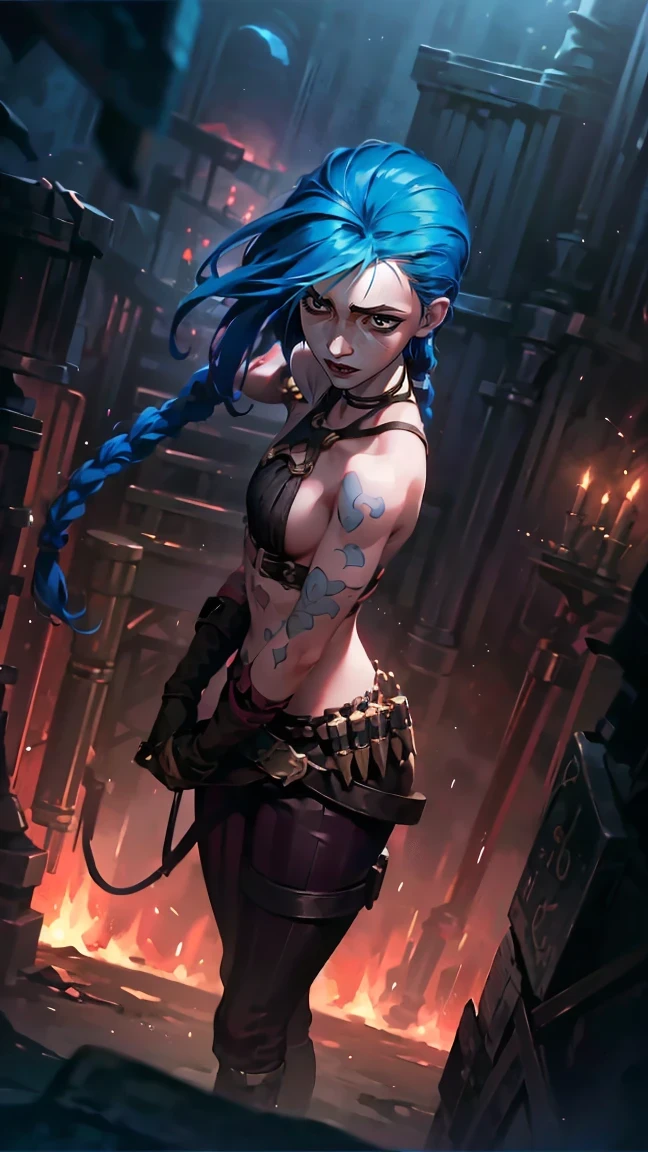
Key Elements: Smooth lines + Western art style + Low-saturation & moody tones
● Main Style:
American animated narrative style
Cyberpunk daily life integration
● Visual Elements:
Mechanical devices, hanging light bulbs, photo walls
● Visual Effects:
Warm light atmosphere rendering
Rich scene detail construction
Action scene
Dark composition
Side lighting
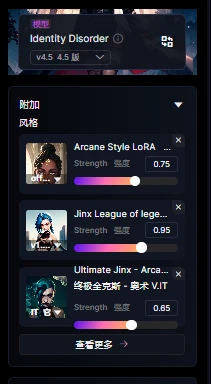
Recommended Models & Parameters:
IV. Expanding the Use of These Styles
The four popular styles above can be expanded and applied to other fan creations, creating different visual effects. Here are some reference directions 👇
| Style | Traits | Best Fit For | Fan Work Recommendations |
|---|---|---|---|
| Cyberpunk Street Style | Futuristic urban theme, rebellious coming-of-age anime | This style combines high-saturation colors, street graffiti elements, and tech aesthetics to enhance the chaos and trendiness of a future metropolis, highlighting the character's rebellious nature. | Cyberpunk: Edgerunners: With the cyberpunk worldview as its core, fan works can further emphasize Night City's street culture and characters' rebellious spirit using street elements (such as graffiti, and neon text). |
| Neon Cyber Psychedelic Style | Surreal, stream of consciousness, or anime with dream elements | Fluorescent color overlays and abstract brushstrokes create a psychedelic atmosphere, suitable for works that transcend reality and emphasize visual impact and emotional expression through their worldview. | PROMARE: The film is characterized by exaggerated flame effects and futuristic settings. For fan works, using Neon cyberpunk psychedelic style can enhance the dreamlike quality of its surreal battle scenes. |
| Realistic Thick Painting Style | Anime focused on character details, epic feel, or dark themes | Through delicate brushstrokes and textural depiction, the character's complex emotions and the scene's weightiness can be highlighted, enhancing the artistic tension of the work. | Attack on Titan: For fan-created character close-ups (such as Eren, and Levi), realistic thick painting can delicately present character expressions and costume textures, reinforcing the gravity and epic feel of the story. |
| American Illustration Style | Anime with rich character interactions and focus on storytelling narration | Through exaggerated dynamics and scene details to assist narration, it can clearly show character relationships and plot development, suitable for works that emphasize storytelling. | League of Legends: Arcane: The original work already uses American animation narrative style. When creating fan works, continuing this style can further explore character interactions (such as Jinx and Vi) and deepen plot details.Adventure Time: With character adventure interactions as the core, use exaggerated expressions and scenes in American animation style for fan creations to maintain its relaxed, humorous and narrative-rich characteristics. |
V. Practical Tips
1. Model Pairing
We have introduced the above style-control models and checkpoints. To generate arcane characters with them, you need to pair them with character-control LoRAs.
Selected Arcane Style Models 👇
【Arcane Style and Characters | All-in-One LoRA | Jinx Vi Mel Caitlyn】