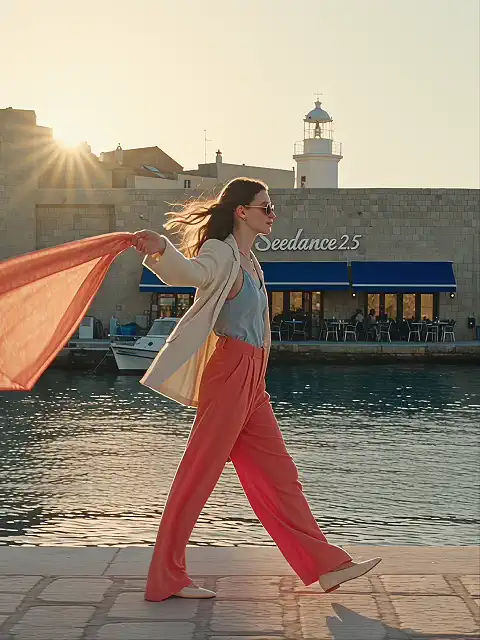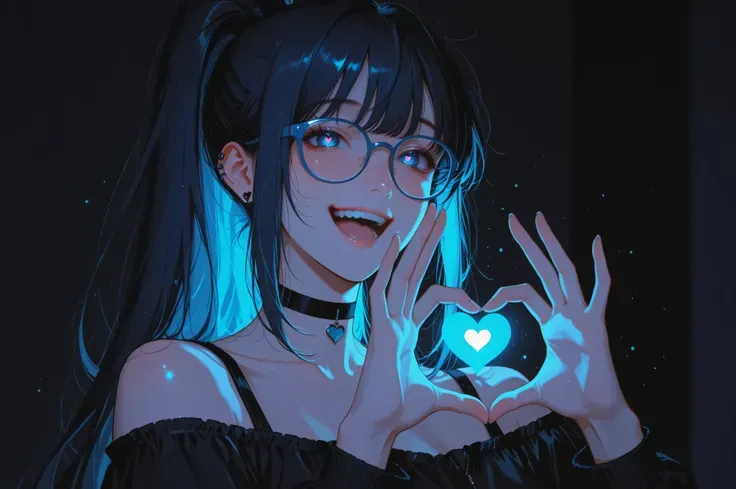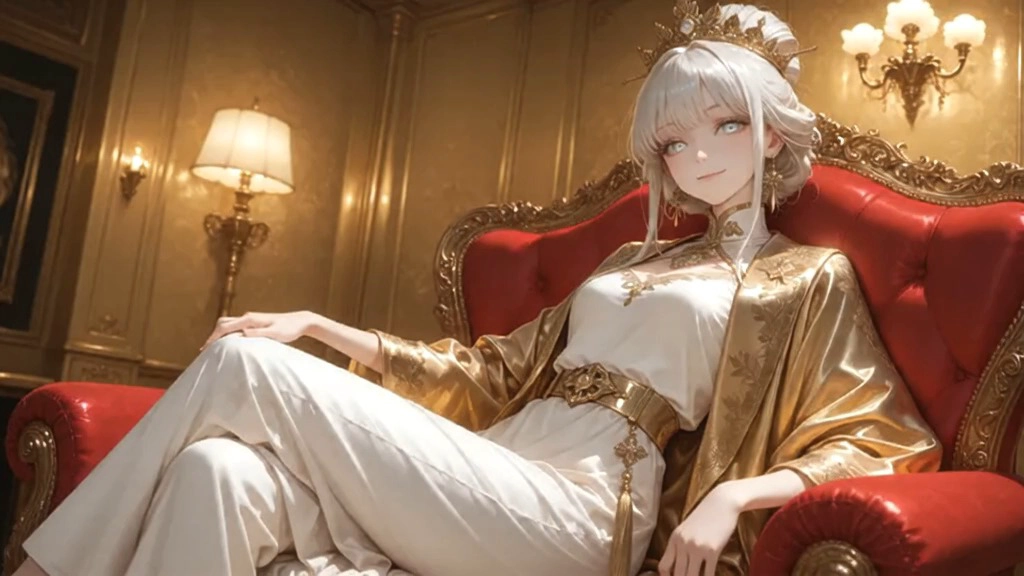
Seedance 2.5 excels at interpreting real filmmaking and cinematography terminology because its training architecture integrates spatial logic, camera mechanics, and cinematic grammar rather than just random keyword associations.
Beyond Buzzwords: Older AI video generators treated prompts like a bag of adjectives (e.g., "cinematic, 4K, dramatic lighting"). Seedance translates structural grammar—understanding where the physical camera is placed relative to the subject and how a scene unfolds in time and space. Lens and focal length are a corner stone of film making. But what do the different lens's do and when should you use them?
Wide-Angle Lenses (16mm to 35mm)
- What they do: Expand the field of view, increase depth of field, emphasize the environment, and stretch perspective (with minor distortion at the edges).
- Best for: Immersive storytelling, action scenes, tight spaces, and establishing shots where the location is just as important as the character.
- Popular choices:
- 24mm: Great for putting the viewer right inside a character's personal space or perspective.
- 35mm: A classic, naturalistic "window into the world" used frequently for everyday drama and dialogue.
Standard / Normal Lenses (40mm to 50mm)
- What they do: Closely mimic human eye perception with minimal distortion and a balanced depth of field.
- Best for: Medium shots, neutral observational scenes, and making the audience feel like a quiet, honest onlooker rather than an active participant.
- Popular choices:
- 40mm: A versatile storyteller focal length that compresses slightly without distorting straight lines.
- 50mm: The traditional "standard" lens used by directors to portray reality truthfully.
Telephoto Lenses (85mm to 100mm+)
- What they do: Narrow the field of view, flatten facial features, create a shallow depth of field, and compress the background so it feels closer to the subject.
- Best for: Flattering close-ups, intimate portraits, separating the subject from a busy background, and emotional isolation.
- Popular choices:
- 85mm / 100mm: Widely favored for close-up shots of actors because they soften features and produce a pleasing, cinematic bokeh.
When creating your prompt, think about the scene and visualize what you want the shot to look like. For example, if I want a medium shot somewhat close to the subject but also showing the setting the subject is in, you would add a line in your prompt like this : [Camera - 45mm medium shot, profile side view, focus is on the subject.] If I wanted the scene closer and more tight with the subjects face for example, you would add a line like this : [Camera - 80mm Intimate close-up, subjects face tightly cropped (or you can place them off center of frame etc).]
By doing this, the model generally will automatically understand what sort of shot you are going for and replicate the depth and focus accurately. Learning film type and specific camera's just bolsters your arsenal but Lens and Focal length is a great beginning point into professional looking video creation.
Understanding and giving the model the correct lens and focal depth for the scene you are creating will help give your work much more depth and substance. This is not limited to just realism or film. Anime and other forms of video all use the terminology to better explain the scene and framing of the shot you are going for.