

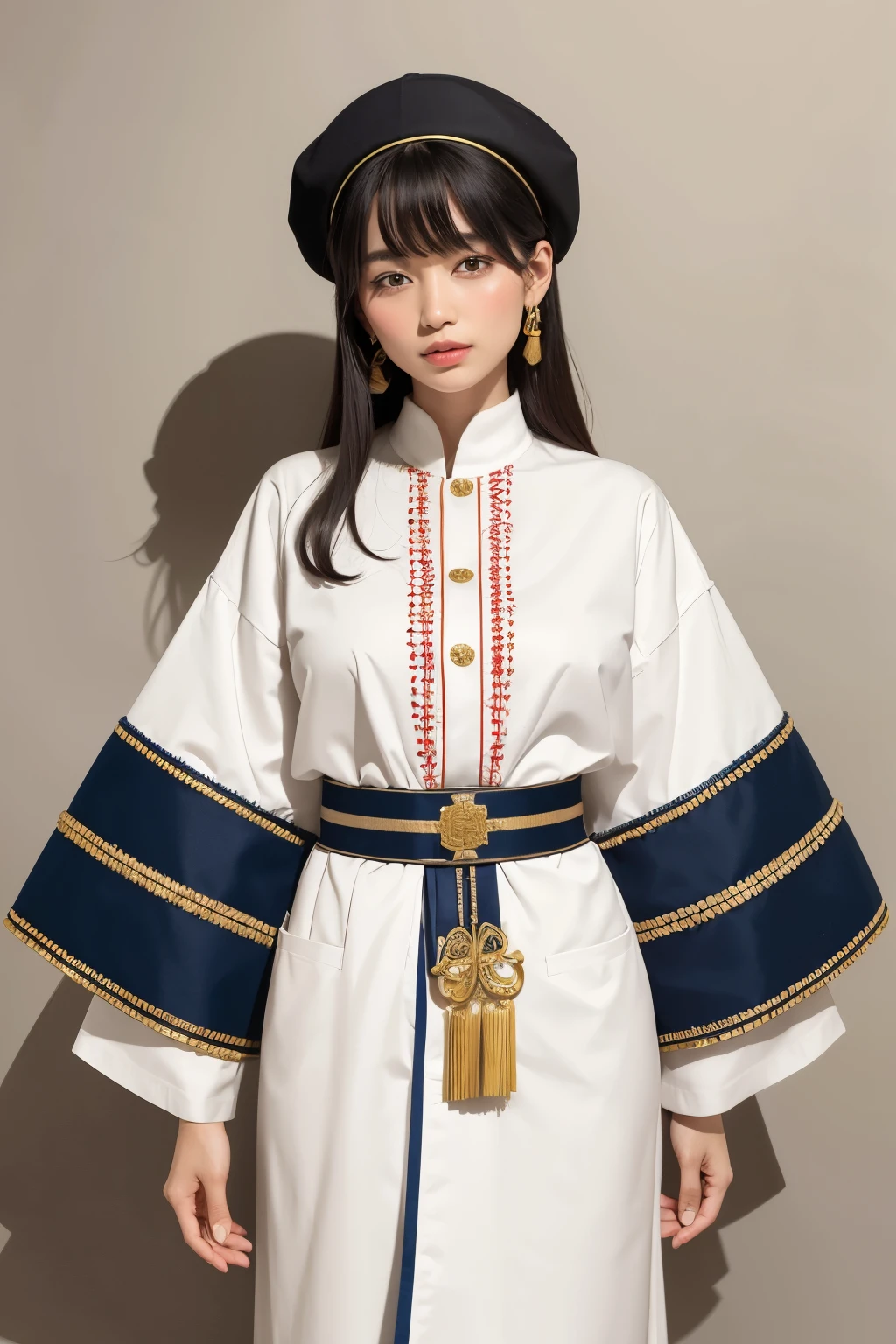
A woman in a white dress and a hat posing for a picture
Generation Info
Prompts
a big fabric:
material: Usually made from natural fabrics such as cotton
,
silk or linen
,
which are light and comfortable
.
production: Fabrics are often handwoven
,
using traditional techniques that have been passed down from generation to generation
.
Design:
colors: Kabe is known for its vibrant and varied colors
,
often inspired by the colors of Okaru'
;
s nature
,
like the blue of the sky
,
the green of the forests
,
the golden of gold
,
and the red of local flowers
.
standards: The embroidered patterns on Kabe are complex and meaningful
,
including peace symbols
,
prosperity
,
and elements of Okaru mythology
.
These embroideries are made with metallic or silk threads
.,
creating a stunning visual contrast
.
Ornaments:
embroideries: The edges of the Kabe are often decorated with detailed embroidery representing local stories or legends
..
applique: Precious and semi-precious stones are sometimes incorporated into Kabe
,
especially in ceremonial attire
,
reflecting the country'
;
s mineral wealth
.
fringes: Some versions of the Kabe have fringes on the sleeves and hem
,
that sway gracefully with the movement
.
Accessories:
waist belt: A wide belt
,
called Rema
,
is used to adjust the Kabe to the waist
.
The Rema can be simple or richly decorated
,
depending on the occasion
.
Hat: On formal occasions
,
a hat called Kima is worn
.
The Kima is made from natural materials and adorned with small embellishments and embroidery
.
embroideries: The edges of the Kabe are often decorated with detailed embroidery representing local stories or legends
..
applique: Precious and semi-precious stones are sometimes incorporated into Kabe
,
especially in ceremonial attire
,
reflecting the country'
;
s mineral wealth
.
fringes: Some versions of the Kabe have fringes on the sleeves and hem
,
that sway gracefully with the movements
,
with wide men'
;
s pants
Checkpoint & LoRA
Checkpoint
Realisian
0 comment
0
0
0
0/400
SeaArt Swift AI Apps
AI Video Generation
Unleash your imagination and let AI create visual wonders for you
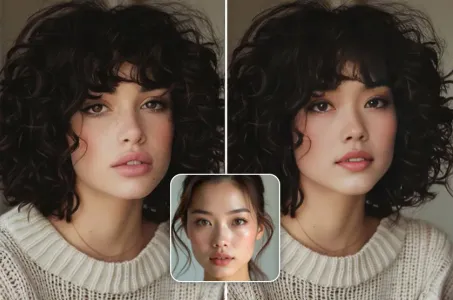
Face Swap Online Free
Create funny or realistic face swap videos & photos in a snap
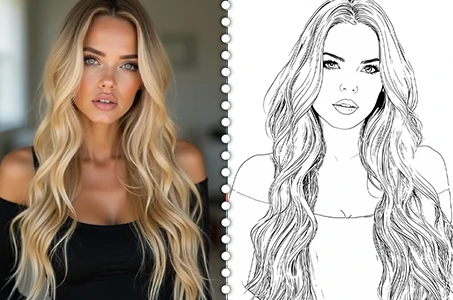
Image to Line Art
Effortlessly convert any image into elegant line art
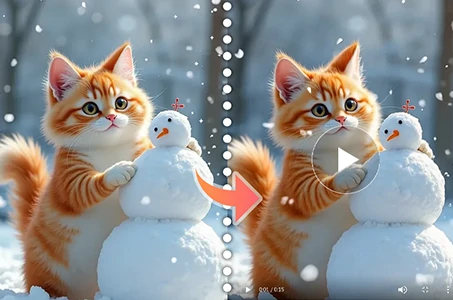
Wan 2.1 Image to Video
Animate photos with realistic motion and cinematic effects.
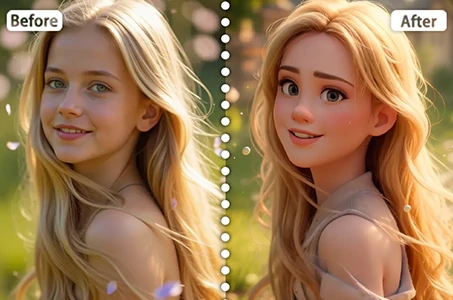
Disney Filter
Instantly transform your photos into Disney characters.
Virtual Try on Clothes
Try on any type of clothes virtually with AI.
Explore More AI Apps