
Type
LORA
Temps de Publication
2025-08-10
Modèle Basique
Flux.1 D
Mots Déclencheurs
La1cl35
The Red-backed Shrike
Lanius collurio
Copier

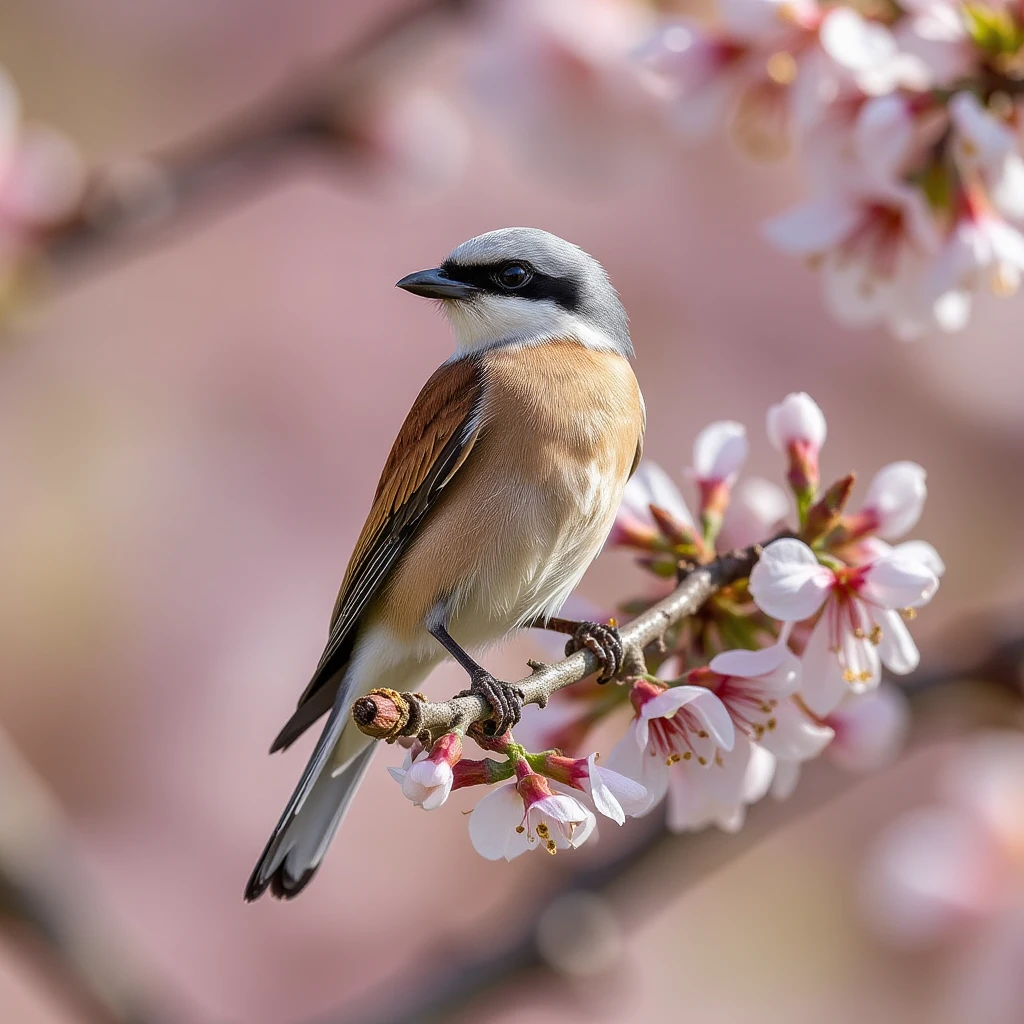
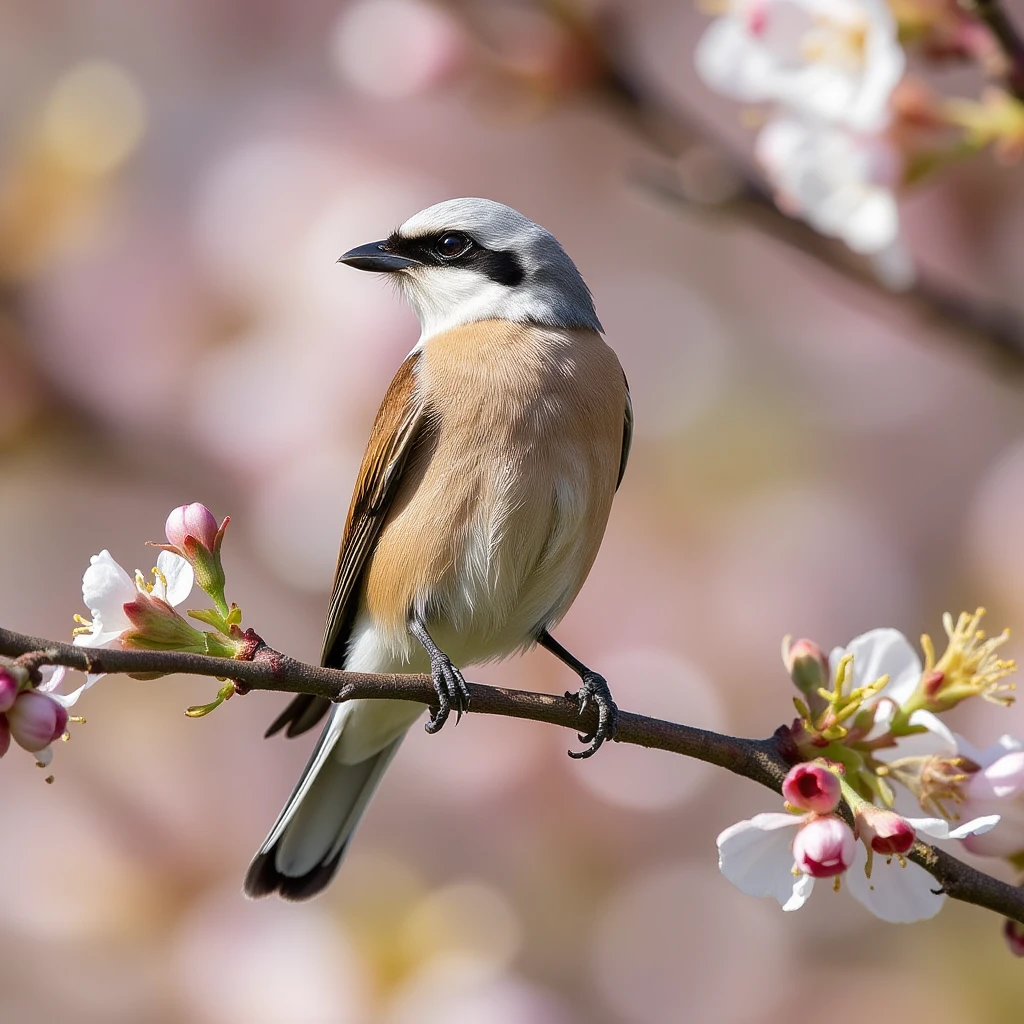
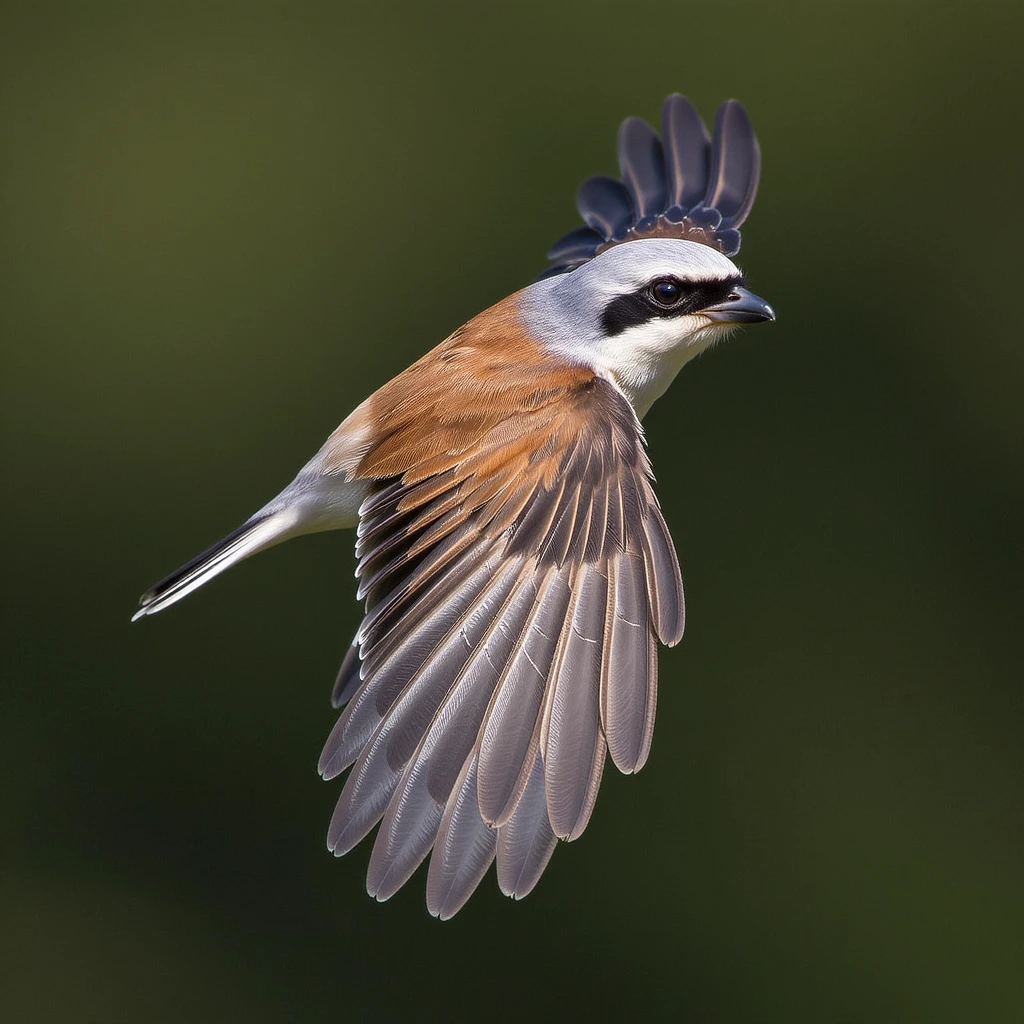
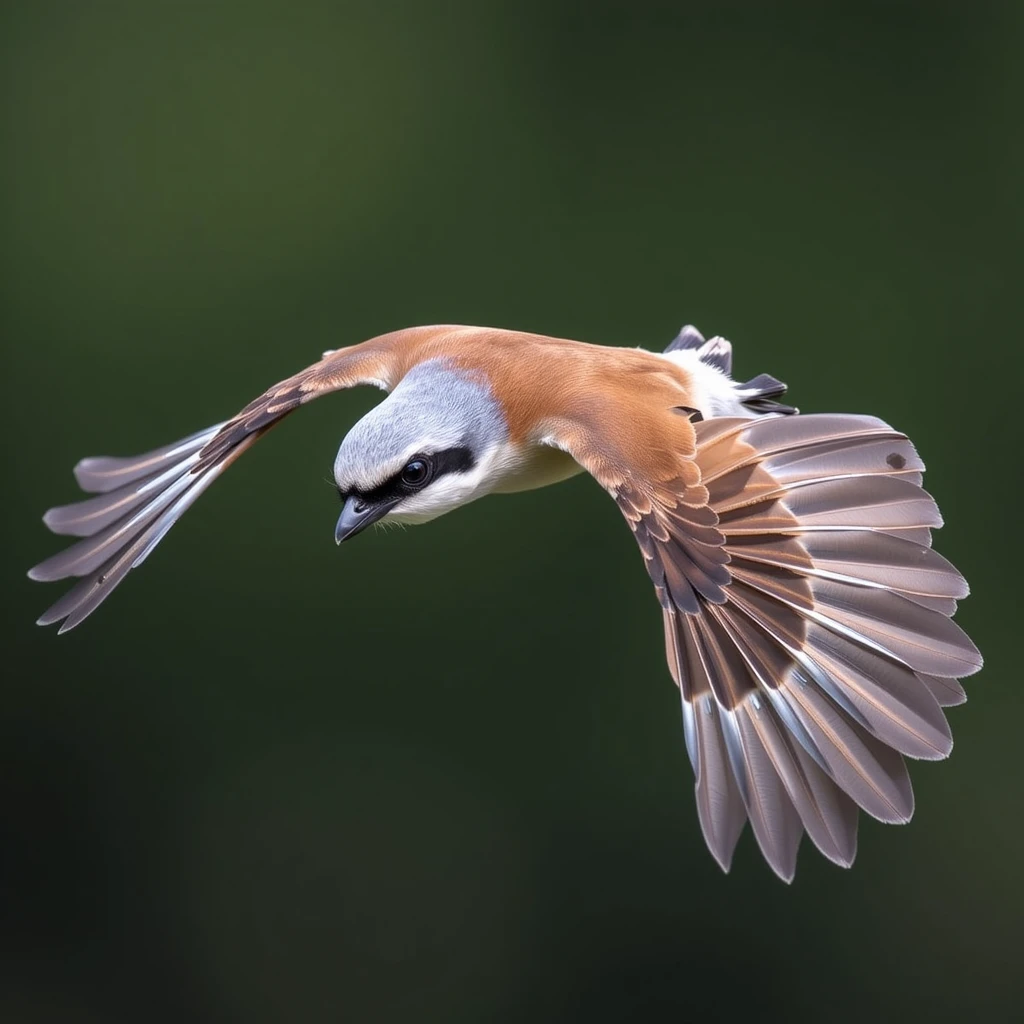
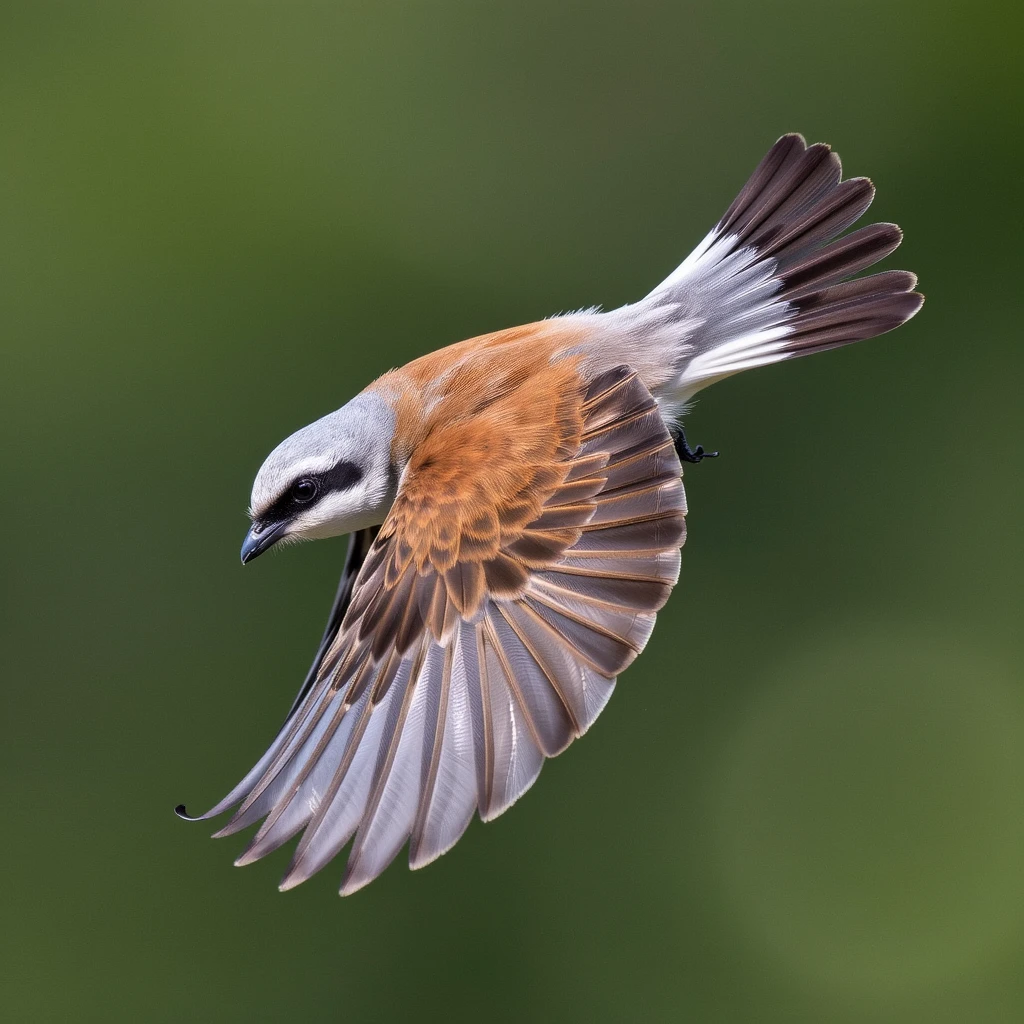
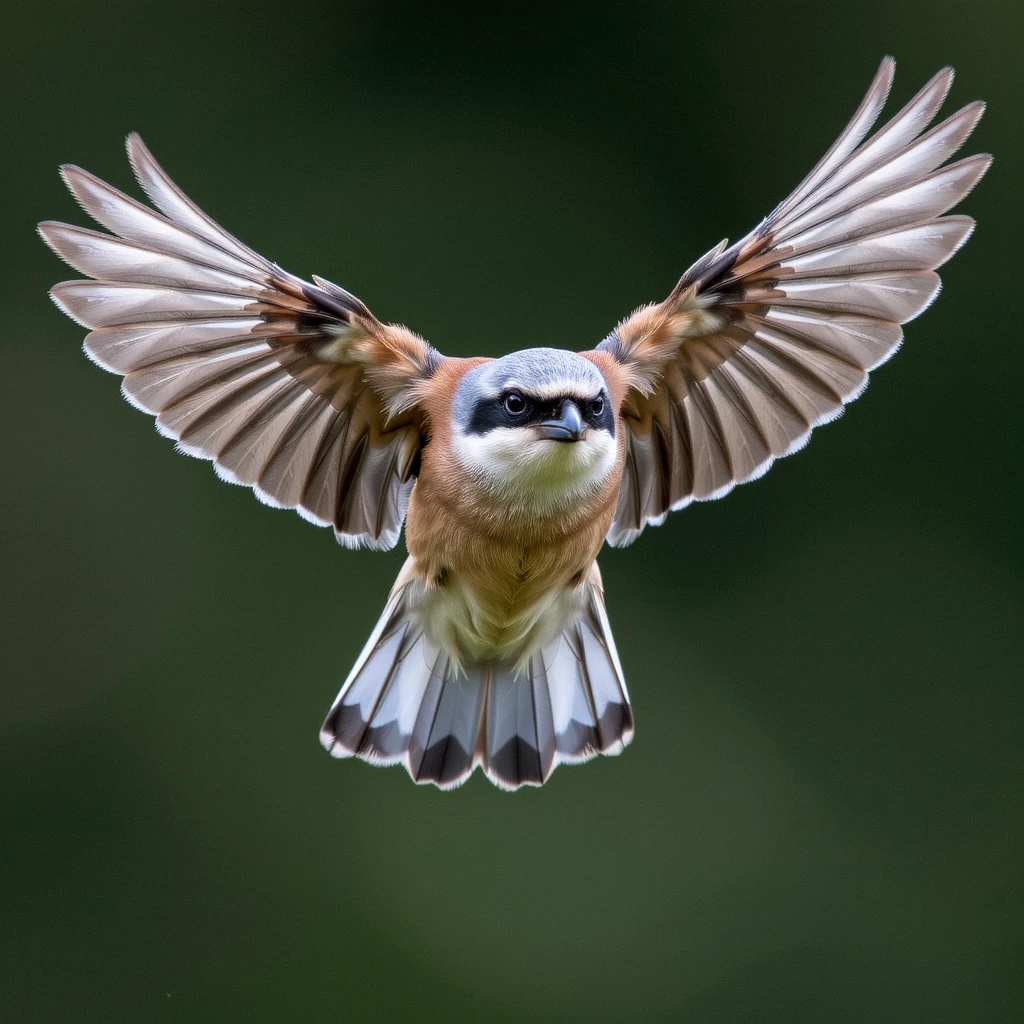
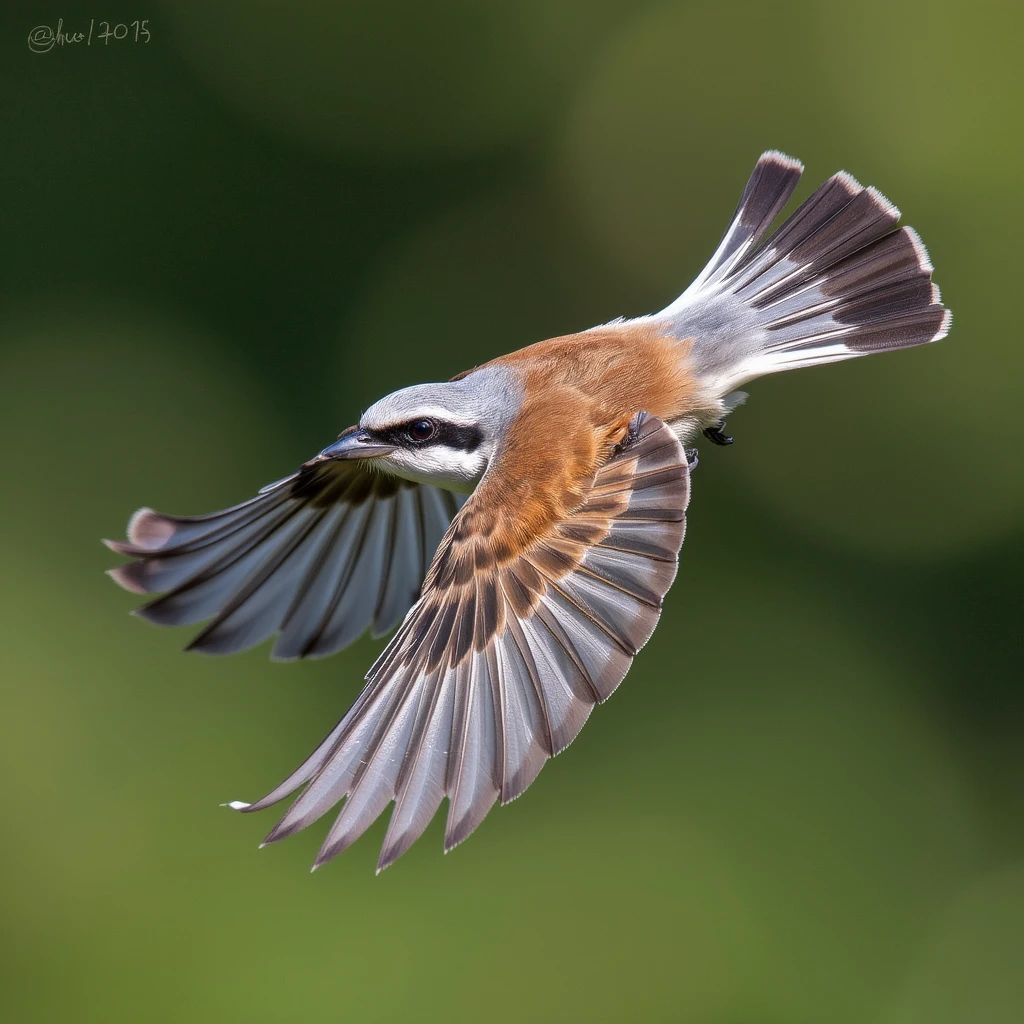
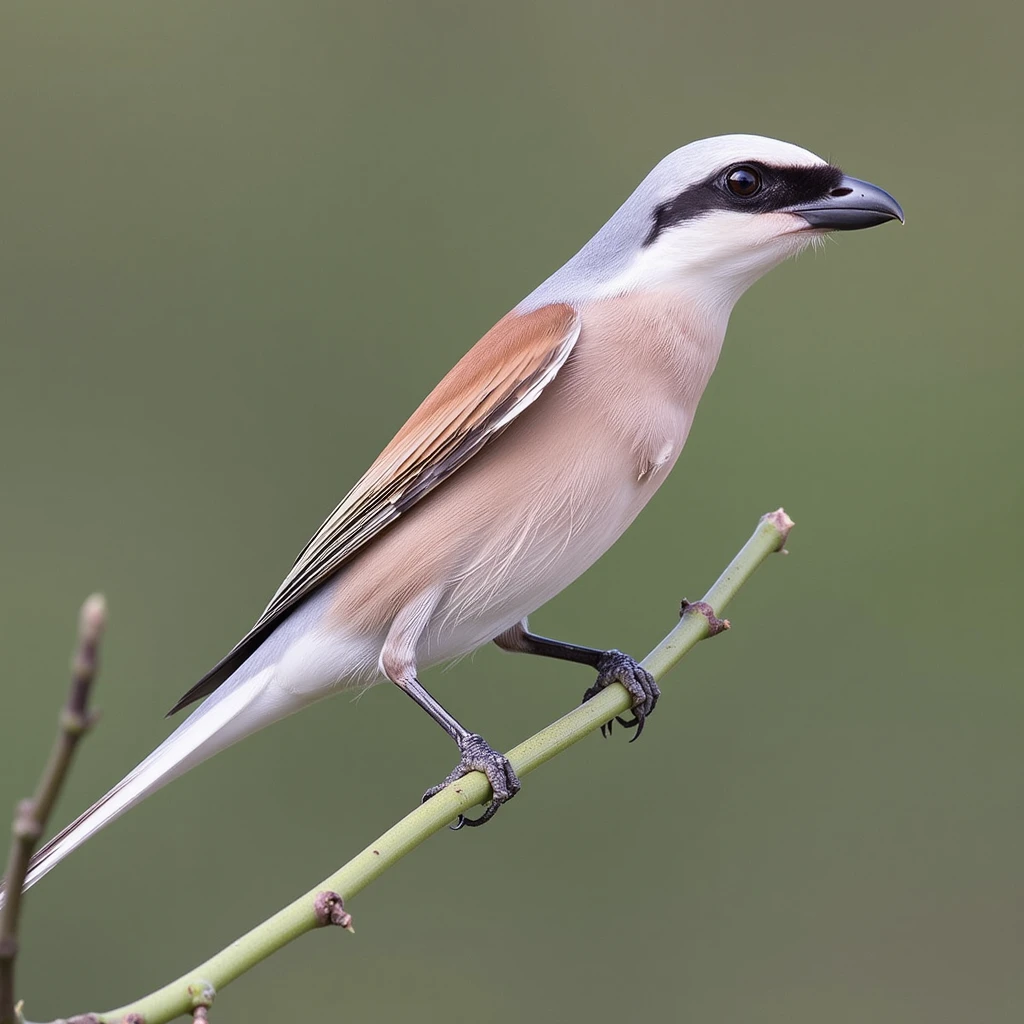
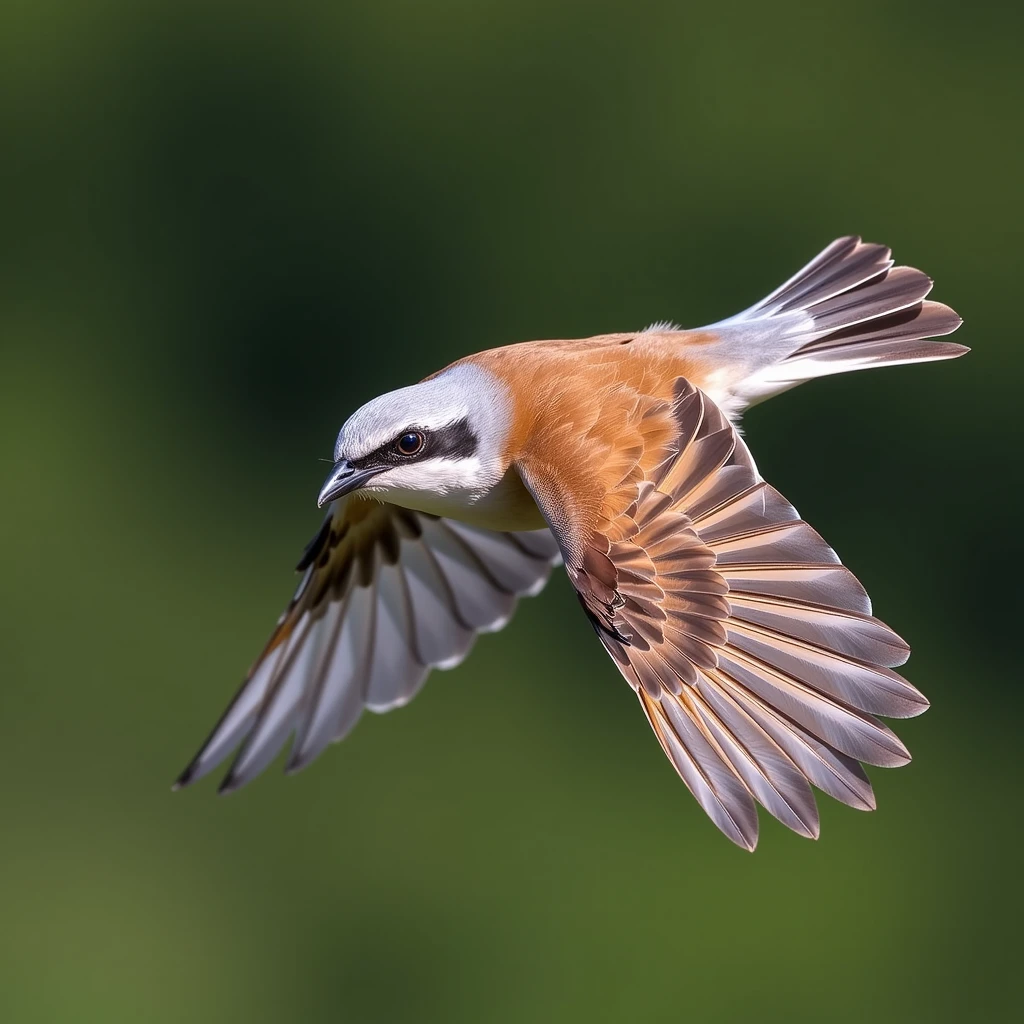
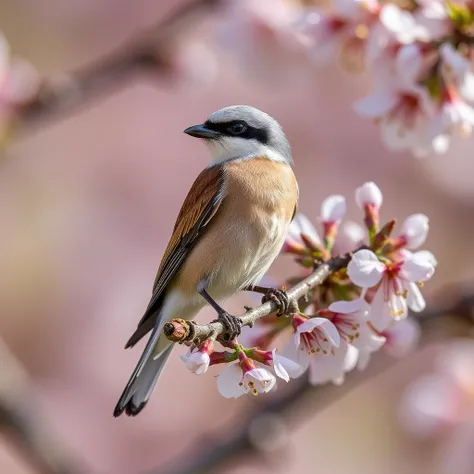
The Red-backed Shrike (Lanius collurio) is a fascinating migratory bird known for its distinctive appearance and unique predatory behavior. Here is some information about the bird:
Appearance:
Male: Males are easily identifiable with a bluish-grey head, a striking black mask across the eyes, and a bright chestnut-brown back. Their underparts are a pale, pinkish color.
Female: Females are generally duller in color, with a brownish back and wings. They lack the male's prominent black mask and have a barred or streaked pattern on their underparts.
Size: They are slightly larger than a House Sparrow, with a length of about 17 cm and a wingspan of 24-27 cm.
Habitat and Distribution:
Breeding: The Red-backed Shrike's breeding range extends across much of Europe and western Asia. They prefer open areas with scattered bushes, hedges, and low trees, such as farmland and woodland edges.
Migration: They are migratory birds, traveling long distances to spend the winter in the eastern and southern areas of tropical Africa.
Diet and Hunting:
Carnivorous: The Red-backed Shrike is a carnivorous passerine bird. Its diet mainly consists of large insects like beetles and grasshoppers, but it also preys on small vertebrates, including lizards, small birds, and rodents.
"Butcher Bird" Behavior: This bird is famous for its practice of impaling its prey on thorns or barbed wire. This behavior is used to store food for later, earning it the nickname "butcher bird."
Breeding and Lifespan:
Nesting: They build cup-shaped nests in dense, thorny bushes. The nest is typically made of grass, roots, and moss.
Eggs: The female lays 3-7 eggs, which are incubated primarily by her for about 14 days.
Lifespan: The average lifespan of a Red-backed Shrike is 3-5 years, although some have been recorded to live longer.
Conservation Status:
Globally, the Red-backed Shrike is classified as a species of "Least Concern." However, populations have declined significantly in certain parts of its range, particularly in Western Europe, due to habitat loss and the intensification of agriculture.


1. Modèle partagé uniquement à l'apprentissage et au partage. Droits d'auteur et interprétation finale réservés à l'auteur original.
2. Auteur souhaitant revendiquer le modèle : Contactez officiellement SeaArt AI pour l'authentification. Nous protégeons les droits de chaque auteur. Cliquer pour revendiquer
