
Tipo
LORA
Data di pubblicazione
2025-09-15
Modello Base
Qwen-Image

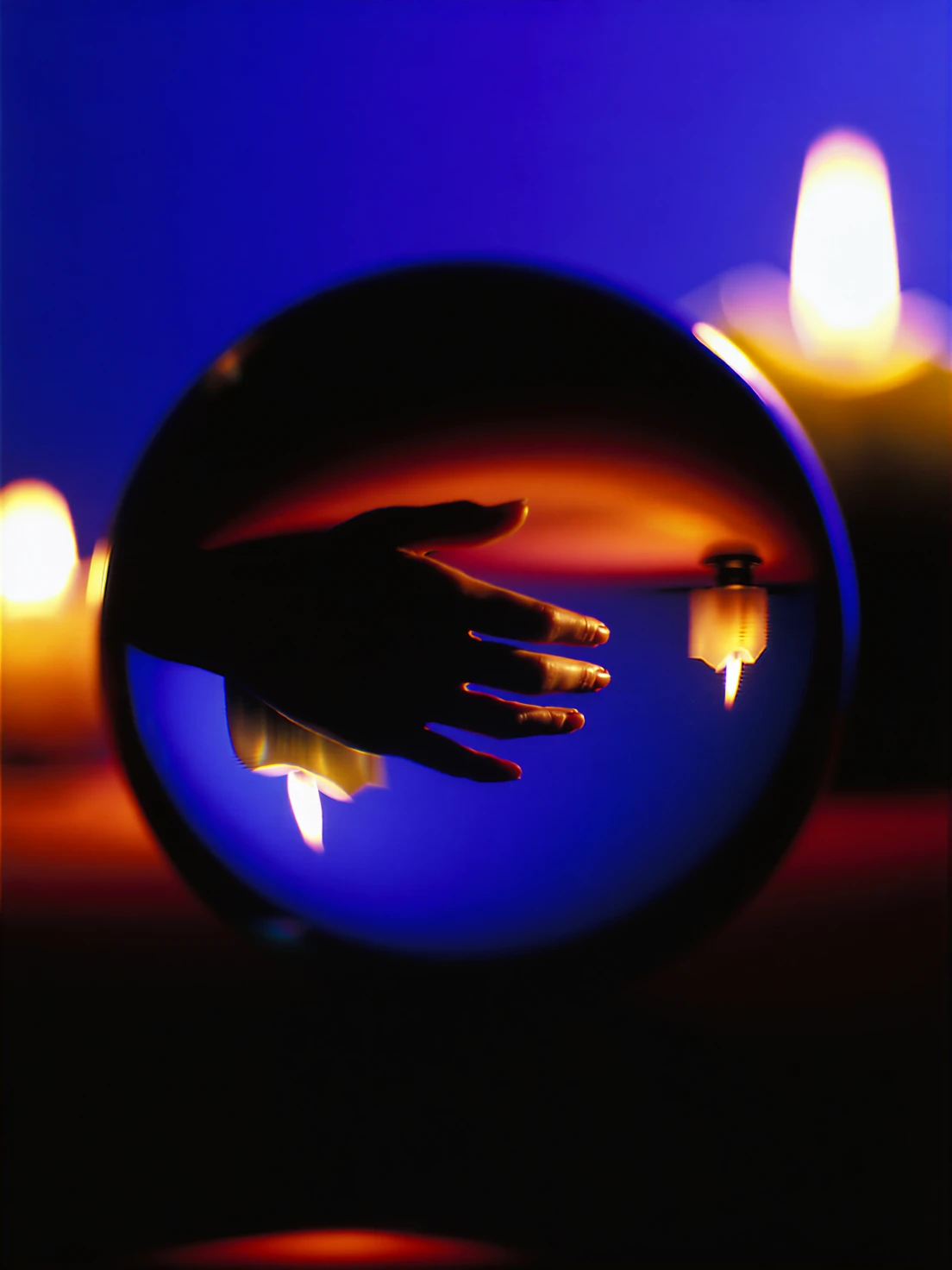
![[Qwen] Liquid Lemons | 90s - 2000s Stock Photography](https://image.cdn2.seaart.me/temp-convert-webp/highwebp/static/images/20250915/5b69052384308ed8054e473eff686400_low.webp)
This is a Qwen-Image style lora trained on mid to late 90s and 2000s stock photography, the kind that would come on CDs and you would see in advertisements of the time and such. No trigger word is required but photography keywords (ex: "a photograph of... ...shallow depth of field, natural lighting...") can help the style come through. I trained this model on all real (no synthetic) data, and no human subjects were included to attempt to maximize compatibility with character/other loras. The effect is quite strong, so if you are using character loras it would be best to reduce the strength below 1.00 (around .40 to .50 is good). Please let me know what you think if you use it. :)
Strength ... 0.40 - 1.20
Steps ... 20 - 50 (or above)
CFG ... 3.0 - 5.0
Sampler/Scheduler ... any but res_2s/bong_tangent (RES4LYF) is good.
This model and Qwen in general does best with detailed captions and high resolutions with a high step count (lower if you're using res_2s). Check the showcase for examples + ComfyUI workflow. Qwen seems to be very dependent on prompts overall, keywords, and keyword order within the prompt. If the style isn't coming through straight away, try shuffling your prompt around to weaken or eliminate keywords that might be pushing Qwen back to it's default style or raising the strength.
Custom nodes I used in the workflow are:
Rgthree (https://github.com/rgthree/rgthree-comfy)
Optional: Post-processing nodes (https://github.com/EllangoK/ComfyUI-post-processing-nodes)
Because I hate gatekeeping, in the spirit of open source goodness, here's what I used ~
Tool ... Diffusion-pipe
LR ... 0.0003
Dim or "Rank" ... 8
Steps ... 2640
Epochs ... 80
Scheduler ... AdamW8Bit
134 total images, 1 repeats
Resolution trained ... 1024

1. I diritti dei modelli ripubblicati appartengono ai creatori originali.
2. I creatori originali che desiderano reclamare il proprio modello devono contattare il personale di SeaArt AI tramite canali ufficiali. Clicca per rivendicare
