유형
LORA
게시 날짜
2023-09-03
기본 모델
SDXL 1.0
트리거 단어
Ukiyo-e Art
복사

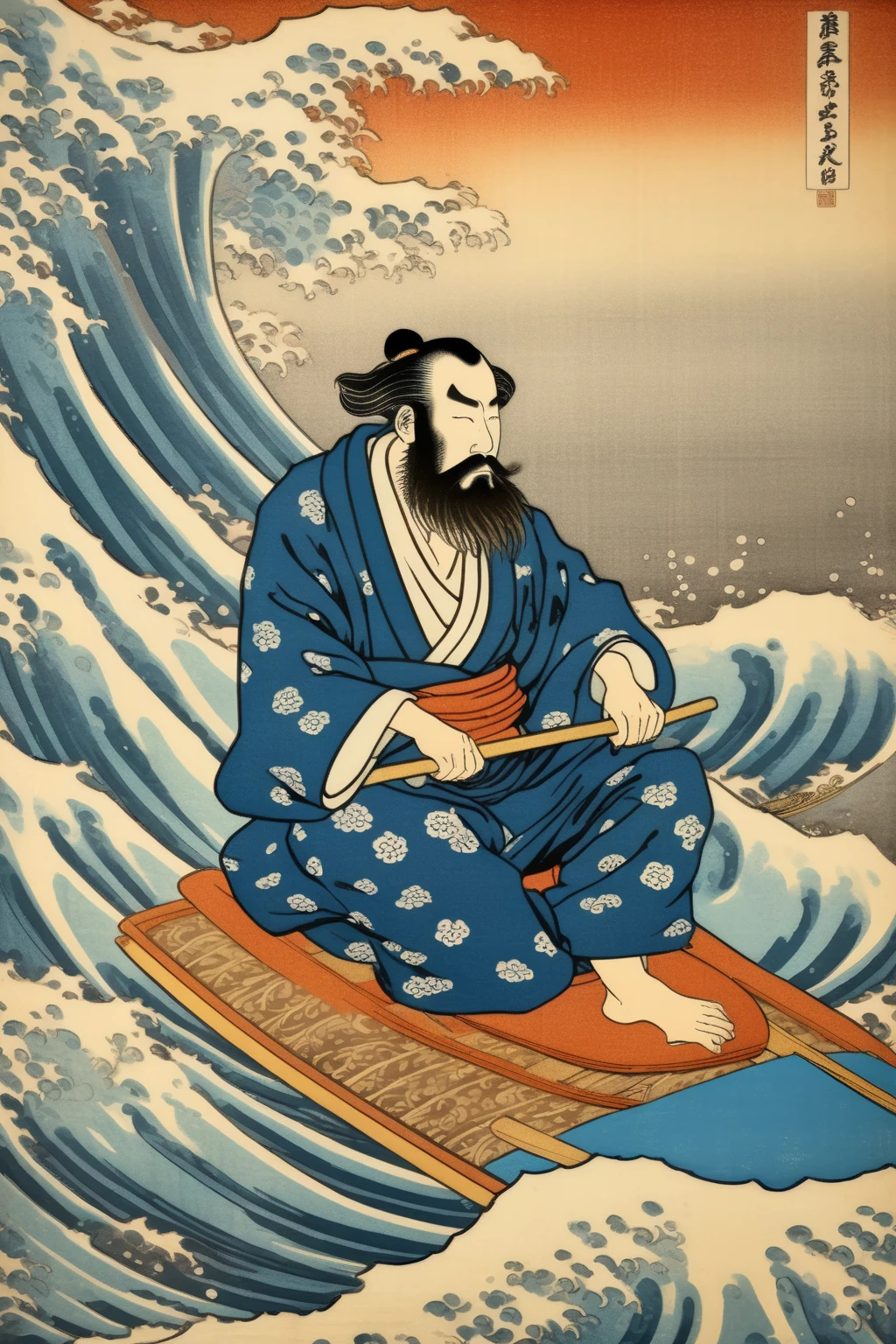
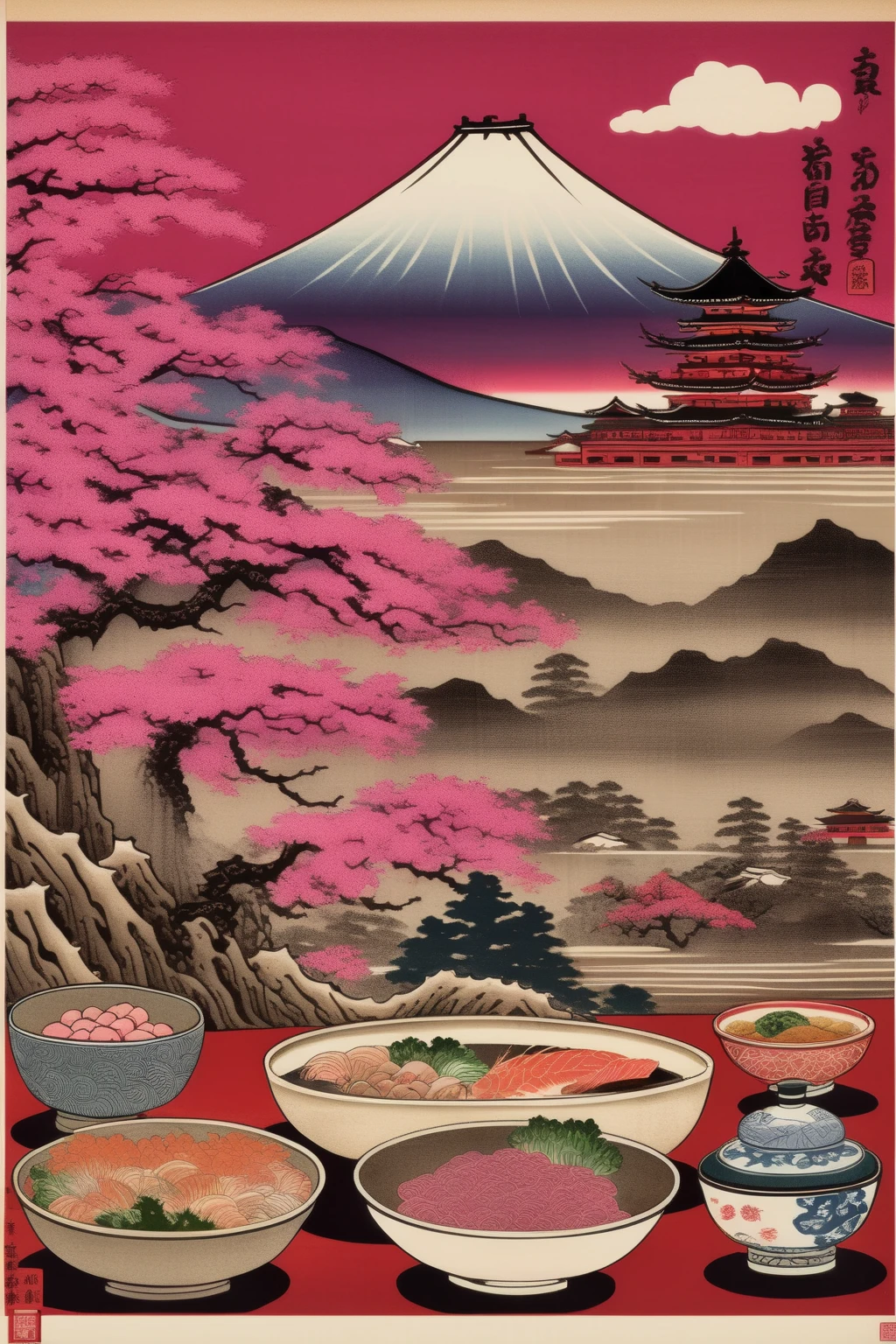
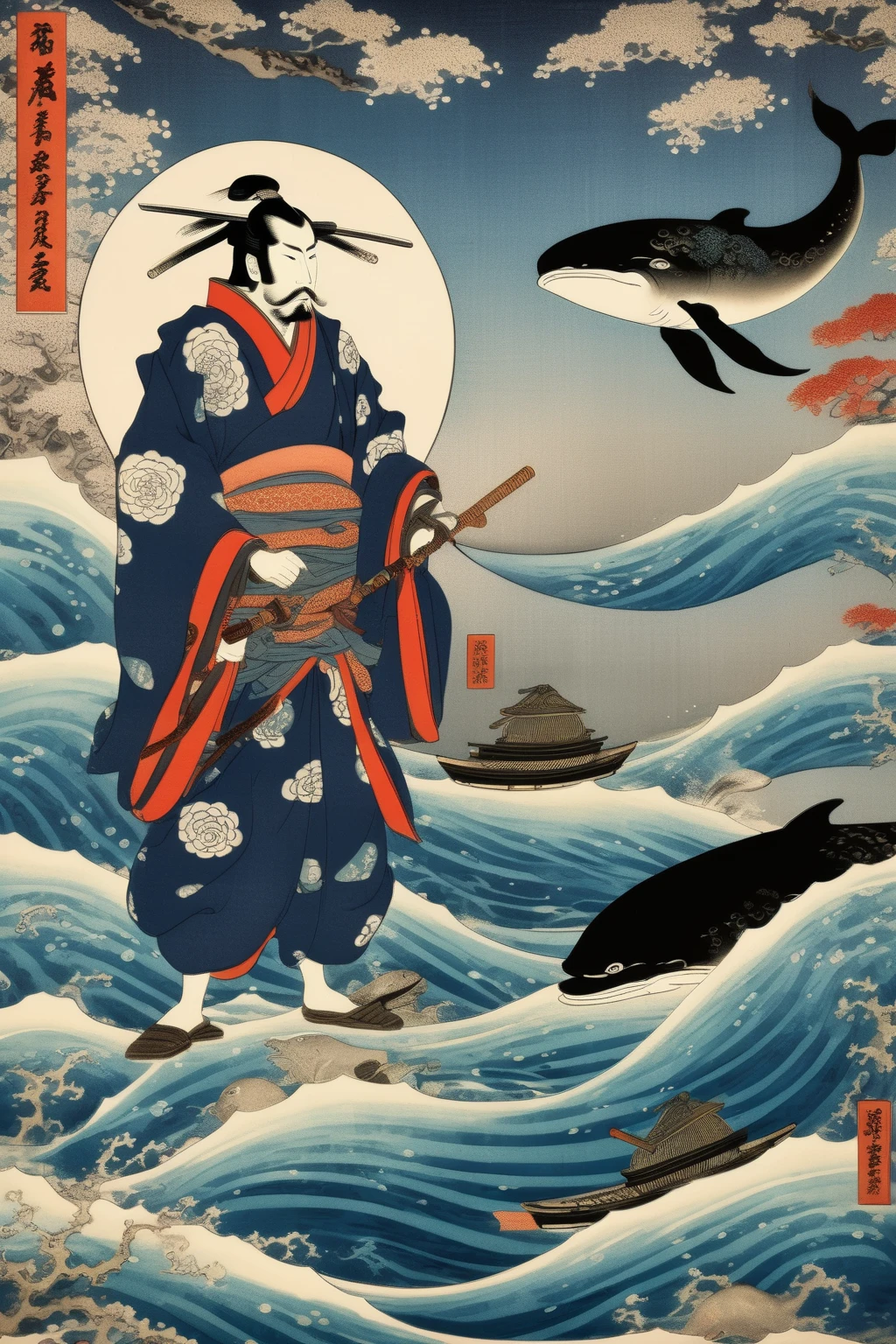
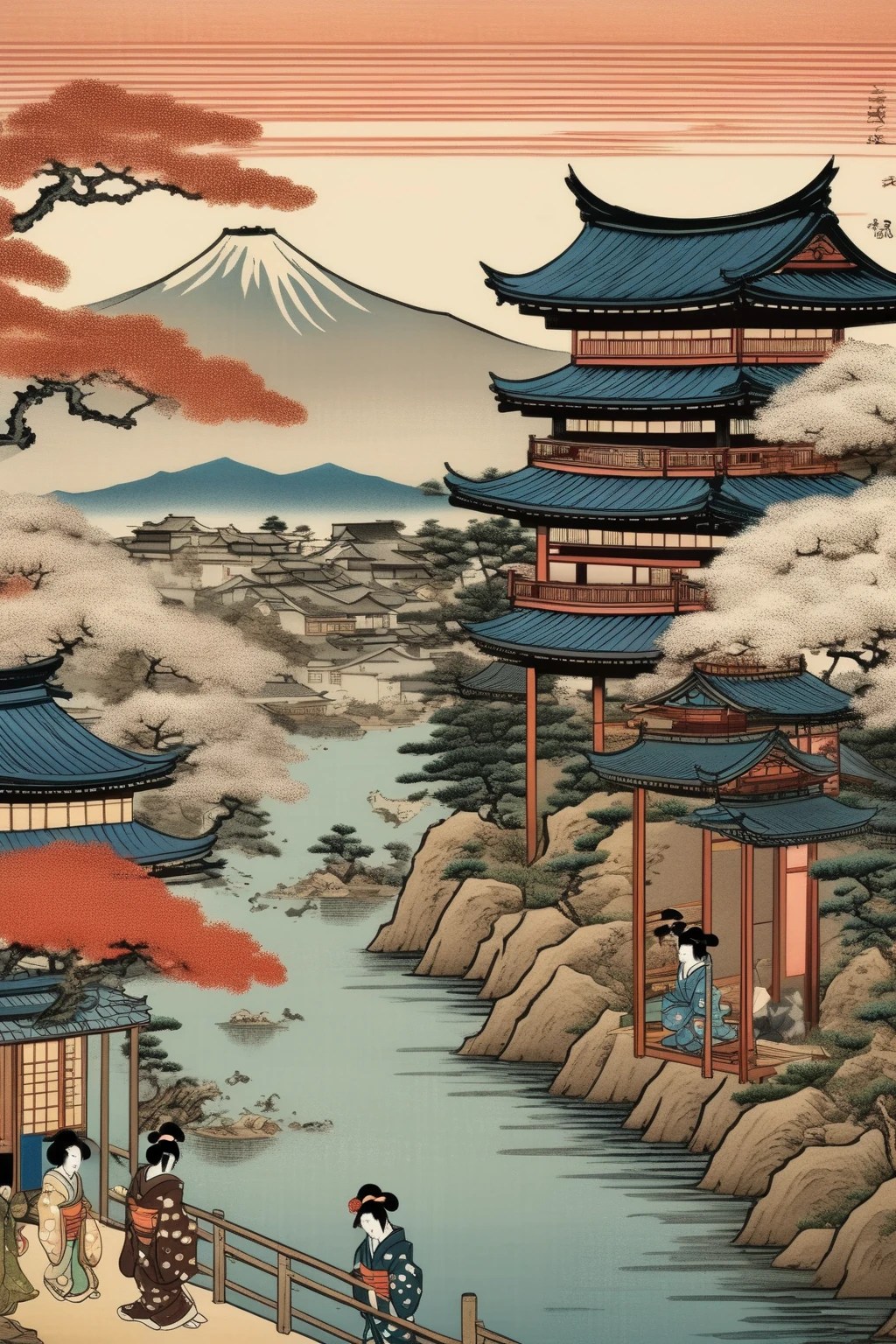
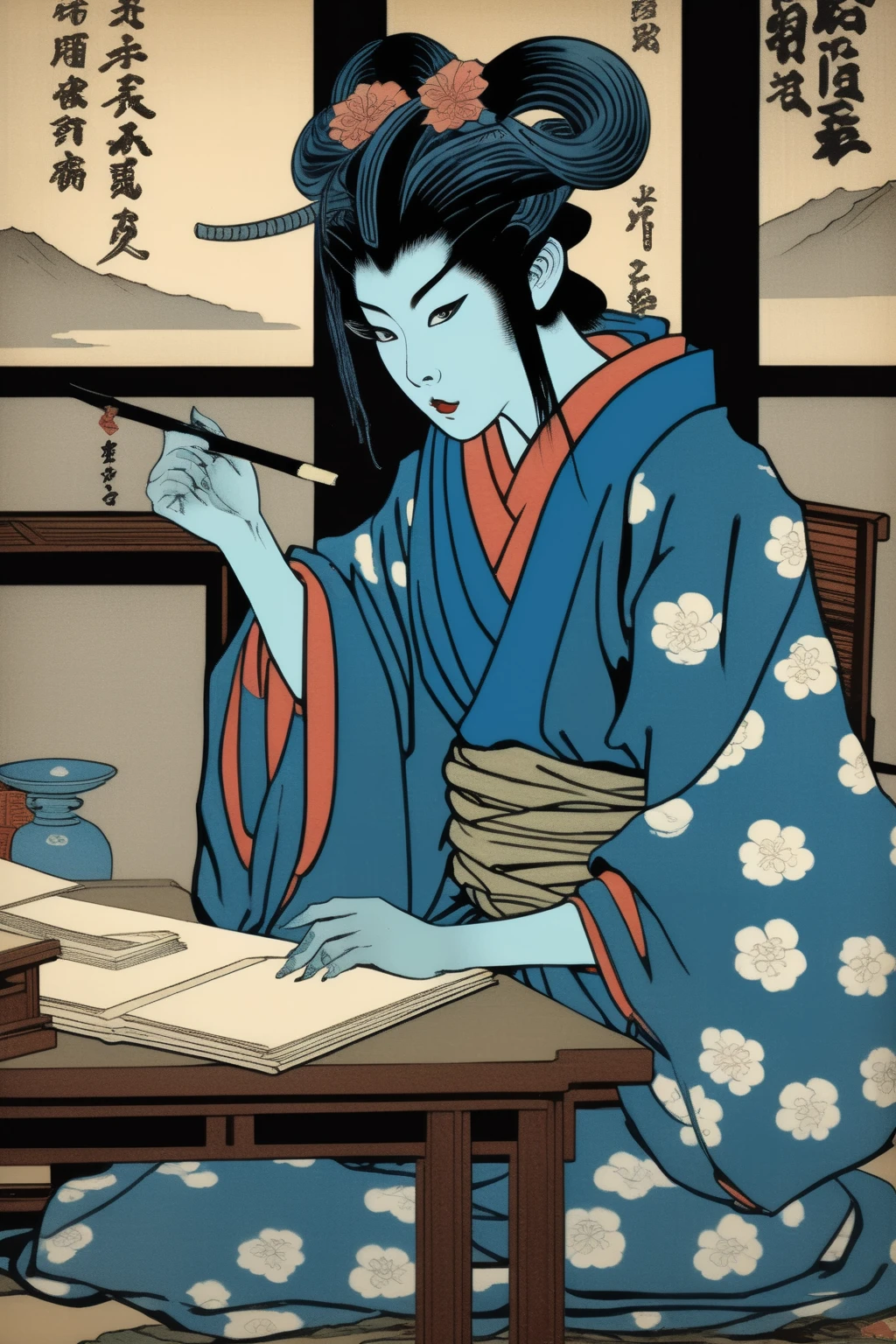
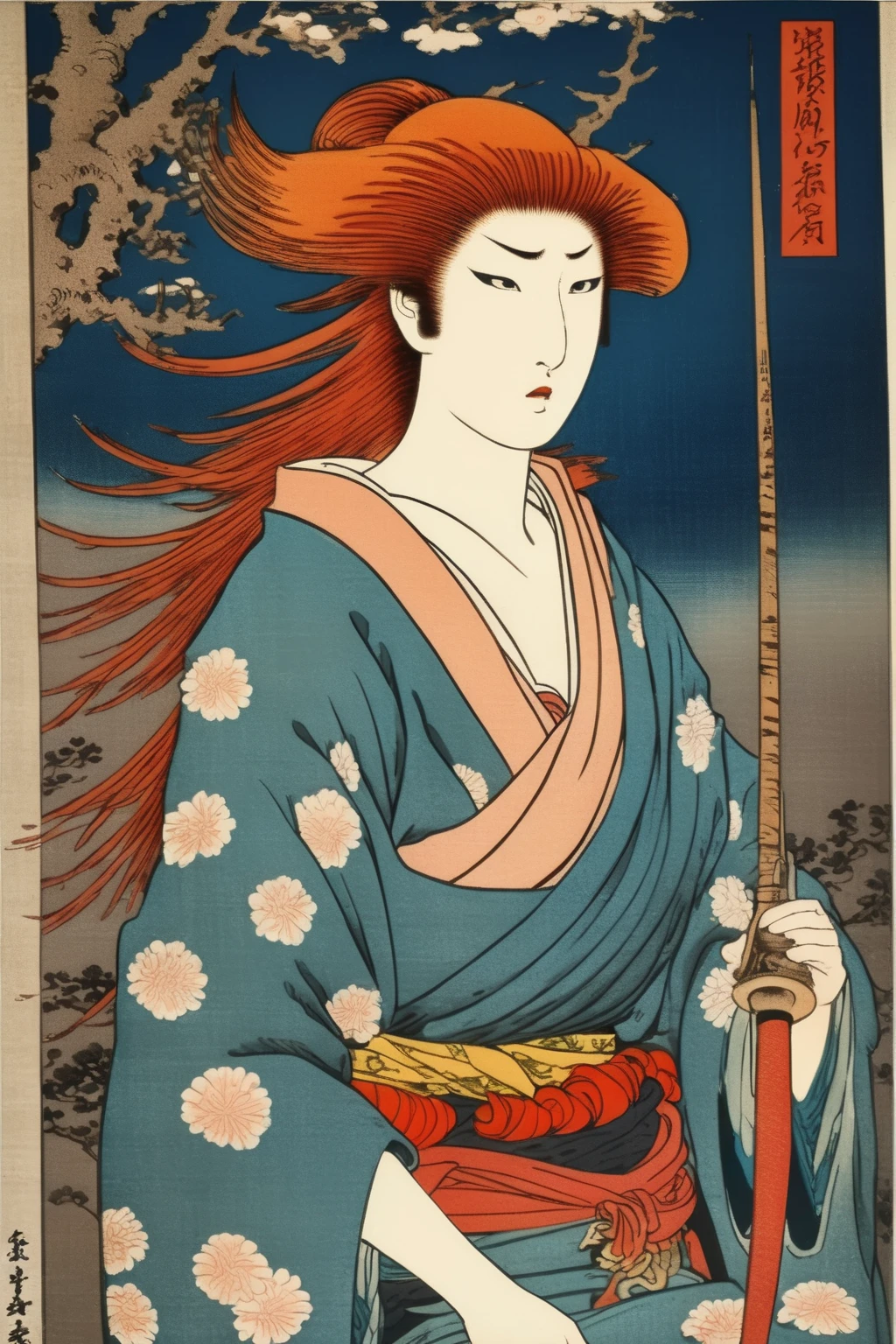
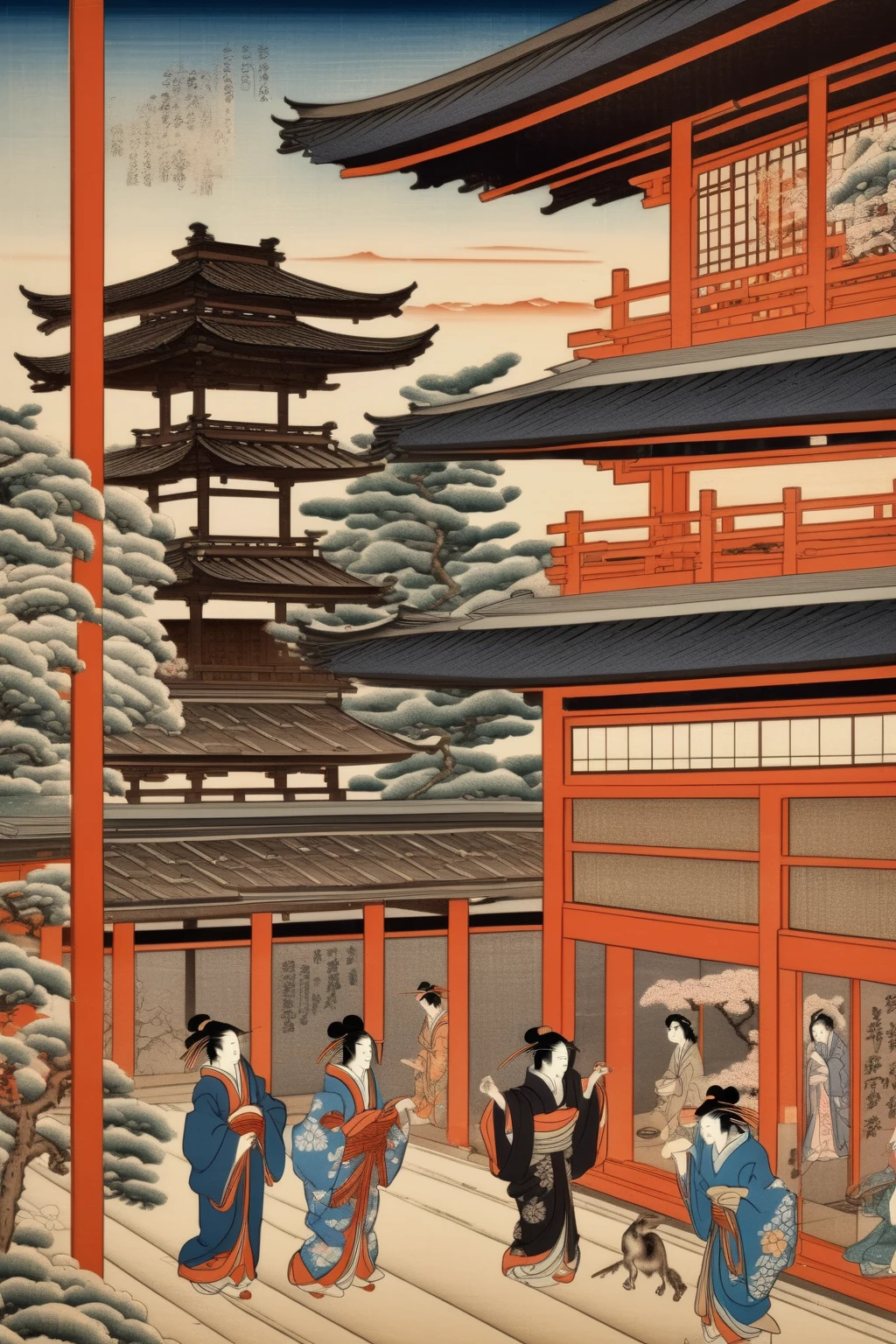
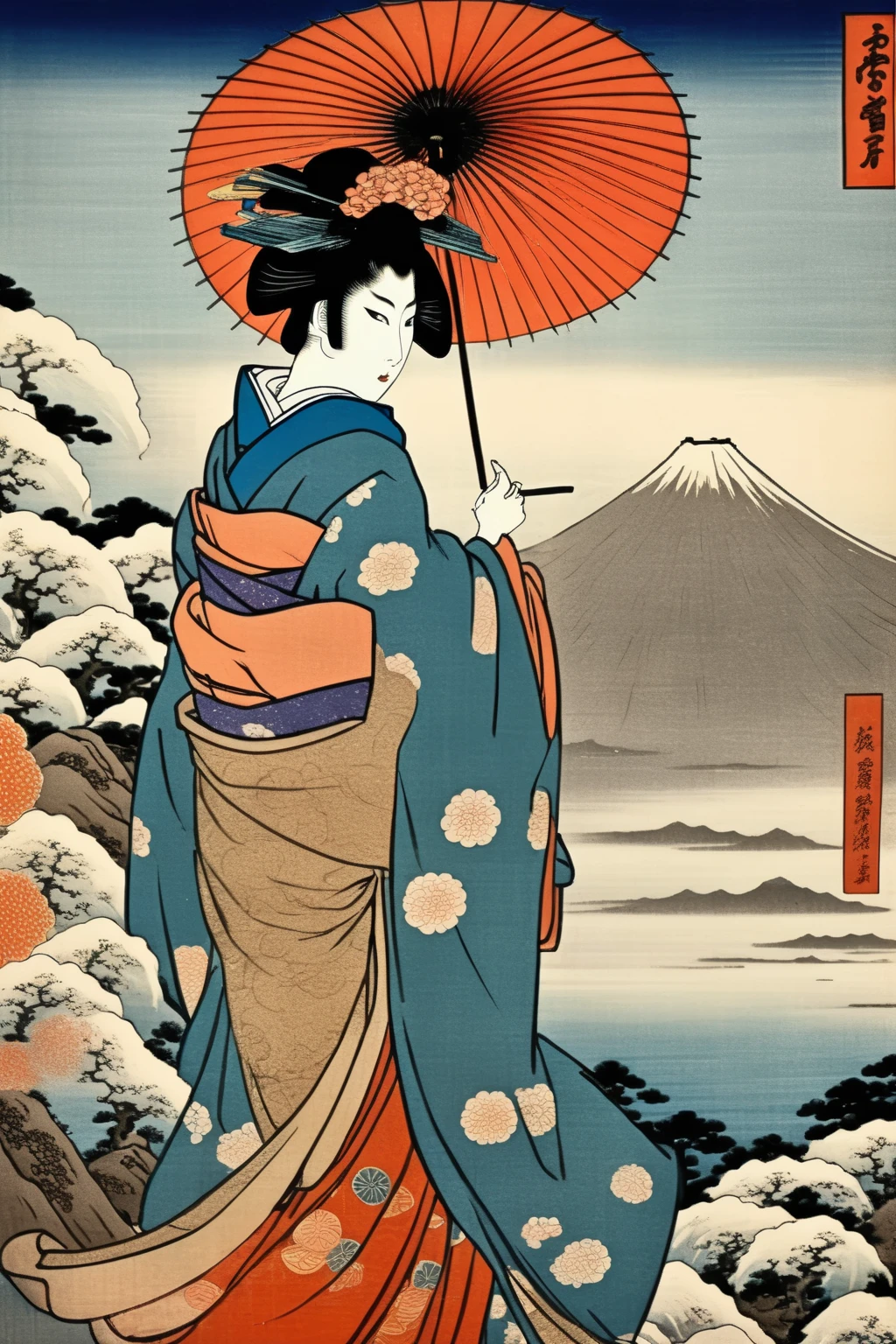
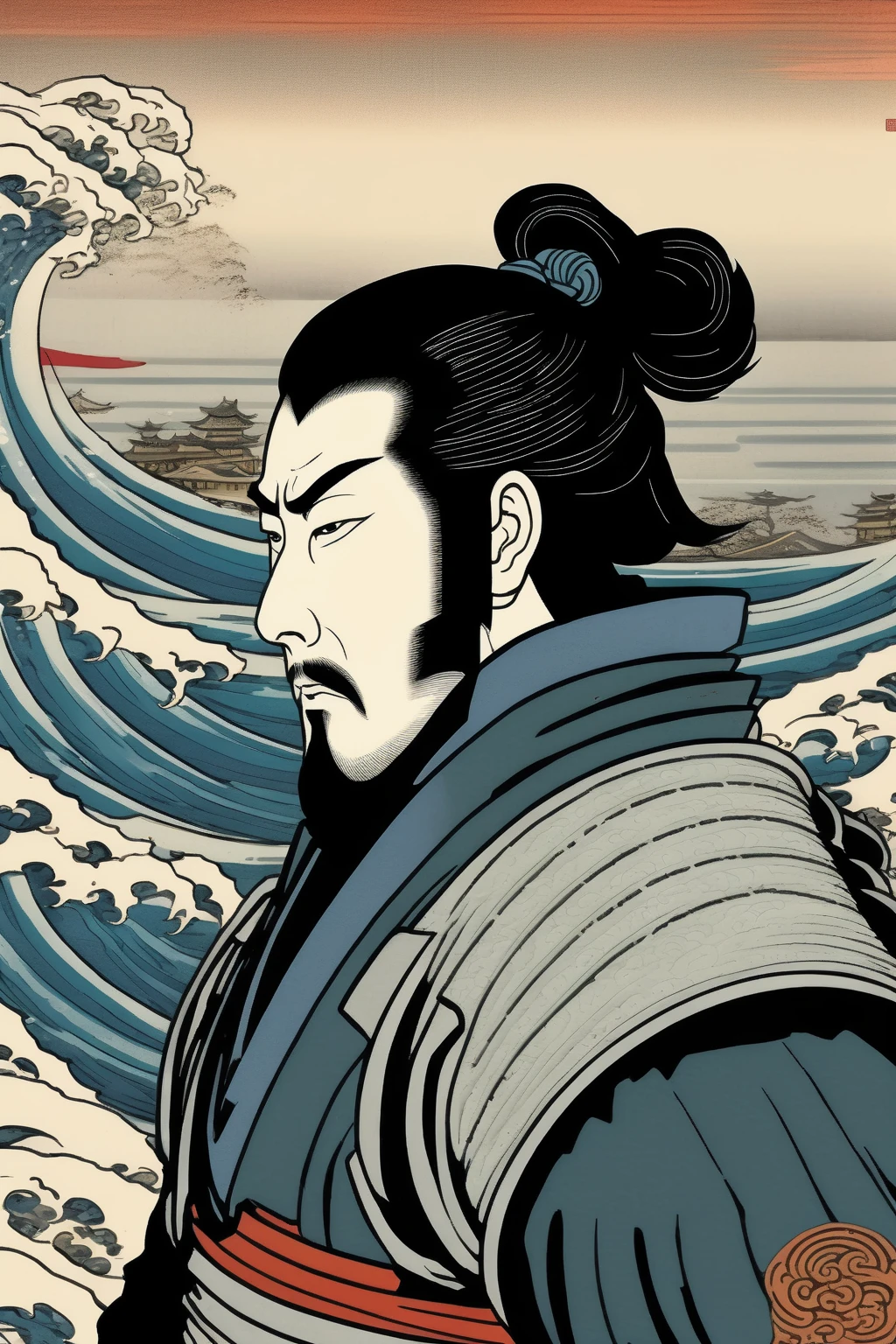
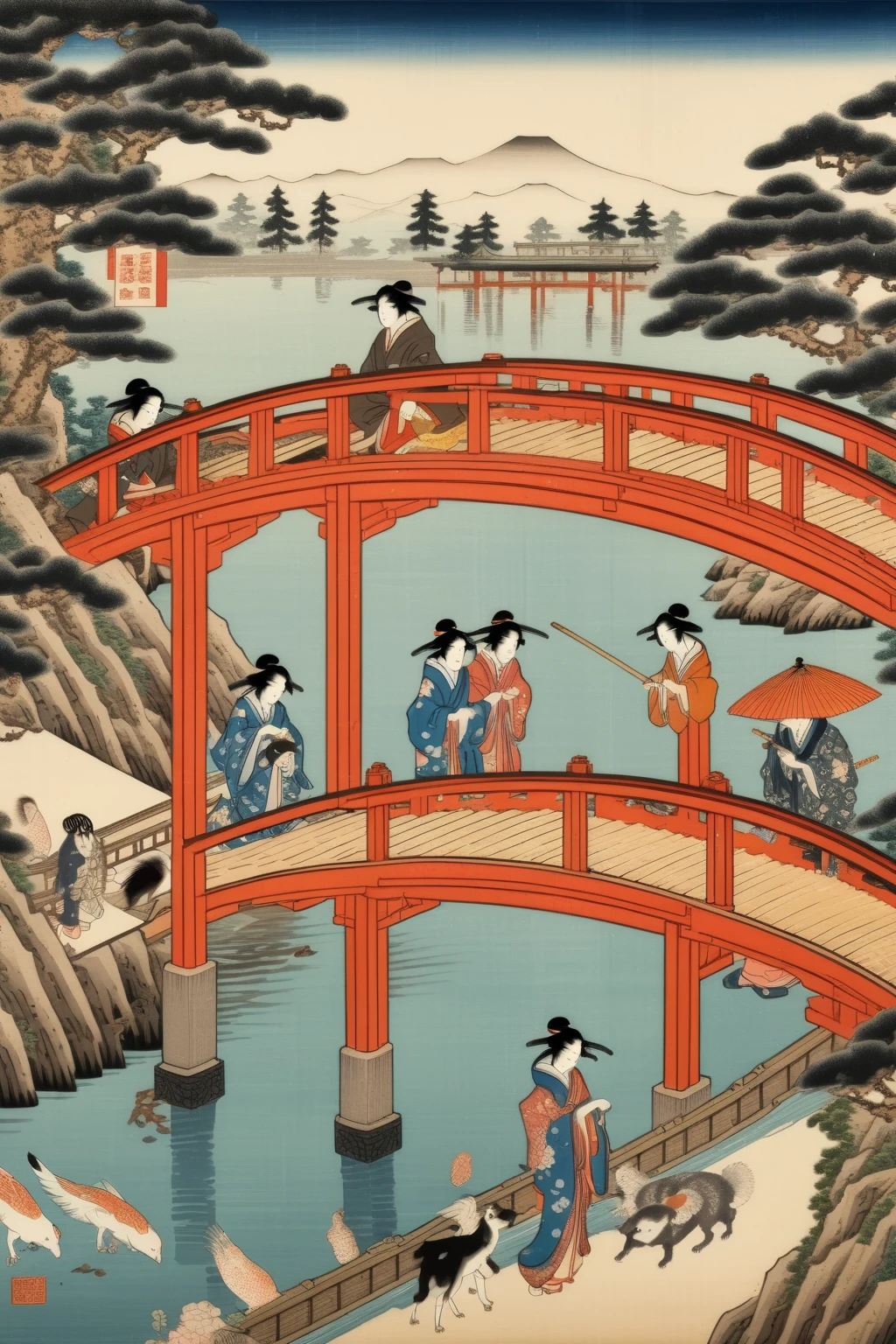
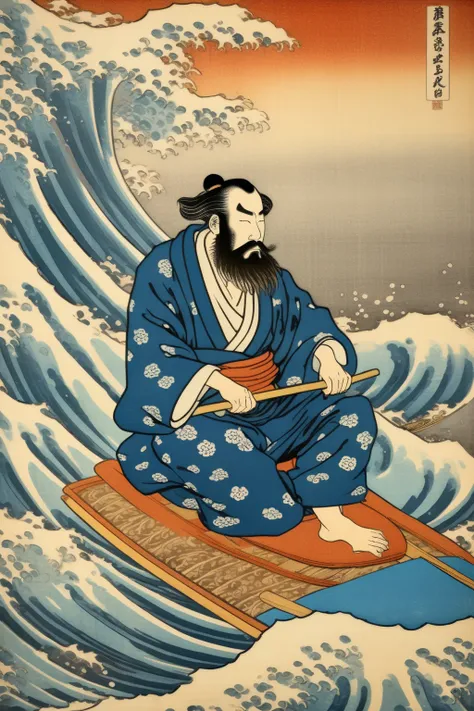
Ukiyo-e is a traditional Japanese art form that emerged during the Edo period (17th to 19th centuries). The term "ukiyo-e" translates to "pictures of the floating world" and refers to a genre of woodblock prints and paintings that depicted scenes from the everyday lives of common people, landscapes, historical events, and kabuki theater.
Ukiyo-e artists were skilled in the techniques of woodblock printing, which involved carving intricate designs on wooden blocks and using them to create multiple color impressions on paper. The prints were often mass-produced, making them affordable and accessible to a wide audience.
The subjects of ukiyo-e prints varied widely, but they commonly featured elegant courtesans, actors, landscapes, and scenes from daily life in Edo (now Tokyo). The prints captured fleeting moments and celebrated the transient nature of life, embodying the philosophy of "ukiyo" or the transient world.
Prominent ukiyo-e artists include Kitagawa Utamaro, Katsushika Hokusai, and Utagawa Hiroshige, whose works have become iconic representations of Japanese art. These artists displayed mastery in composition, color, and capturing intricate details, creating images that are both visually stunning and culturally significant.
Ukiyo-e art played a crucial role in shaping Western art movements such as Impressionism and Post-Impressionism, influencing artists like Vincent van Gogh and Claude Monet. Today, ukiyo-e prints are highly sought after by collectors and continue to be admired for their beauty, craftsmanship, and their ability to provide insights into Japan's rich cultural heritage.
1. 재게시된 모델의 권리는 원 제작자에게 있습니다.
2. 모델 원작자가 모델을 인증받으려면 공식 채널을 통해 SeaArt.AI 직원에게 문의하세요. 저희는 모든 창작자의 권리를 보호하기 위해 노력합니다. 인증하러 이동
