
상세 정보
추천
v1.2 Baroque cartography
Cityscapes: Maps and Sketches
원작

Cityscapes: Maps and Sketches

142
10
0
#sketches
#baroque
#롤플레잉
#maps
#urban planning
#FLUX
#Vintage
#Cityscape
#Style

I love old maps. Maybe it's the artistic qualities, maybe it's the history, or maybe it's just because I spent a good amount of my childhood playing Dungeons and Dragons—but old and highly detailed maps fascinated me. So, I decided to bring some of that nostalgia to Flux with Cityscapes: Maps and Sketches. Rather than versions representing successive quality upgrades, I’ll explore a new era, medium, or style of map or urban cityscape art, training a LoRA on as many authentic examples as possible.

Baroque Cartography style (v1.2)

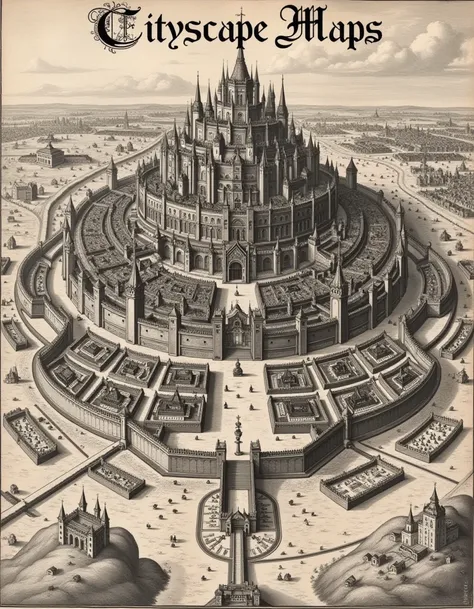
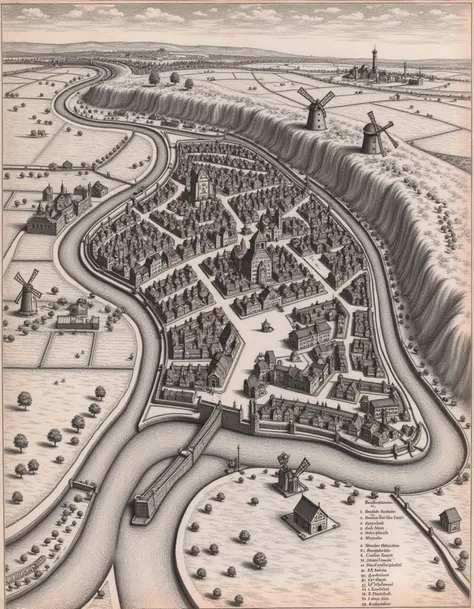
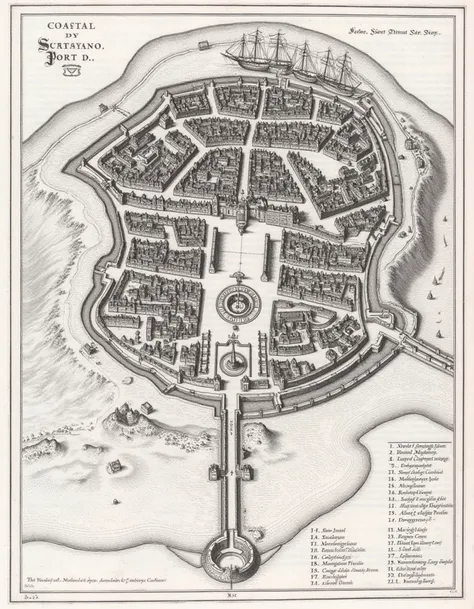
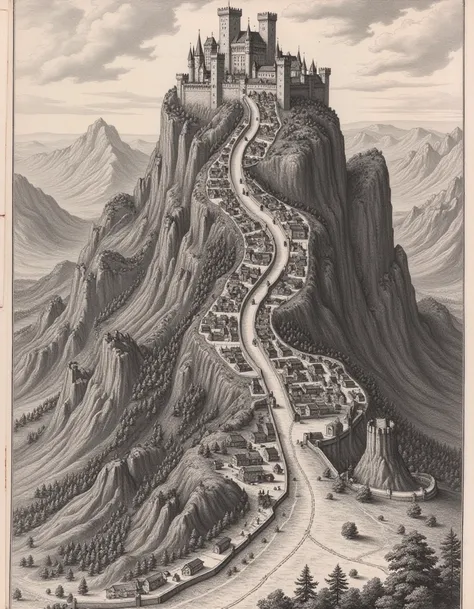
The version of Cityscapes celebrates the baroque cartography style common in the 16th and 17th centuries. These maps were as much a work of art as they were tools. The Baroque cartography cityscape style is trained on original works by the Swiss engraver Matthäus Merian the Elder. The images are from the 1600s and included in the Topographia Bavariae, Topographia Provinciarum Austriacarum, or Topographia Germaniae. Therefore, details on generated maps will reflect urban planning and design elements common in 17th-century European cities in Germany and Austria. Cities often include walls with distinct angular bastions, fortified gates, radial layouts, and defensive citadels. Most cities were surrounded by farmland, close to rivers and other waterways, and included large areas dedicated to market squares, churches, cathedrals, and administrative buildings. These elements will be more common when using this style and will be common elements used by the model if you do not give it more specific prompting.

Usage

To use the 1.2 version of the LoRA, use the following settings:

  • Trigger word: a dictymp map... and then describe the city.

  • After the trigger phrase, the model should expect the city's name, followed by its layout and features, surrounding areas, and map elements. For example: "The city of Munich. The city features narrow winding streets, a central marketplace, prominent landmarks like cathedrals, and fortified walls with gates and towers. The city is surrounded by rivers, farmland, and nearby villages. The map features a detailed legend, a coat of arms, and a compass rose."

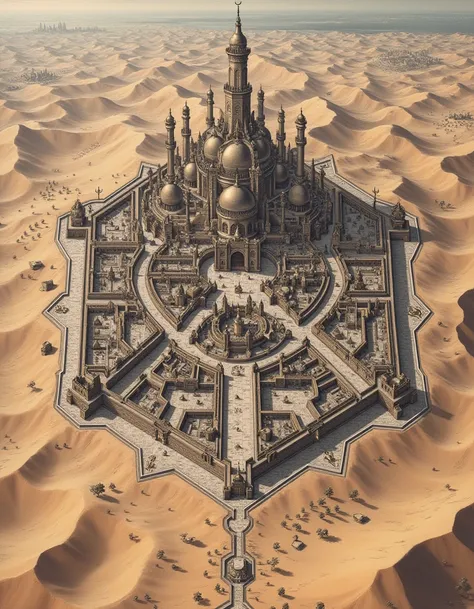
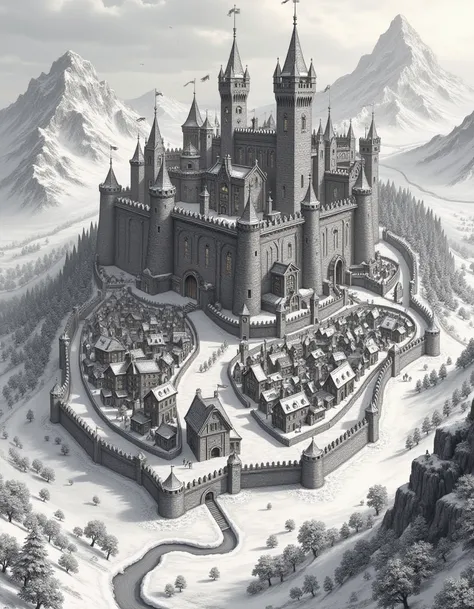
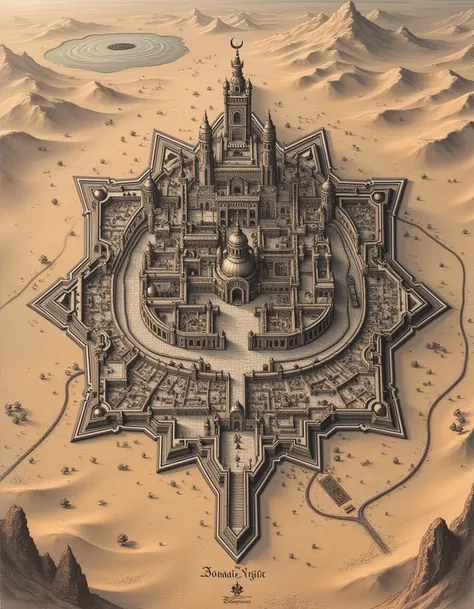
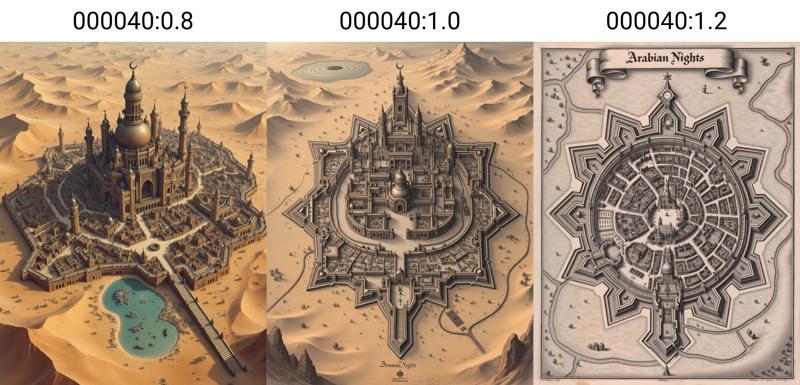
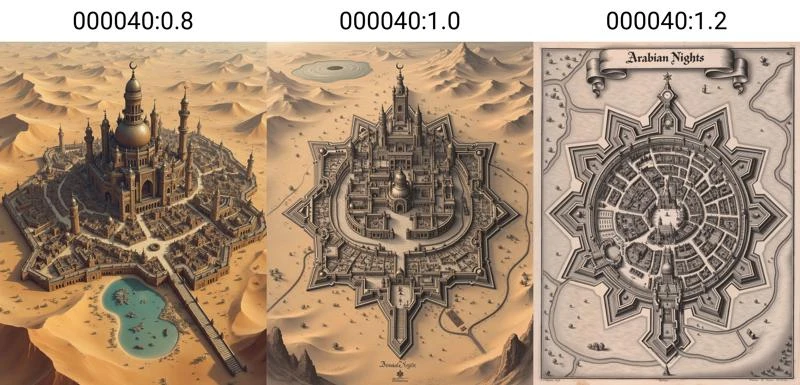
  • Lora Strength: Using the LoRA at full strength (1.0) will give you a high-oblique cityscape or a bird's-eye top-down map. A Higher strength (1.2) will create more monochrome 2D city planning engraving maps, while a lower strength (0.8) will produce more 3D isometric sketched maps with color. An example is included below.
번역문 보기

평점 및 리뷰

-- /5
0 개의 평점

충분한 평가나 댓글을 받지 못했습니다.

avatar
공고
2025-01-08
모델 게시
2025-03-26
모델 정보 업데이트
모델 상세정보
유형
LORA
게시 날짜
2025-01-08
기본 모델
Flux.1 D
트리거 단어
a dictymp map
복사
버전 소개

I love old maps. Maybe it's the artistic qualities, maybe it's the history, or maybe it's just because I spent a good amount of my childhood playing Dungeons and Dragons—but old and highly detailed maps fascinated me. So, I decided to bring some of that nostalgia to Flux with Cityscapes: Maps and Sketches. Rather than versions representing successive quality upgrades, I’ll explore a new era, medium, or style of map or urban cityscape art, training a LoRA on as many authentic examples as possible.

Baroque Cartography style (v1.2)

The version of Cityscapes celebrates the baroque cartography style common in the 16th and 17th centuries. These maps were as much a work of art as they were tools. The Baroque cartography cityscape style is trained on original works by the Swiss engraver Matthäus Merian the Elder. The images are from the 1600s and included in the Topographia Bavariae, Topographia Provinciarum Austriacarum, or Topographia Germaniae. Therefore, details on generated maps will reflect urban planning and design elements common in 17th-century European cities in Germany and Austria. Cities often include walls with distinct angular bastions, fortified gates, radial layouts, and defensive citadels. Most cities were surrounded by farmland, close to rivers and other waterways, and included large areas dedicated to market squares, churches, cathedrals, and administrative buildings. These elements will be more common when using this style and will be common elements used by the model if you do not give it more specific prompting.

Usage

To use the 1.2 version of the LoRA, use the following settings:

  • Trigger word: a dictymp map... and then describe the city.
  • After the trigger phrase, the model should expect the city's name, followed by its layout and features, surrounding areas, and map elements. For example: "The city of Munich. The city features narrow winding streets, a central marketplace, prominent landmarks like cathedrals, and fortified walls with gates and towers. The city is surrounded by rivers, farmland, and nearby villages. The map features a detailed legend, a coat of arms, and a compass rose."
  • Lora Strength: Using the LoRA at full strength (1.0) will give you a high-oblique cityscape or a bird's-eye top-down map. A Higher strength (1.2) will create more monochrome 2D city planning engraving maps, while a lower strength (0.8) will produce more 3D isometric sketched maps with color. An example is included below.

허가 범위
창작 허가 범위
온라인 생방송
혼합 진행
다운로드 허용
상업적 허가 범위
생성된 이미지를 판매하거나 상업적 목적으로 사용 가능
모델의 재판매 또는 융합 후 판매 허용
QR Code
SeaArt 앱 다운로드
모바일에서 AI 창작 여정을 계속하세요