

생성 시작
역사 기록
비공개 창작
상세 정보
43
133
2025-04-22 09:10:51 업데이트
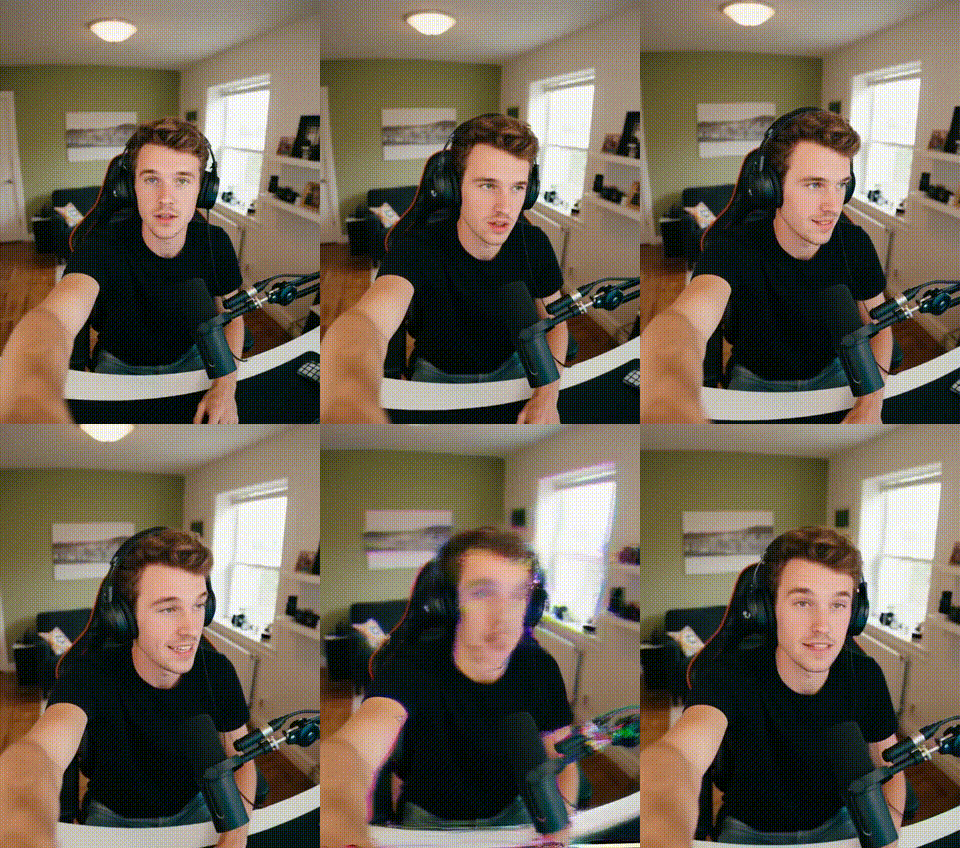
1. angle (in degrees)
This controls the direction of the motion blur.
Angle Effect Direction
0 Horizontal blur (left → right)
90 Vertical blur (top → bottom)
45 Diagonal blur (top-left → bottom-right)
135 Diagonal blur (top-right → bottom-left)
→ Think of this like a compass — the angle defines which way the blur is "moving."
2. blur (integer value)
This controls the intensity and length of the motion blur.
Value Result
5–10 Soft blur, subtle motion
15–30 Medium blur, noticeable streak effect
40+ Strong motion blur, used for speed effects or full background blur
✅ Recommended Settings (Use Cases)
Use Case Angle Blur
Background motion blur (horizontal) 0 20–40
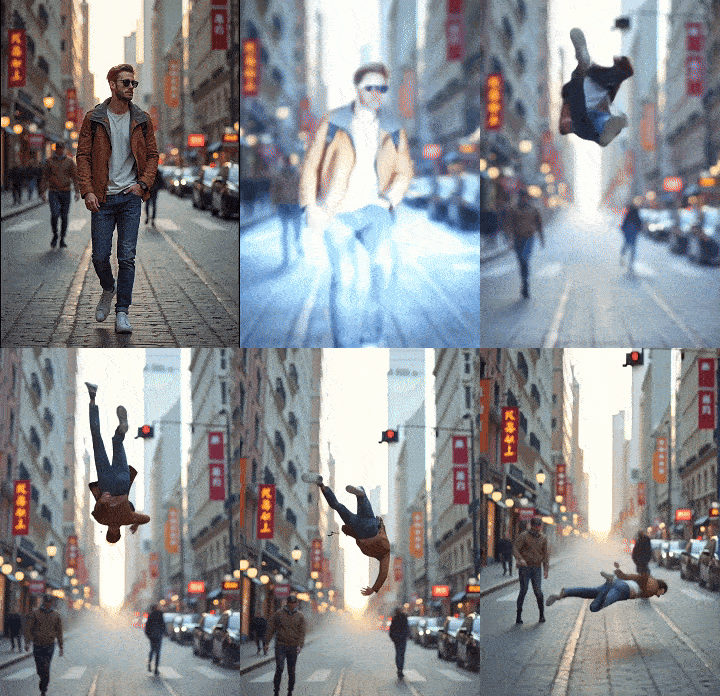
Portrait with falling blur (vertical) 90 15–30
Diagonal energy/movement effect 45 / 135 20–35
Faux radial (combined angles) use multiple layers with 0, 45, 90, etc. 10–20
💡 Pro Tip:
To simulate a radial blur effect, you can:
Duplicate the background multiple times
Apply MotionBlur with different angles (e.g., 0°, 45°, 90°, 135°)
Blend them together using Image Composite (with lower opacity per layer)
This creates a soft zoom-like blur pointing outward — great for dramatic focus effects!

데이터 없음