สร้างเวิร์กโฟลว์
สร้างบน SeaArt ComfyUI
creation

คุณอาจชอบ

เวิร์กโฟลว์แนะนำ

LTX2.3-Audio-video generation

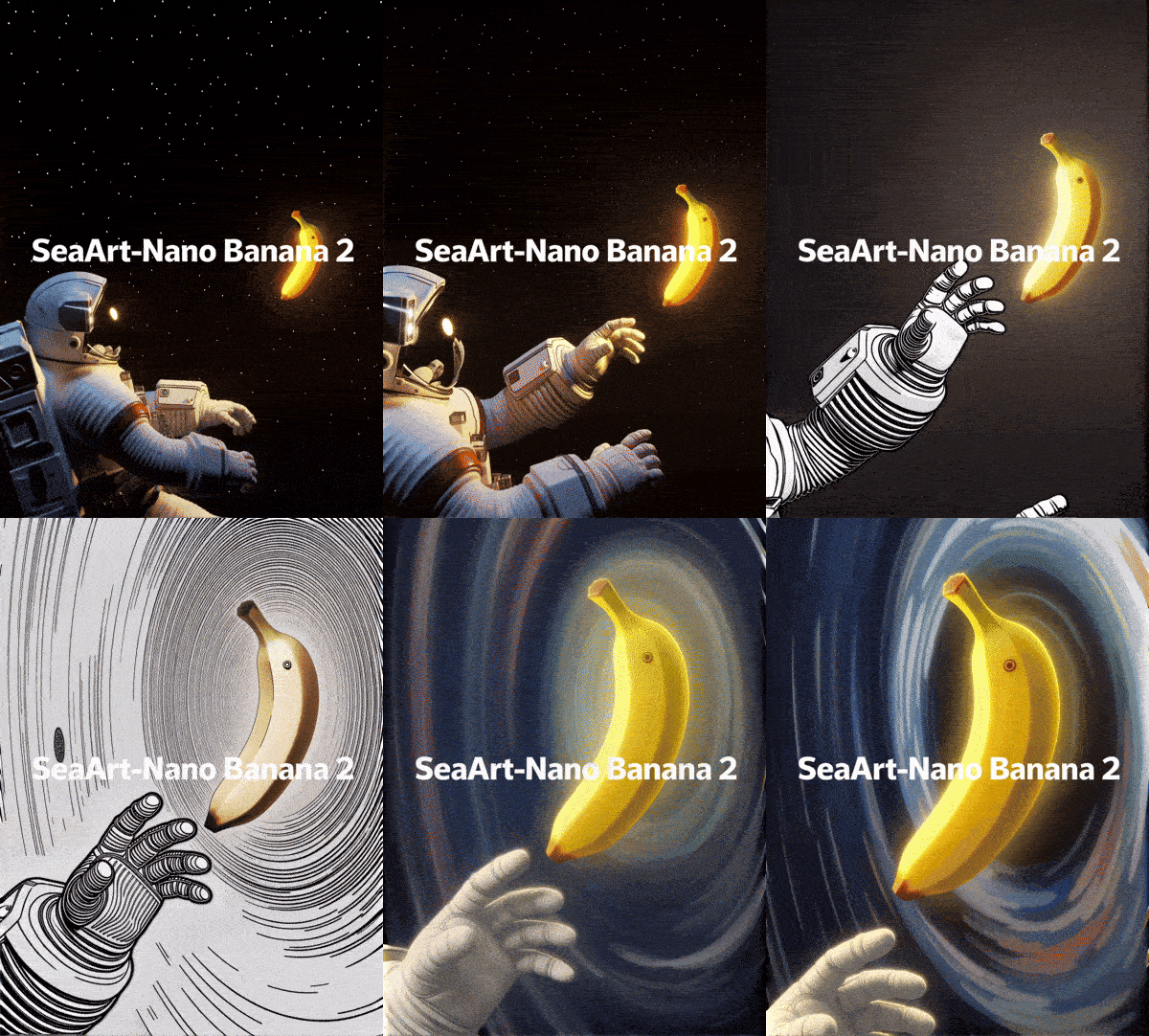
LTX-2.3 is an open-source audio-video foundation model released by Lightricks. Its core feature is not simply generating video alone or producing video first and adding audio later. Instead, it places both video and audio within a single generation framework, directly producing synchronized visuals and sound. Officially, it is described as a DiT-based audio-video foundation model, meaning a joint audio-video generation model built on Diffusion Transformer architecture.Compared with many traditional video generation approaches, the biggest difference of LTX-2.3 is its native audio-visual synchronization. If a prompt includes speaking, singing, ambient sound, or rhythmic motion, the model attempts to align lip movements, actions, and sound within a single generation process, rather than relying on post-processing to dub audio or correct lip sync afterward. This makes it especially valuable for dialogue videos, character singing, and short narrative scenes.

3.7

LTX-2.3 is an open-source audio-video foundation model released by Lightricks. Its core feature is not simply generating video alone or producing video first and adding audio later. Instead, it places both video and audio within a single generation framework, directly producing synchronized visuals and sound. Officially, it is described as a DiT-based audio-video foundation model, meaning a joint audio-video generation model built on Diffusion Transformer architecture.Compared with many traditional video generation approaches, the biggest difference of LTX-2.3 is its native audio-visual synchronization. If a prompt includes speaking, singing, ambient sound, or rhythmic motion, the model attempts to align lip movements, actions, and sound within a single generation process, rather than relying on post-processing to dub audio or correct lip sync afterward. This makes it especially valuable for dialogue videos, character singing, and short narrative scenes.
SeaArt Comfy Helper
Happy Horse

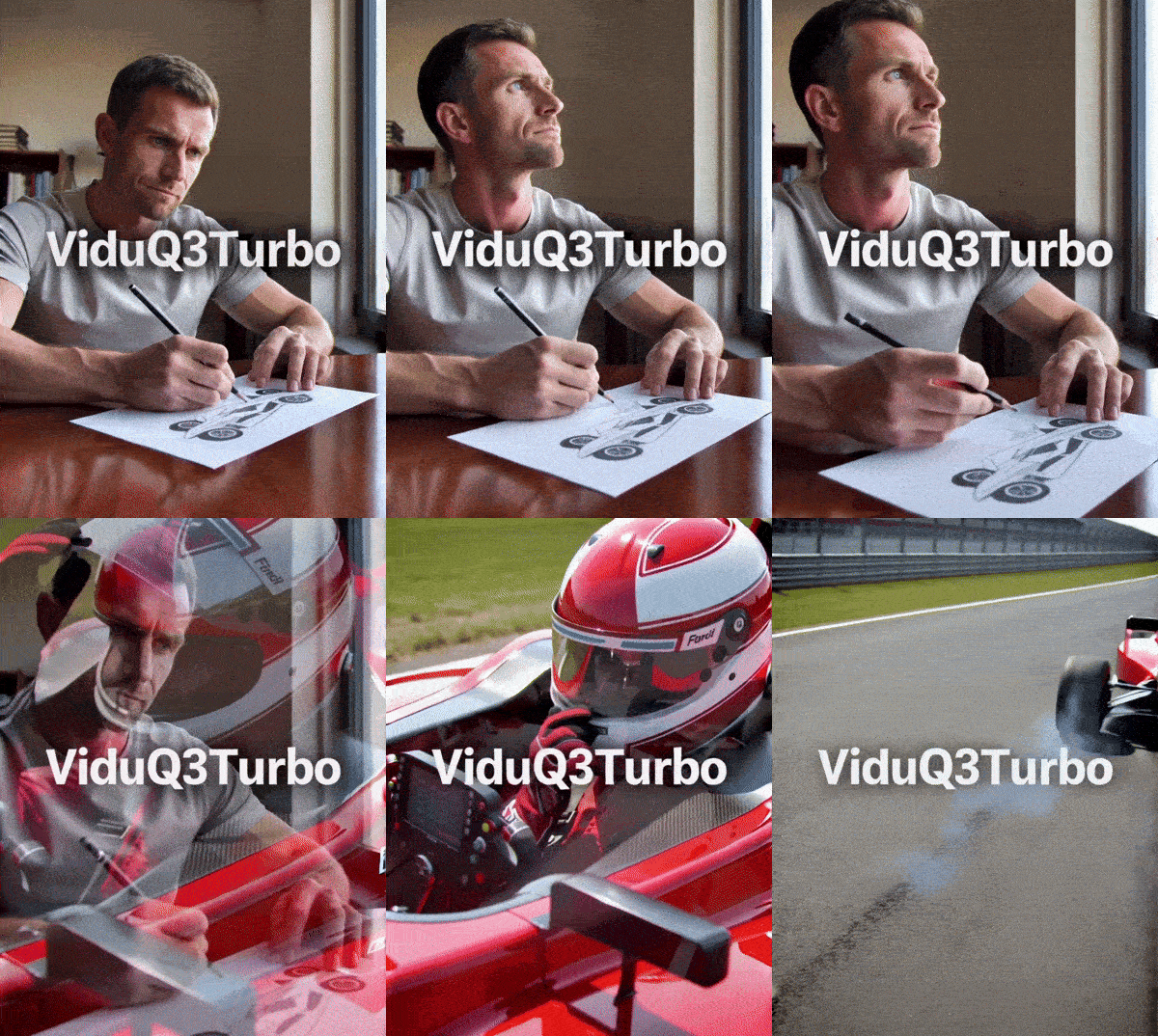
Happy Horse 1.0 is an open-source AI video generation model released in April 2026. Upon its launch, it topped the Artificial Analysis video generation leaderboard, becoming the most powerful AI video generator available today.It features 15 billion parameters with a unified Transformer architecture using 40-layer self-attention. Its standout capability is generating both video and audio simultaneously in a single pass, achieving perfect synchronization between visuals and sound. It supports lip-sync in 7 languages: English, Mandarin, Cantonese, Japanese, Korean, German, and French, making it incredibly useful for digital avatars, voiceover videos, and similar applications.Happy Horse 1.0 outputs 1080p HD quality with clips lasting 5 to 8 seconds per generation. Thanks to its 8-step DMD-2 distillation acceleration technology, generation takes approximately 10 to 38 seconds, making it quite efficient. It uses a unified architecture to process text, image, video, and audio tokens together, rather than relying on traditional multi-module combinations. This design ensures more consistent and harmonious output quality.

5.0

Happy Horse 1.0 is an open-source AI video generation model released in April 2026. Upon its launch, it topped the Artificial Analysis video generation leaderboard, becoming the most powerful AI video generator available today.It features 15 billion parameters with a unified Transformer architecture using 40-layer self-attention. Its standout capability is generating both video and audio simultaneously in a single pass, achieving perfect synchronization between visuals and sound. It supports lip-sync in 7 languages: English, Mandarin, Cantonese, Japanese, Korean, German, and French, making it incredibly useful for digital avatars, voiceover videos, and similar applications.Happy Horse 1.0 outputs 1080p HD quality with clips lasting 5 to 8 seconds per generation. Thanks to its 8-step DMD-2 distillation acceleration technology, generation takes approximately 10 to 38 seconds, making it quite efficient. It uses a unified architecture to process text, image, video, and audio tokens together, rather than relying on traditional multi-module combinations. This design ensures more consistent and harmonious output quality.
SeaArt Comfy Helper
ERNIE-Image-Turbo

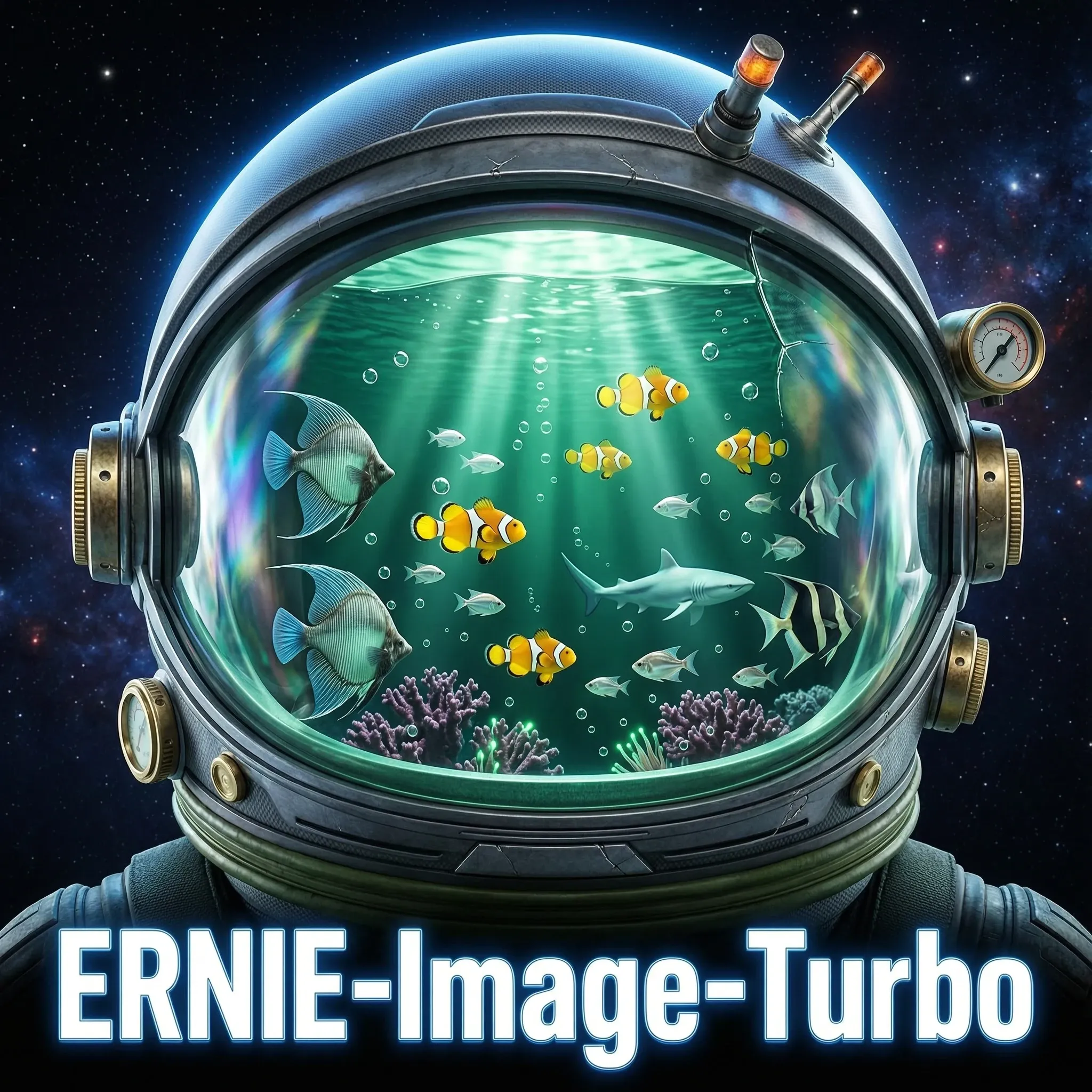
Model OverviewERNIE-Image is an open-source text-to-image generation model developed by Baidu's Wenxin (ERNIE) team. Built on a single-stream Diffusion Transformer (DiT) architecture with 8 billion parameters, it operates within a Latent Diffusion Model (LDM) framework.The model's core philosophy emphasizes not only visual aesthetics but also controllability. In content creation scenarios such as commercial posters, comics, and multi-panel layouts, accurate content realization matters just as much as visual appeal. Core CapabilitiesNative Multilingual SupportNatively understands Chinese, English, and Japanese, supporting culturally authentic outputs and idiomatic expressionsParticularly well-suited for East Asian content creationPrecise Text RenderingStrongest text rendering among all open-source modelsSupports dense typography, long-form text, and layout-sensitive content in both Chinese and EnglishIdeal for text-heavy imagery such as poster titles, comic dialogue boxes, and UI interfacesComplex Instruction FollowingReliably handles multi-object relationships, complex descriptions, and knowledge-intensive content

4.8

Model OverviewERNIE-Image is an open-source text-to-image generation model developed by Baidu's Wenxin (ERNIE) team. Built on a single-stream Diffusion Transformer (DiT) architecture with 8 billion parameters, it operates within a Latent Diffusion Model (LDM) framework.The model's core philosophy emphasizes not only visual aesthetics but also controllability. In content creation scenarios such as commercial posters, comics, and multi-panel layouts, accurate content realization matters just as much as visual appeal. Core CapabilitiesNative Multilingual SupportNatively understands Chinese, English, and Japanese, supporting culturally authentic outputs and idiomatic expressionsParticularly well-suited for East Asian content creationPrecise Text RenderingStrongest text rendering among all open-source modelsSupports dense typography, long-form text, and layout-sensitive content in both Chinese and EnglishIdeal for text-heavy imagery such as poster titles, comic dialogue boxes, and UI interfacesComplex Instruction FollowingReliably handles multi-object relationships, complex descriptions, and knowledge-intensive content
SeaArt Comfy Helper
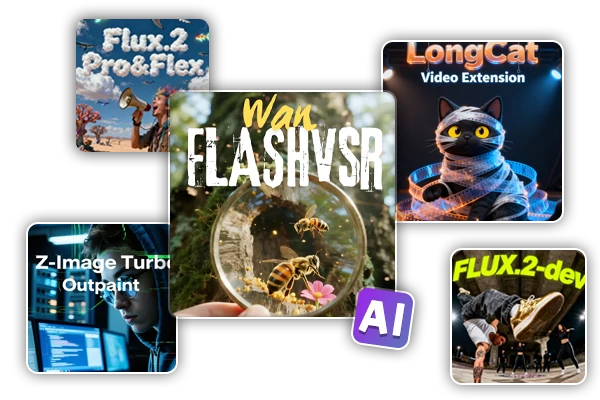
Flux.2 Pro&Flex

This workflow is providing access to two distinct versions: FLUX.2 Pro and FLUX.2 Flex. You can switch between them based on your specific needs for image precision and cost efficiency.🧩 Versions & Capabilities1. FLUX.2 ProCapabilities: Capable of generating high-quality images. Ideal for most standard creative tasks, style exploration, and rapid generation.Pricing (Credits):Text Only: 55 (≤1024px) / 70 (>1024px)Image Input: 80 (≤1024px) / 100 (>1024px)2. FLUX.2 FlexCapabilities: Compared to Pro, Flex excels in handling complex lighting, intricate textures, and adherence to long, complex prompts. It is the premier choice for ultimate image quality, commercial poster output, and high-precision editing tasks.Pricing (Credits):Text Only: 110 (≤1024px) / 140 (>1024px)Image Input: 220 (≤1024px) / 260 (>1024px)

4.9

This workflow is providing access to two distinct versions: FLUX.2 Pro and FLUX.2 Flex. You can switch between them based on your specific needs for image precision and cost efficiency.🧩 Versions & Capabilities1. FLUX.2 ProCapabilities: Capable of generating high-quality images. Ideal for most standard creative tasks, style exploration, and rapid generation.Pricing (Credits):Text Only: 55 (≤1024px) / 70 (>1024px)Image Input: 80 (≤1024px) / 100 (>1024px)2. FLUX.2 FlexCapabilities: Compared to Pro, Flex excels in handling complex lighting, intricate textures, and adherence to long, complex prompts. It is the premier choice for ultimate image quality, commercial poster output, and high-precision editing tasks.Pricing (Credits):Text Only: 110 (≤1024px) / 140 (>1024px)Image Input: 220 (≤1024px) / 260 (>1024px)
SeaArt Comfy Helper

Wan Video

Wan2.2 VACE - Multimodal control-KJ


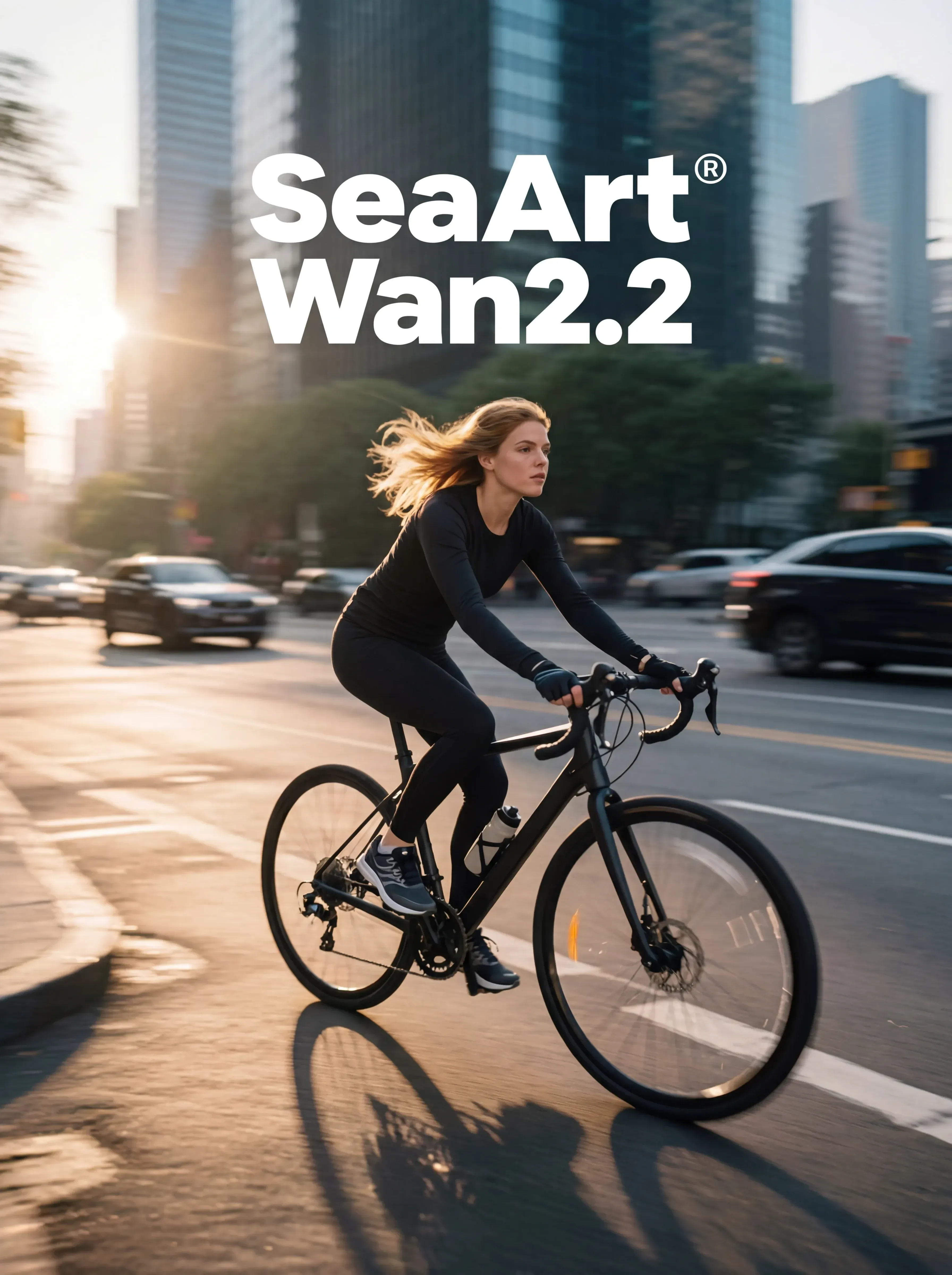
Continue the “unified editing/control” paradigm on the 2.2 backbone. The 2.2 backbone adopts a Mixture‑of‑Experts (MoE) design—high‑noise and low‑noise experts operating at different denoising stages—to improve quality and detail while keeping inference costs manageable. A representative controllable variant is Wan2.2‑VACE‑Fun‑A14B, which supports multi‑modal control conditions (Canny, Depth, OpenPose, MLSD, Trajectory, etc.). A typical workflow is: provide a reference image (to preserve identity/appearance) plus a driving video or its parsed control signals (e.g., pose sequence, trajectory, time‑varying depth/edges) to generate a video driven by that reference image. The VACE/Fun family provides these temporal control interfaces and the unified task support.

4.4

Continue the “unified editing/control” paradigm on the 2.2 backbone. The 2.2 backbone adopts a Mixture‑of‑Experts (MoE) design—high‑noise and low‑noise experts operating at different denoising stages—to improve quality and detail while keeping inference costs manageable. A representative controllable variant is Wan2.2‑VACE‑Fun‑A14B, which supports multi‑modal control conditions (Canny, Depth, OpenPose, MLSD, Trajectory, etc.). A typical workflow is: provide a reference image (to preserve identity/appearance) plus a driving video or its parsed control signals (e.g., pose sequence, trajectory, time‑varying depth/edges) to generate a video driven by that reference image. The VACE/Fun family provides these temporal control interfaces and the unified task support.
SeaArt Comfy Helper
Wan2.2‑Fun-Inp-KJ

Wan2.2‑Fun‑InP is part of the Wan2.2‑Fun series. It supports conditioning on a start frame and an end frame to estimate the in‑between transition and produce temporally consistent video results for controllable image‑to‑video applications.What it addresses:Traditional image‑to‑video workflows typically extend motion from a single starting image. By adding an optional end keyframe, Fun‑InP helps the motion, composition, and overall content progress toward a specified target, making transitions easier to control and the sequence more coherent.Inputs: start‑frame image, end‑frame image (optional text prompt / control signals).Output: a video clip made up of interpolated middle frames, with the first and last frames visually consistent with the provided keyframes.

4.7

Wan2.2‑Fun‑InP is part of the Wan2.2‑Fun series. It supports conditioning on a start frame and an end frame to estimate the in‑between transition and produce temporally consistent video results for controllable image‑to‑video applications.What it addresses:Traditional image‑to‑video workflows typically extend motion from a single starting image. By adding an optional end keyframe, Fun‑InP helps the motion, composition, and overall content progress toward a specified target, making transitions easier to control and the sequence more coherent.Inputs: start‑frame image, end‑frame image (optional text prompt / control signals).Output: a video clip made up of interpolated middle frames, with the first and last frames visually consistent with the provided keyframes.
SeaArt Comfy Helper
Wan2.1 Minimax-Remover - Video erase -KJ

Core Focus: Video-level object removal. Given a sequence of video frames and a corresponding mask, it seamlessly removes the masked object and fills in the background while maintaining temporal consistency, minimizing artifacts or remnants.Method Highlights:Minimum-Maximum Optimization: Tames bad noise during training and inference, improving the model's robustness to masked regions and reducing the probability of object regeneration.Two-Stage Architecture: First, a simplified DiT (Diffusion Transformer) structure is used to learn the removal capability; then, a version with fewer sampling steps and faster inference is obtained through "CFG de-distillation."Efficiency Features: Extremely low inference steps (approximately 6 steps in the official example), and does not rely on CFG, resulting in high speed and low resource consumption, suitable for long videos/batch processing. References

3.0

Core Focus: Video-level object removal. Given a sequence of video frames and a corresponding mask, it seamlessly removes the masked object and fills in the background while maintaining temporal consistency, minimizing artifacts or remnants.Method Highlights:Minimum-Maximum Optimization: Tames bad noise during training and inference, improving the model's robustness to masked regions and reducing the probability of object regeneration.Two-Stage Architecture: First, a simplified DiT (Diffusion Transformer) structure is used to learn the removal capability; then, a version with fewer sampling steps and faster inference is obtained through "CFG de-distillation."Efficiency Features: Extremely low inference steps (approximately 6 steps in the official example), and does not rely on CFG, resulting in high speed and low resource consumption, suitable for long videos/batch processing. References
SeaArt Comfy Helper
LongCat-Video extension

🐱 LongCat-Video: Infinite Video Extension Workflow【One-Sentence Intro】Break the duration limit of AI video generation 🚀What Can It Do?This is an advanced workflow based on the **Wan2.1** model, designed to solve the core pain points of AI videos being "too short" and "disjointed when extended."♾️ Infinite Extension Just provide an image or a short video clip, and the workflow will automatically generate subsequent frames like a "relay race," theoretically allowing for infinite generation.Seamless "Invisible" Stitching It automatically trims the awkward beginnings of extended segments, making the transition between clips as smooth as silk, with absolutely no visible stitching marks.【Use Cases】Creating ultra-long looping landscape videos.Producing coherent narrative shorts, no longer limited by the 5-second barrier.

4.4

🐱 LongCat-Video: Infinite Video Extension Workflow【One-Sentence Intro】Break the duration limit of AI video generation 🚀What Can It Do?This is an advanced workflow based on the **Wan2.1** model, designed to solve the core pain points of AI videos being "too short" and "disjointed when extended."♾️ Infinite Extension Just provide an image or a short video clip, and the workflow will automatically generate subsequent frames like a "relay race," theoretically allowing for infinite generation.Seamless "Invisible" Stitching It automatically trims the awkward beginnings of extended segments, making the transition between clips as smooth as silk, with absolutely no visible stitching marks.【Use Cases】Creating ultra-long looping landscape videos.Producing coherent narrative shorts, no longer limited by the 5-second barrier.
SeaArt Comfy Helper

เลือกใหม่

กิจกรรมชาเลนจ
พื้นฐาน
สร้างวิดีโอ
สร้างเสียง
สร้าง 3D
FLUX
สไตล
ออกแบบ
การถ่ายภาพ
ประมวลผลภาพ
การเล่นเชิงสร้างสรรค
ANIMA BASE Text To Image Workflow (LoRA & Hires Fix Support)

5.0

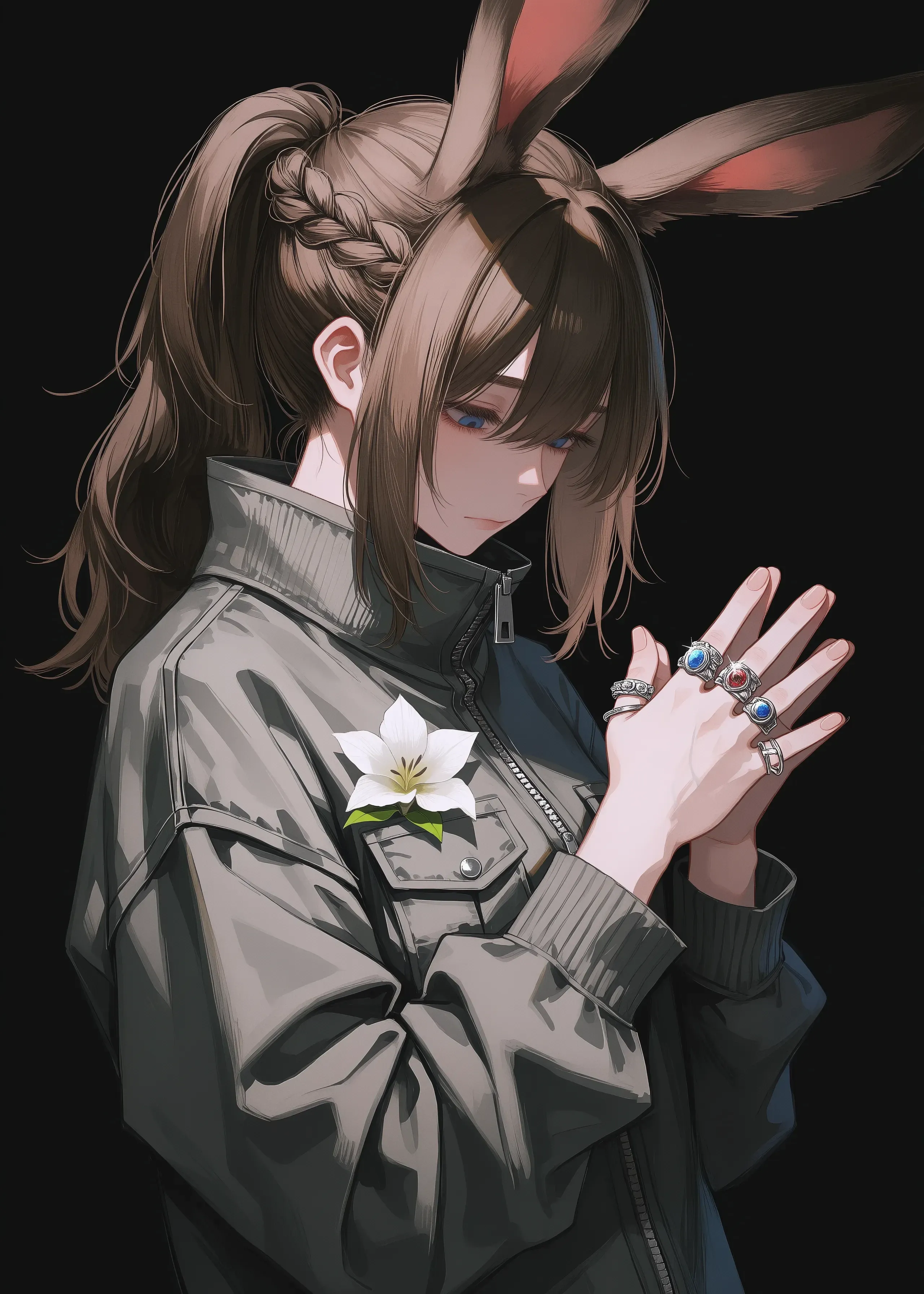
This is a Text-to-Image workflow compatible with Anima Base. It features LoRA and the Hires Fix Upscaler.Anima alone possesses expressive capabilities that surpass those of Illustrious. The base model alone supports a wide variety of styles and appears to have strong natural language understanding capabilities. However, entering prompts can be a bit tricky. Unlike Illustrious, it does not generate reasonably good results even with vague instructions. Unless you use tags for quality, era, character, or human artist, both the quality and style of the output will be completely random.It may take some time to get the hang of it, but once you master it, it will be a fun model to use.-----------------------------------------------------------------------------------------------------------------------------HOW TO USE1.GENERATIONEnter a positive prompt and a negative prompt (optional), and set the image resolution and number of images (optional).By default, the system generates one image at a resolution of 1024×1524. Generation time ranged from 20 seconds to 1 minute.2.Checkpoint,LoRA Settings(Optional)You can select the checkpoint to use with the Checkpoint Loader KJ. To load LoRA, use either the CR Load LoRA node or the CR LoRA Stack. After loading LoRA, don’t forget to turn the switch on. You can also set the LoRA strength here.3.Upscaler Setting(Optional)If you set the “Upscaler” option (currently the only option available) to “Yes” using the function switch located near the node where you enter the prompt, the image will be upscaled after it is generated.You can use the slider on the left to select a resolution of up to 4K for the upscaled image.Note for advanced users: While this uses the Hires fix for SDXL, it does not seem to work as perfectly with ANIMA as it does with SDXL. In the SDXL version of the workflow, increasing the denoise setting of the upscaling sampler allowed for more detailed rendering, but this does not work very well here.4.When you want to upscale an uploaded image.If you want to use Hires Fix to upscale an image generated with the upscaler turned off, it would be a hassle to have to restart the upscaler workflow and reconfigure the prompt and LoRA, wouldn’t it?This workflow includes a feature that upscales the uploaded image itself, rather than the generated image.If you set the boolean switch in the “IMAGE UPSCALER” section to “false,” it will upscale the image loaded into the “Load Image” field in this section. If set to “true,” it will upscale the generated image.Note that even if you set it to “false” and upscaling an uploaded image, a new image will still be generated.Some Tips on Using ANIMA1.Artist TagsUnlike Illustrious, ANIMA requires you to specify a score and style.ANIMA BASE V1.0 covers a wide range of art styles, but if you don’t specify a score or style, the art style will be random.For example, if you simply enter “hatsune miku,” the result will look like this.I personally like the cute, amateur-style art, but if you have a specific style or quality in mind, or if you want to maintain a consistent style across a series of images, using scores and artist tags is must.Specifying quality and style will produce results like this.Prompt Example:(masterpiece, best quality, amazing quality, very aesthetic, extremely detailed, very detailed, absurdres, newest, highres, score_9, score_8), @Yoneyama_Mai, (@elfboiii:0.5), @ryuuzaki ichi), (@starmilk:0.3)You can mix styles by specifying multiple artist tags, and you can also adjust their weights. Try experimenting to find the balance that suits your preferences.However, the accuracy of the style reproduction depends on how well the model has been trained on that artist’s images. In other words, the base model alone may struggle to reproduce the style of artists with few images stored on Danbooru. If you have a favorite artist with a limited number of images on Danbooru, you’ll likely need to obtain or create a separate LoRA.2.CharactersJust like with an artist’s style, you can recreate a vast array of characters using only the base model. All you have to do is include the tags registered on Danbooru in your prompt.Prompt Example:ash ketchum, pokemon, 1boy, brown eyes, black hair, short hair, baseball cap, short sleeves3.Natural LanguageWith SDXL, we attempted to generate images by listing tags in the prompt. However, ANIMA supports natural language, similar to ChatGPT and ZImage. It allows for the simultaneous use of both tags and natural language, enabling it to handle more subtle nuances and complex requests than SDXL.As an example, let’s try requesting a three-view diagram of a character using natural language.Prompt Example:ash ketchum, pokemon, 1boy, brown eyes, black hair, short hair, baseball cap, short sleevesCreate three-view drawings of the same character: front, side, and back. Divide the screen into three sections. On the left, draw the character standing with their side facing the viewer, depicting the entire body from head to toe. In the center, create an image of the character standing facing forward. In the center image, the body and face should be facing forward, standing upright and looking straight ahead, with hands lightly resting at the sides of the body; draw the entire body from head to toe. On the right, draw the character standing with their back to the viewer, depicting the entire body from head to heel.(masterpiece, best quality, amazing quality, very aesthetic, extremely detailed, very detailed, absurdres, newest, highres, score_9, score_8), ANIMA can also reproduce a character's physique using natural language.Prompt Example:ash ketchum, pokemon, 1boy, brown eyes, black hair, short hair, baseball cap, short sleeves,full body,He is 10 years old. He is short, petite, and thin. He has a four-head-height build.Prompt Example:ash ketchum, pokemon, 1boy, brown eyes, black hair, short hair, baseball cap, short sleeves,full body,He is 26 years old. He is quite tall,He has a muscular build. He has a 7-head height ratio.ANIMA is a really interesting model. It can generate anime characters like SDXL and supports natural language like ChatGPT and Z-image. Be sure to give it a try and have fun generating all sorts of things with ANIMA!
Franklin

ยินดีต้อนรับสู่ SeaArt AI Workflow

ทำให้กระบวนการสร้างสรรค์ของคุณง่ายขึ้นด้วย workflow ของเครื่องมือสร้างศิลปะ AI จาก SeaArt ซึ่งออกแบบมาเพื่อตอบสนองความต้องการที่หลากหลายของศิลปิน นักออกแบบ และครีเอทีฟ จากภาพ AI ถึง วิดีโอ AI SeaArt AI มีทุกอย่างที่คุณต้องการเพื่อทำให้วิสัยทัศน์ทางศิลปะของคุณเป็นจริง

ทำไมต้องใช้ ComfyUI Workflow บน SeaArt AI?

อินเทอร์เฟซที่ใช้งานง่าย

SeaArt AI มีอินเทอร์เฟซที่ใช้งานง่ายทำให้การตั้งค่า workflow เป็นเรื่องง่าย ทุก workflow ถูกสร้างขึ้นสำหรับทุกคน แม้ว่าคุณจะไม่มีความเชี่ยวชาญในการเขียนโค้ด

ปรับแต่ง workflow ได้ตามต้องการ

ออกแบบ workflow ของคุณในแบบที่คุณต้องการ จากการฝึกฝน LoRA ขั้นสูงไปจนถึงการสร้างภาพจากข้อความที่ซับซ้อน ทุกขั้นตอนสามารถปรับแต่งได้ตามความต้องการของคุณ

ประสิทธิภาพสูง

SeaArt ช่วยเพิ่มประสิทธิภาพกระบวนการสร้างศิลปะ AI เพลิดเพลินกับเวลาการเรนเดอร์ที่เร็วขึ้นและอุปสรรคทางเทคนิคที่น้อยลง สร้างภาพที่น่าทึ่งได้อย่างรวดเร็ว

หลายๆ workflow บน SeaArt AI

พัน workflow สำหรับการสร้างศิลปะ AI

ปลดล็อกวิสัยทัศน์ทางศิลปะของคุณด้วย SeaArt Workflow เข้าถึง workflow ที่ตั้งค่าไว้ล่วงหน้าหลายพันรายการเพื่อสร้างศิลปะ AI ได้อย่างง่ายดายในรูปแบบต่างๆ เช่น ข้อความเป็นภาพ, ภาพเป็นภาพ, และภาพเป็นวิดีโอ workflow เหล่านี้ผสานกับโมเดล AI ที่ทรงพลังเช่น Flux, SD 3.5 และตัวเลือกยอดนิยมอื่นๆ รวมถึง ControlNet ทำให้คุณสามารถสร้างภาพที่น่าทึ่งที่ตรงกับความต้องการของคุณ

workflow ที่ปรับแต่งได้บน SeaArt AI

ควบคุมทั้งหมดด้วย workflow ที่ปรับแต่งได้

ด้วย SeaArt Workflow คุณสามารถควบคุมกระบวนการสร้างได้ทั้งหมด เรามีตัวเลือกการปรับแต่งที่ทรงพลังที่ช่วยให้คุณปรับ workflow ตามความต้องการเฉพาะของคุณ ปรับพารามิเตอร์ เปลี่ยน โมเดล AI และปรับแต่งการตั้งค่าเพื่อให้ผลลัพธ์สุดท้ายตรงกับวิสัยทัศน์ของคุณ

FAQs

collapse

ComfyUI Workflow คืออะไร?

SeaArt AI’s Workflow เป็นเครื่องมือที่เป็นนวัตกรรมที่ก้าวข้ามการใช้เพียงข้อความสั่งงานแบบดั้งเดิม ต่างจากเครื่องมือสร้างศิลปะ AI แบบเดิมๆ SeaArt นำเสนอโครงสร้าง workflow ที่เป็นภาพ ซึ่งคุณสามารถสร้าง workflow ที่กำหนดเองเพื่อควบคุมกระบวนการสร้างภาพและวิดีโอด้วยความแม่นยำที่สูง

expand

ประเภทของศิลปะ AI ที่ฉันสามารถใช้ workflow เพื่อสร้างได้คืออะไร?

workflow เหล่านี้ช่วยให้คุณสามารถสร้างศิลปะ AI ได้หลากหลายประเภท รวมถึงภาพเหมือนที่สมจริง, ภูมิทัศน์แฟนตาซี, ตัวละครอนิเมะ และการสร้างที่เป็นนามธรรม คุณสามารถสร้างข้อความเป็นภาพ, ภาพเป็นภาพ, และภาพเป็นวิดีโอได้อย่างง่ายดาย รวมถึงการใช้สไตล์ในการถ่ายโอน และแม้กระทั่งการสร้างโมเดล 3D

expand

ComfyUI Workflow เหมาะสำหรับผู้เริ่มต้นหรือไม่?

ใช่! ด้วยอินเทอร์เฟซที่ใช้งานง่ายและการแสดงผลลัพธ์แบบเรียลไทม์ Workflow ของ SeaArt สามารถเข้าถึงได้ทั้งสำหรับผู้เริ่มต้นและผู้ใช้ขั้นสูง ทำให้การสร้างศิลปะ AI เป็นเรื่องง่าย

expand

ฉันสามารถปรับแต่ง workflow ของฉันได้หรือไม่?

ใช่ SeaArt AI มีตัวเลือกการปรับแต่งที่หลากหลายที่ช่วยให้คุณตั้งค่า workflow ของคุณตามความต้องการของโครงการเฉพาะ