Detaylar
Öneriler
v1.0
Rock Paper Scissors: Chinese Paper Cut Art Style

Rock Paper Scissors: Chinese Paper Cut Art Style

183
1
5
#ชาวจีน
#Style
#papercut
#paper cut
#FLUX

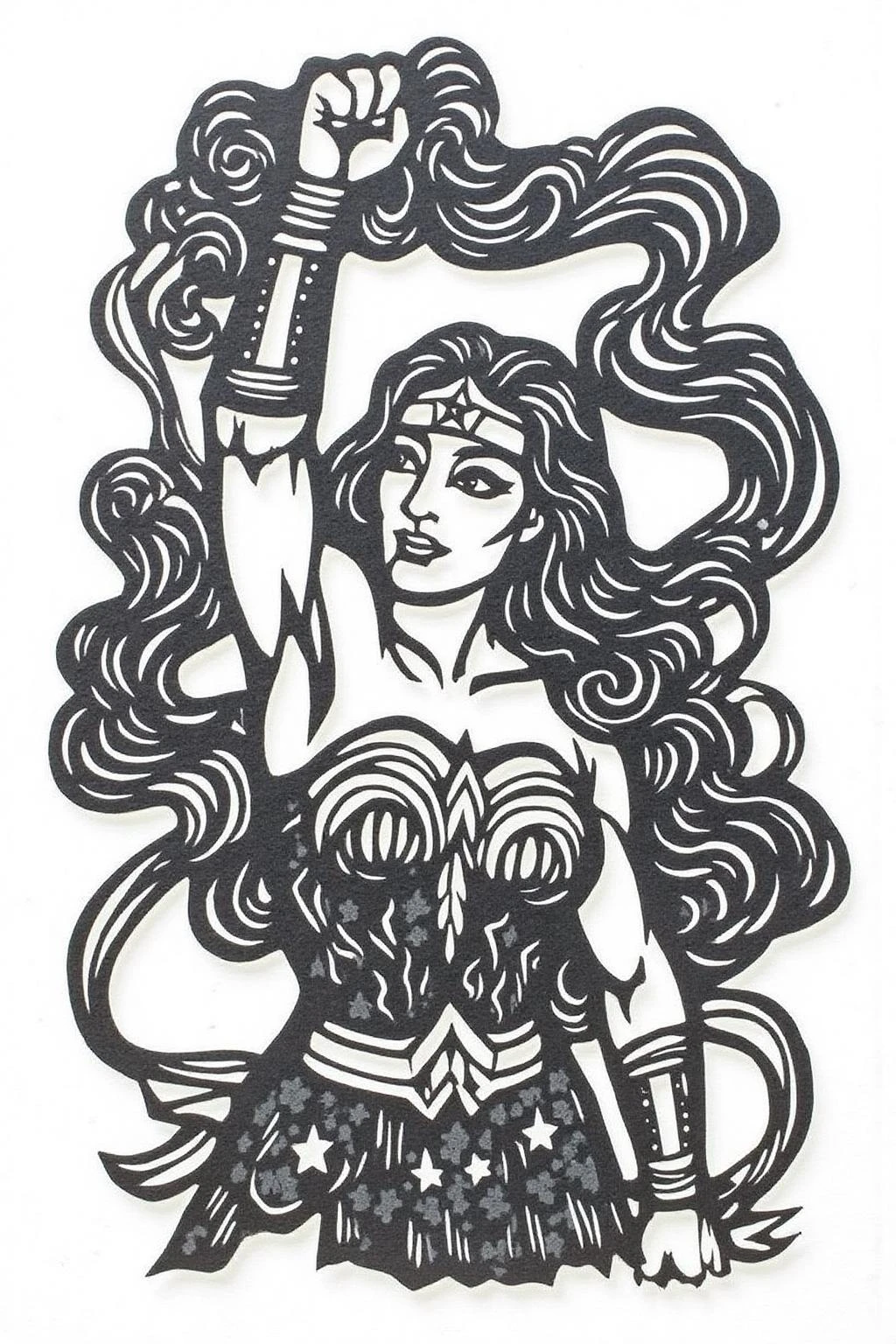
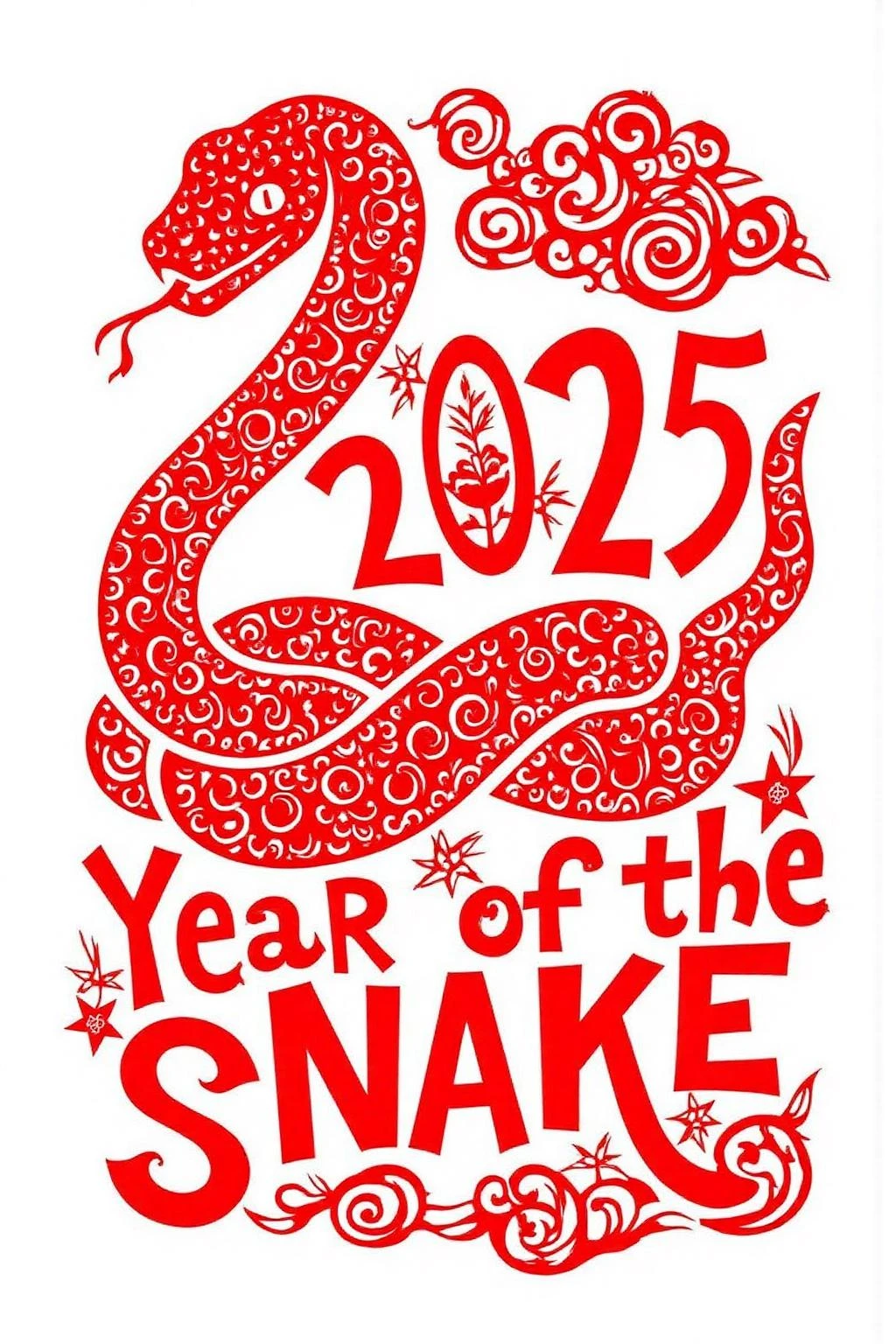
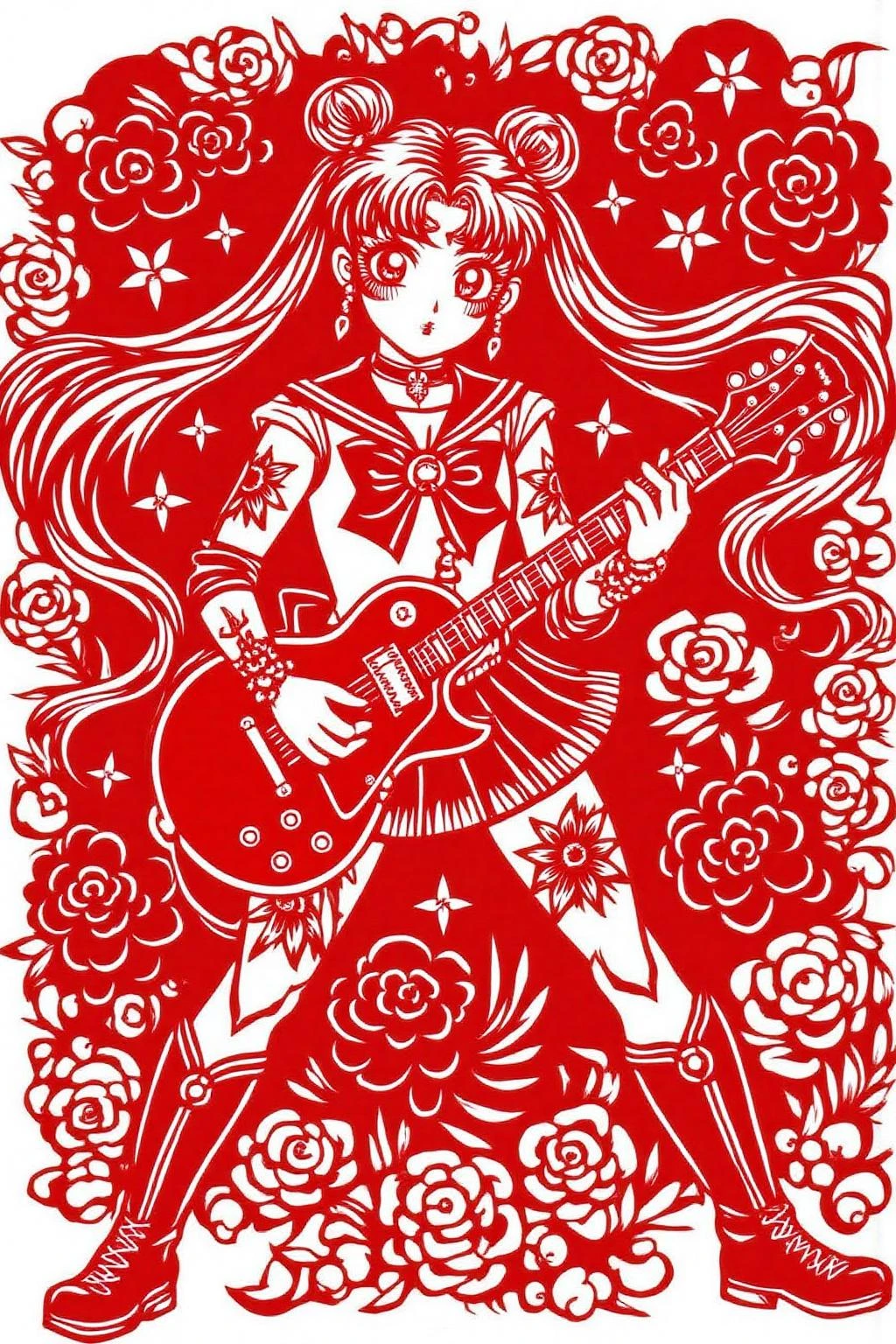
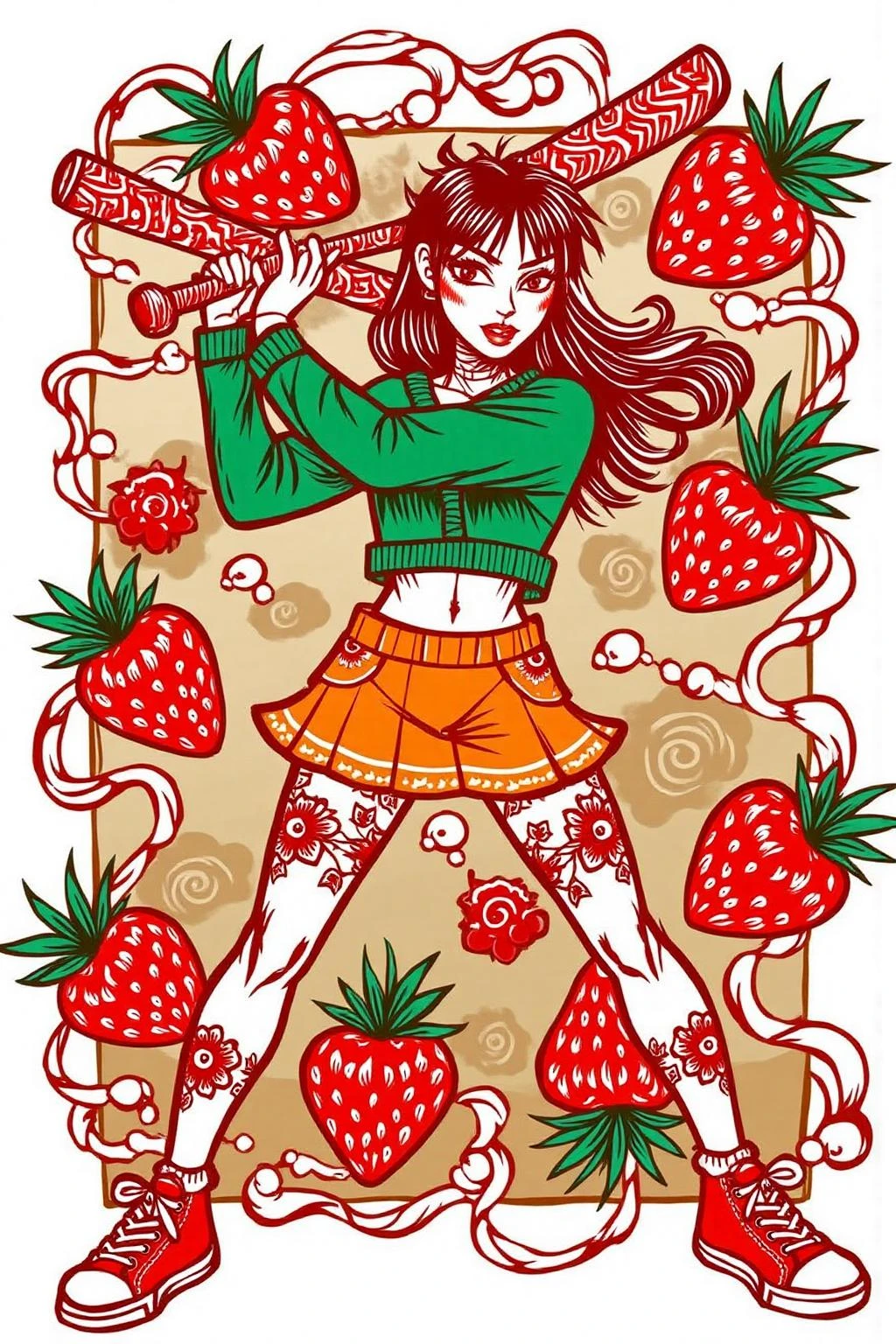
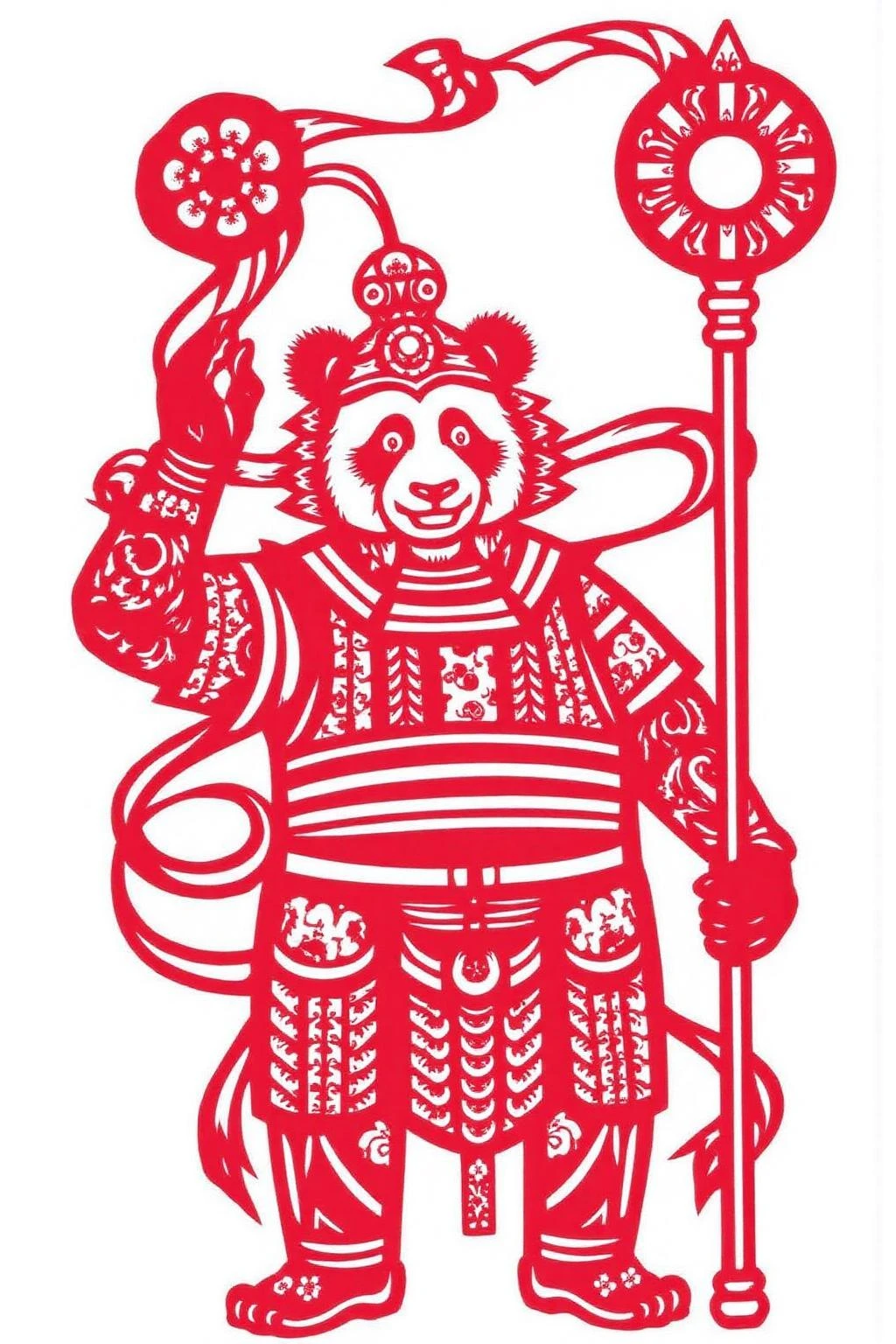
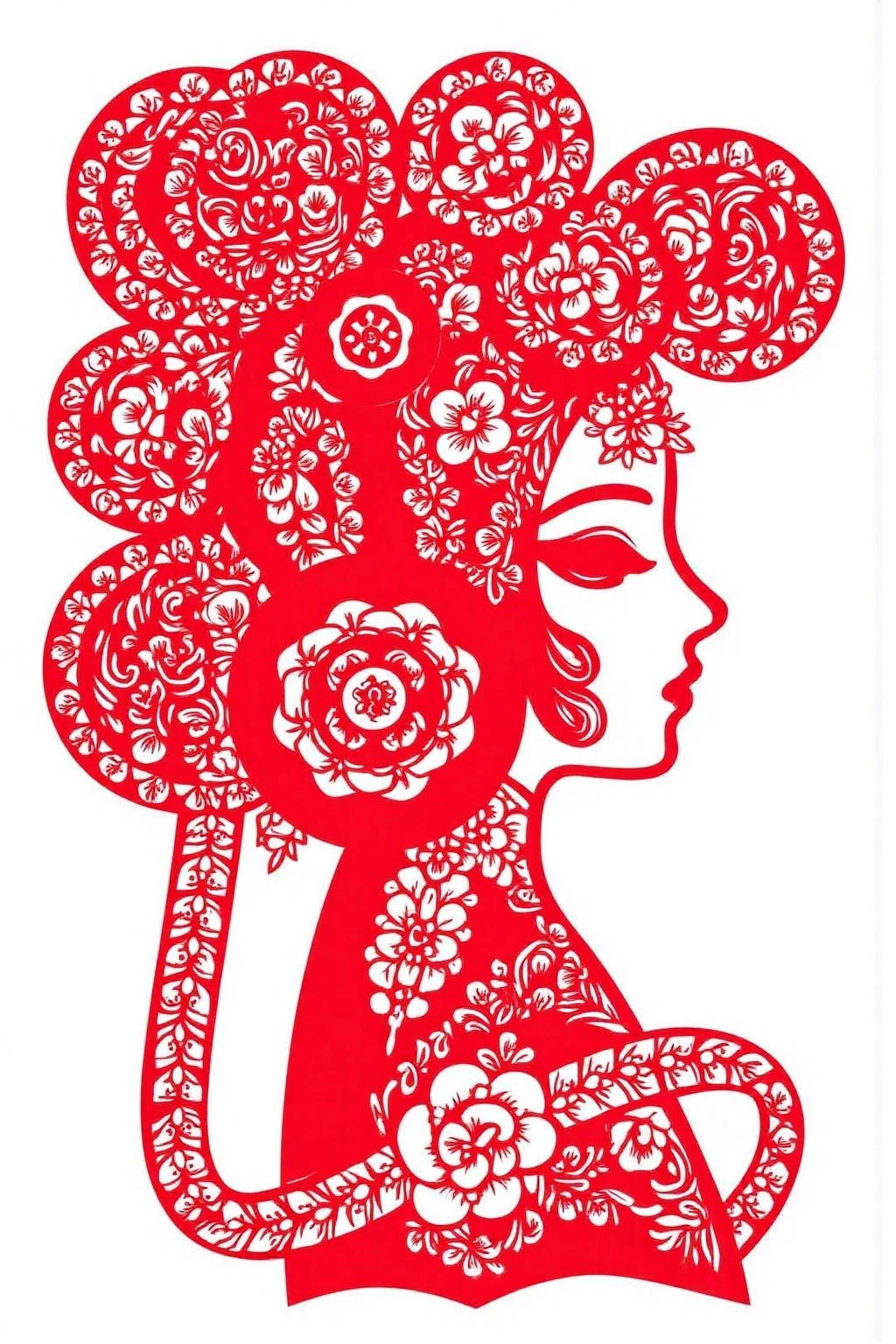
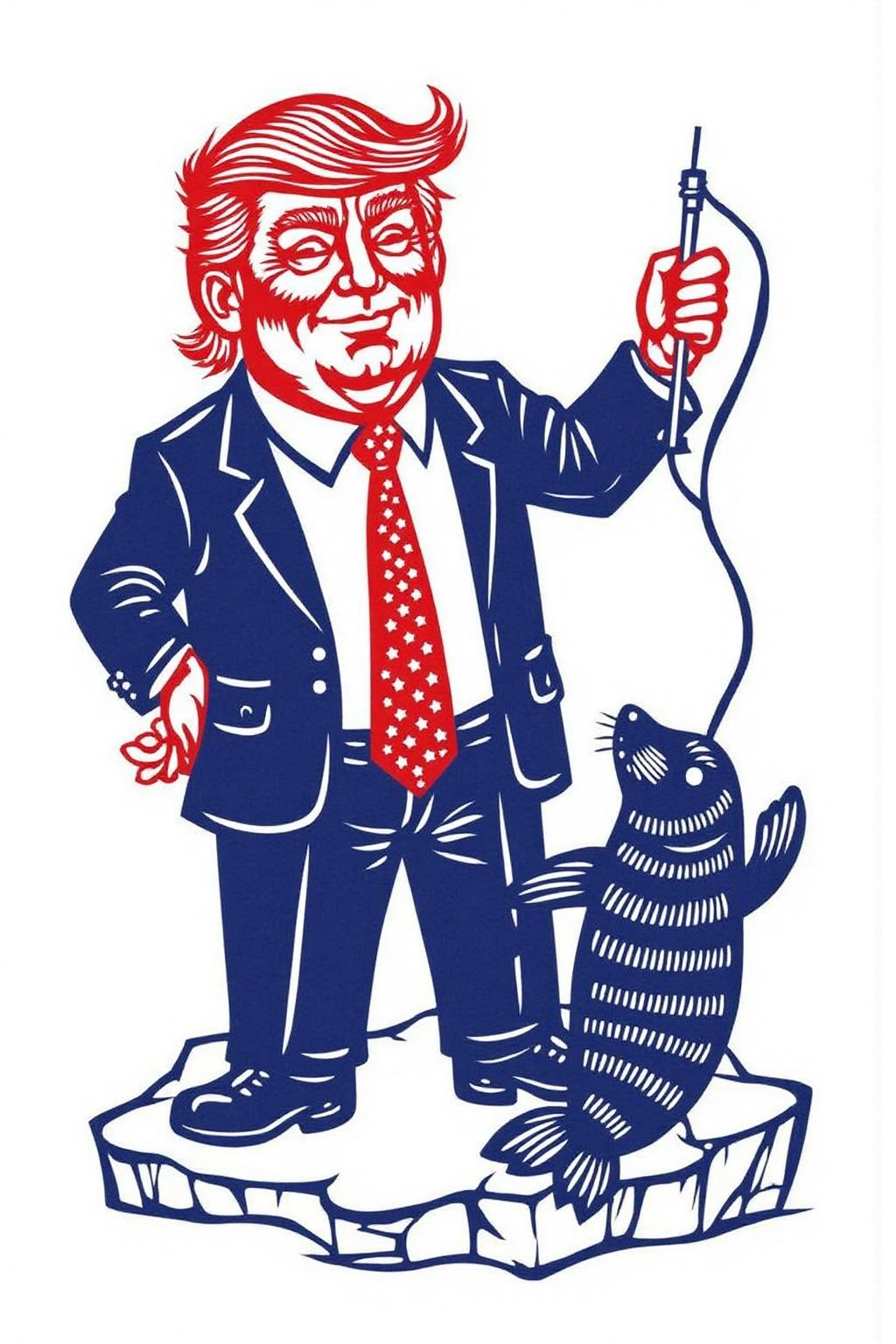
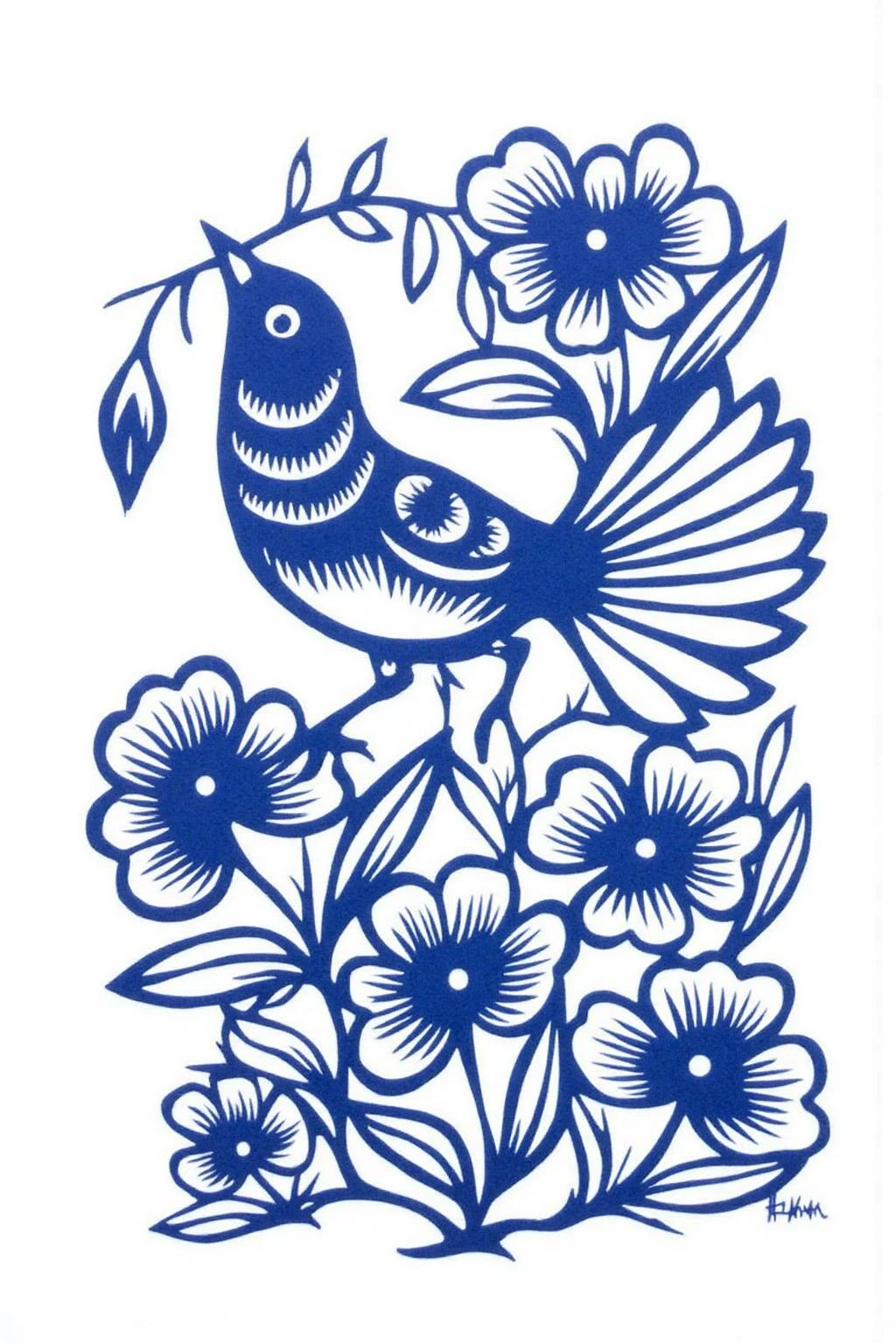
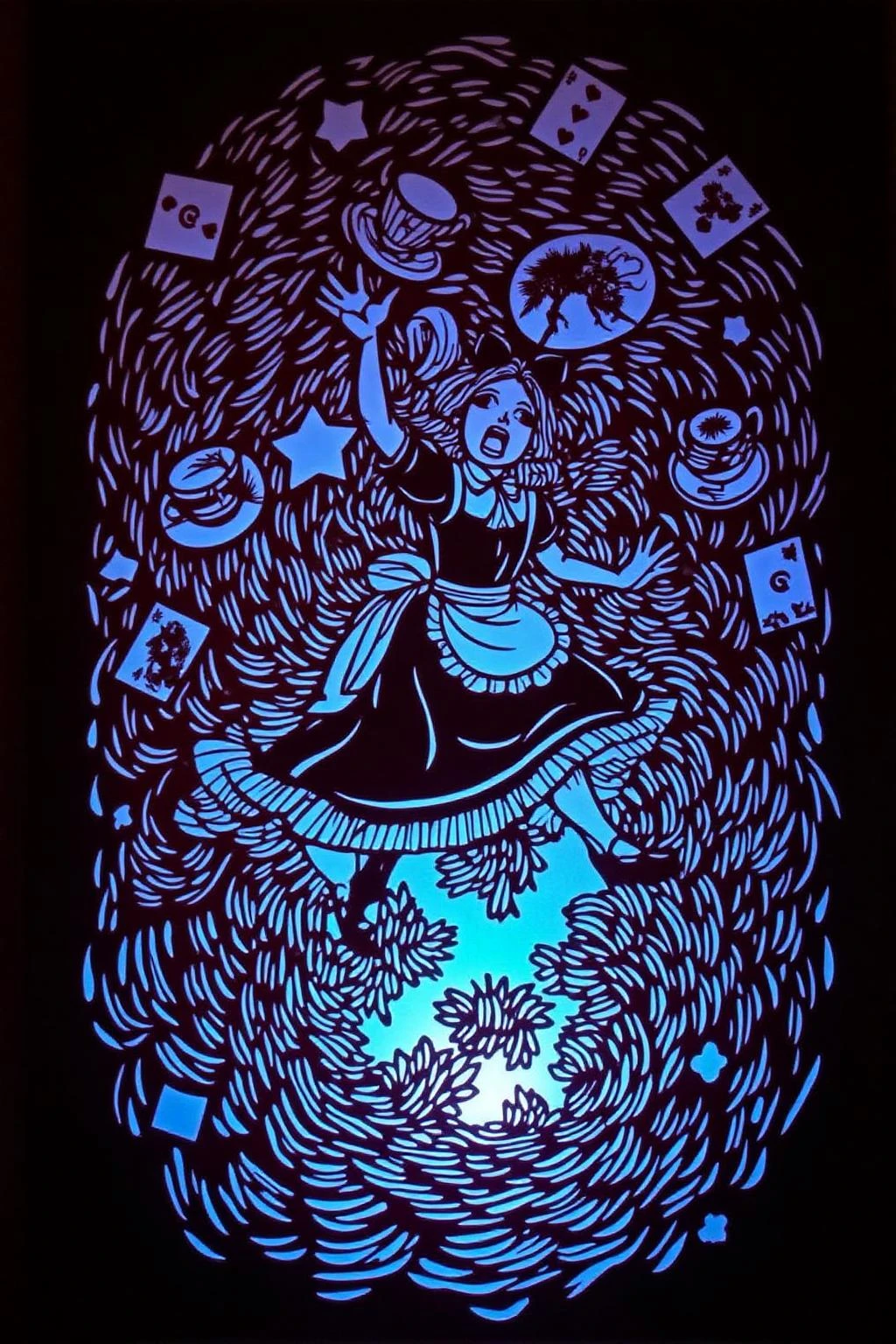
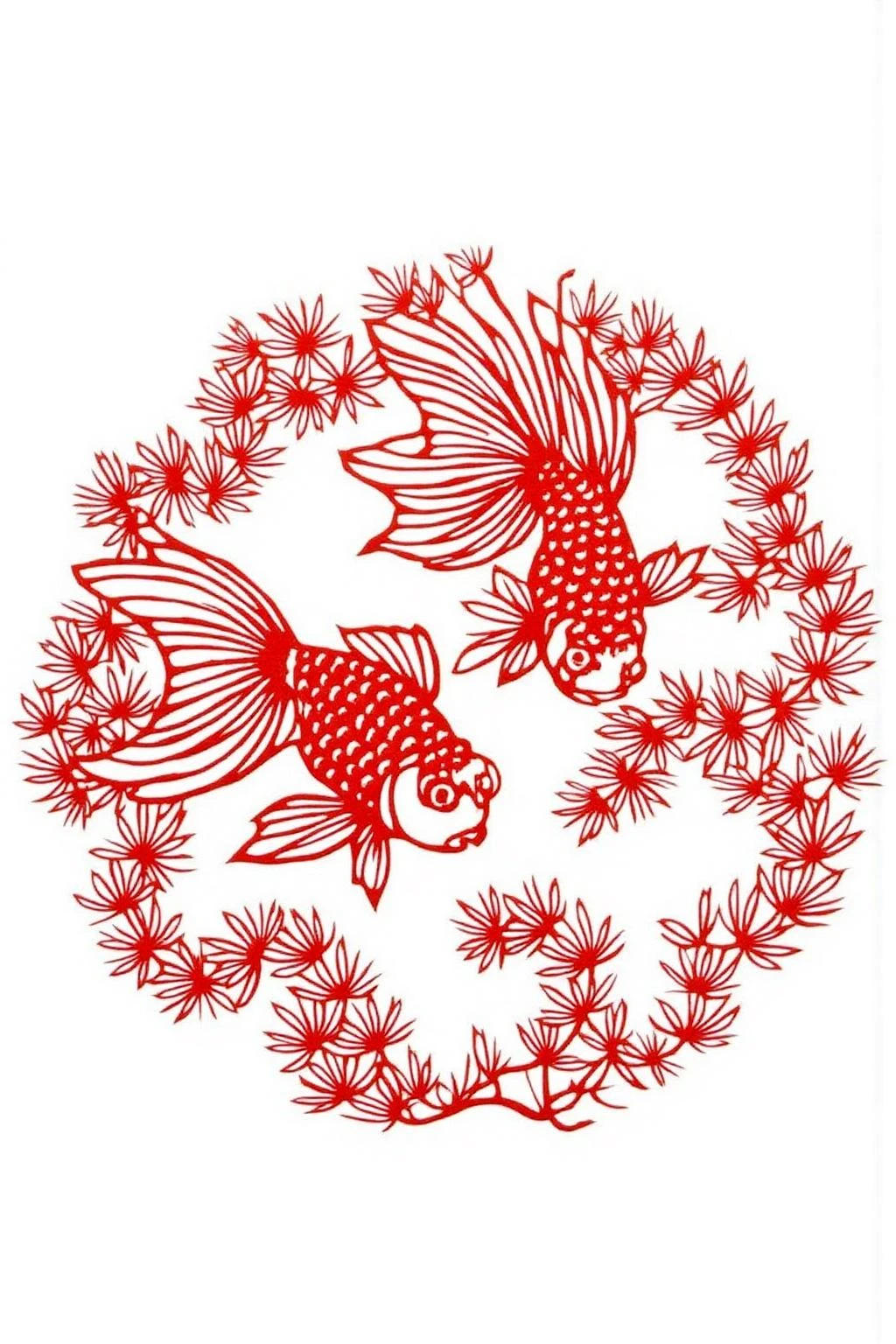
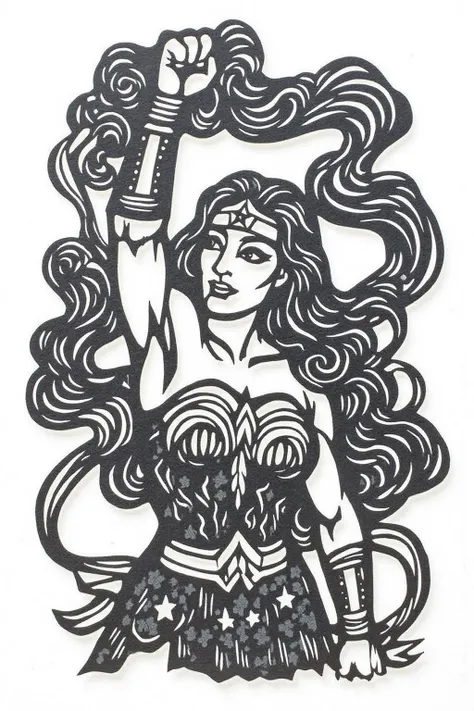
The Chinese New Year is almost here, so it is time to make some Chinese paper cutting artwork with red paper to decorate your home. Here is the perfect LoRA for you.

Trained on nineteen images of traditional Chinese paper cutting. Please go to https://www.flickr.com/photos/jason5yuan/albums/72157600307285121/ to see some real artworks.

Note that even though the LoRA works very well most of the time, sometimes it breaks the rule that a proper paper cutting work is one continuous piece of paper.

From ChatGPT:

Chinese papercut art (剪纸, jiǎnzhǐ) is a traditional folk art with a history spanning over 1,500 years. It involves creating intricate designs by cutting paper, often with scissors or small knives. Papercuts are used for decorative purposes and are deeply rooted in Chinese culture, symbolizing luck, prosperity, and celebration. They are closely associated with festivals, rituals, and daily life.


Historical Background

  1. Origins:

    • Papercut art emerged during the Eastern Han Dynasty (25–220 CE), shortly after the invention of paper by Cai Lun.

    • Initially, papercuts were used in ceremonial contexts, such as funerals, to represent offerings or protect against evil spirits.

  2. Development:

    • During the Tang (618–907) and Song Dynasties (960–1279), papercutting became more widespread and refined, transitioning into decorative art.

    • By the Ming (1368–1644) and Qing Dynasties (1644–1912), it had become a popular folk craft across China, with regional variations in style.


Techniques

  1. Materials:

    • Traditional papercuts are made from thin, durable paper, often dyed red, as red symbolizes good fortune in Chinese culture.

  2. Tools:

    • Scissors: Used for freehand cutting.

    • Knives: Small, sharp knives allow for greater precision and intricate details.

  3. Process:

    • A design is either drawn on paper or directly cut out without a preliminary sketch.

    • Artists often fold the paper to create symmetrical patterns.

  4. Complexity:

    • Some designs are simple and used for festive decorations, while others are highly elaborate, requiring exceptional skill and patience.


Themes and Symbolism

Chinese papercuts often convey cultural values and auspicious messages. Common themes include:

  1. Festivals:

    • Papercuts are used to decorate homes during celebrations, such as the Lunar New Year.

    • Traditional motifs include dragons, phoenixes, and lanterns.

  2. Animals:

    • Zodiac animals: Represent the 12 animals of the Chinese zodiac.

    • Fish (鱼, yú): Symbolizes abundance and prosperity due to its homophonic association with "surplus."

  3. Flora:

    • Peonies: Represent wealth and honor.

    • Lotuses: Symbolize purity and spiritual enlightenment.

  4. Folklore and Legends:

    • Papercuts often depict stories from Chinese mythology and opera, such as The Legend of the White Snake or scenes featuring the Monkey King (Sun Wukong).

  5. Good Luck Phrases:

    • Designs might include Chinese characters like 福 (fú) for "blessing" or 喜 (xǐ) for "happiness."


Uses

  1. Festive Decorations:

    • Papercuts are often displayed on windows, doors, or walls during holidays and special occasions.

  2. Ceremonies:

    • Used in weddings to symbolize harmony and good fortune.

    • During funerals, they can represent protection for the deceased.

  3. Gifts:

    • Papercuts are often exchanged as tokens of goodwill and blessings.

  4. Practical Applications:

    • Designs may also be used in stencils, embroidery patterns, or as part of shadow puppetry.


Regional Styles

Different regions in China have developed their own distinct papercut traditions:

  1. Shaanxi Style:

    • Bold, rough, and dramatic, with themes from rural life and local opera.

  2. Hebei Style:

    • Delicate, symmetrical, and often used for window decorations.

  3. Fujian Style:

    • Known for fine, intricate details and vibrant colours.

  4. Jiangsu Style:

    • Graceful and elegant, focusing on natural subjects like flowers and birds.


Modern Developments

  1. Cultural Preservation:

    • Papercutting has been recognized as an Intangible Cultural Heritage by UNESCO since 2009.

    • Efforts are underway in China to preserve this art form, including workshops, exhibitions, and school programs.

  2. Contemporary Art:

    • Modern artists have expanded papercut art into installations and digital designs, combining traditional techniques with contemporary themes.

  3. Global Influence:

    • Papercutting has gained international popularity, inspiring similar art forms around the world, such as kirigami in Japan.


Famous Artists

Some renowned practitioners of Chinese papercutting include:

  1. Hou Yumei:

    • Known for intricate designs and contributions to preserving papercutting traditions.

  2. Gao Fenglian:

    • A leading figure in Shaanxi-style papercutting.


Conclusion

Chinese papercut art is a testament to the country's rich cultural heritage and artistic ingenuity. From its humble beginnings to its current role as a global symbol of Chinese tradition, this intricate craft continues to captivate audiences with its beauty, symbolism, and historical significance.


Çeviriyi görüntüle

Puan ve Yorumlar

-- /5
0 Puan

Henüz yeterli değerlendirme veya yorum alınmadı

N
Duyuru
2025-01-27
Model yayınlama
2025-01-27
Model bilgilerini güncelle
Model detayları
Tür
LORA
Yayınlanma tarihi
2025-01-27
Temel Model
Flux.1 D
Tetikleyici Kelime
papercut art
Kopyala
Sürüm tanıtımı

This is epoch 12, the rest are here: tensor. art/models/823242486706079647/Chinese-Papercut-CapD6A3Cos5-2025-01-27-01:18:28-Ep-12

FLUX.1 - dev-fp8

Trigger: papercut art

Repeat: 20 Epoch: 12 (19 512x512 images, for total of 4560 steps)

Unet LR: 0.0005 Scheduler: cosine Optimizer: AdamW

Network Dim: 6 Alpha: 3

  • Epoch Loss

  • 1 0.397

  • ...

  • 3 0.379

  • 4 0.368

  • 5 0.357

  • 6 0.338

  • 7 0.328

  • 8 0.313

  • 9 0.304

  • 10 0.293

  • 11 0.282

  • 12 0.281 <- lowest

Lisans Kapsamı
Model Source: civitai

1. Yeniden paylaşılan modellerin hakları orijinal yaratıcılara aittir.

2. Orijinal model yaratıcıları, modellerini talep etmek için resmi kanallar aracılığıyla SeaArt AI personeliyle iletişime geçmelidir. Talep etmek için tıklayın

Yaratım Lisansı Kapsamı
Çevrimiçi Görsel Üretimi
Birleştirme İşlemi
İndirime İzin Ver
Ticari Lisans
Üretilen resimler ticari amaçlarla kullanılabilir veya satılabilir
Modelin yeniden satılmasına veya birleştirildikten sonra satılmasına izin verilir
QR Code
SeaArt Uygulamasını İndir
Mobil cihazınızda AI yaratıcılık yolculuğunuza devam edin