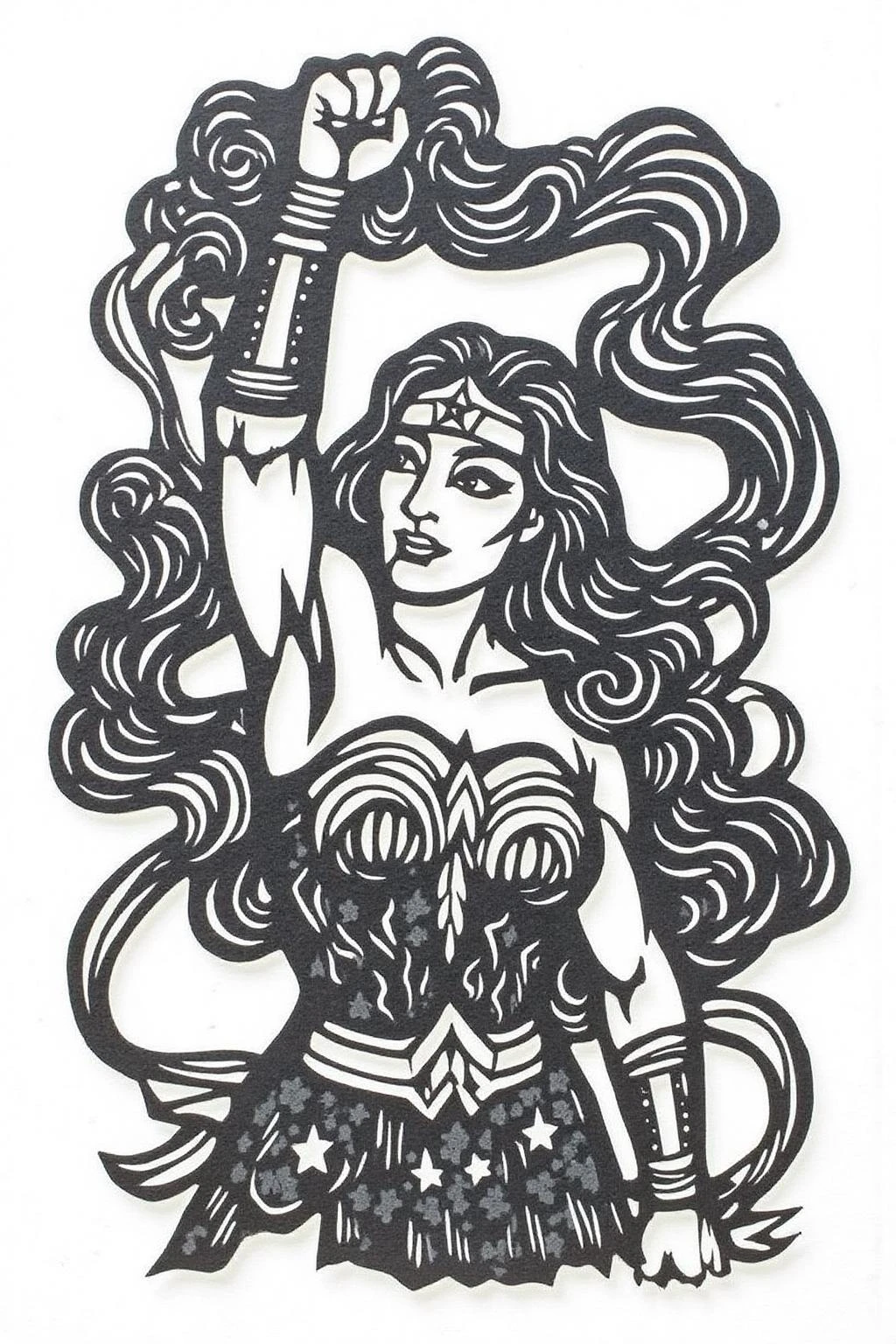
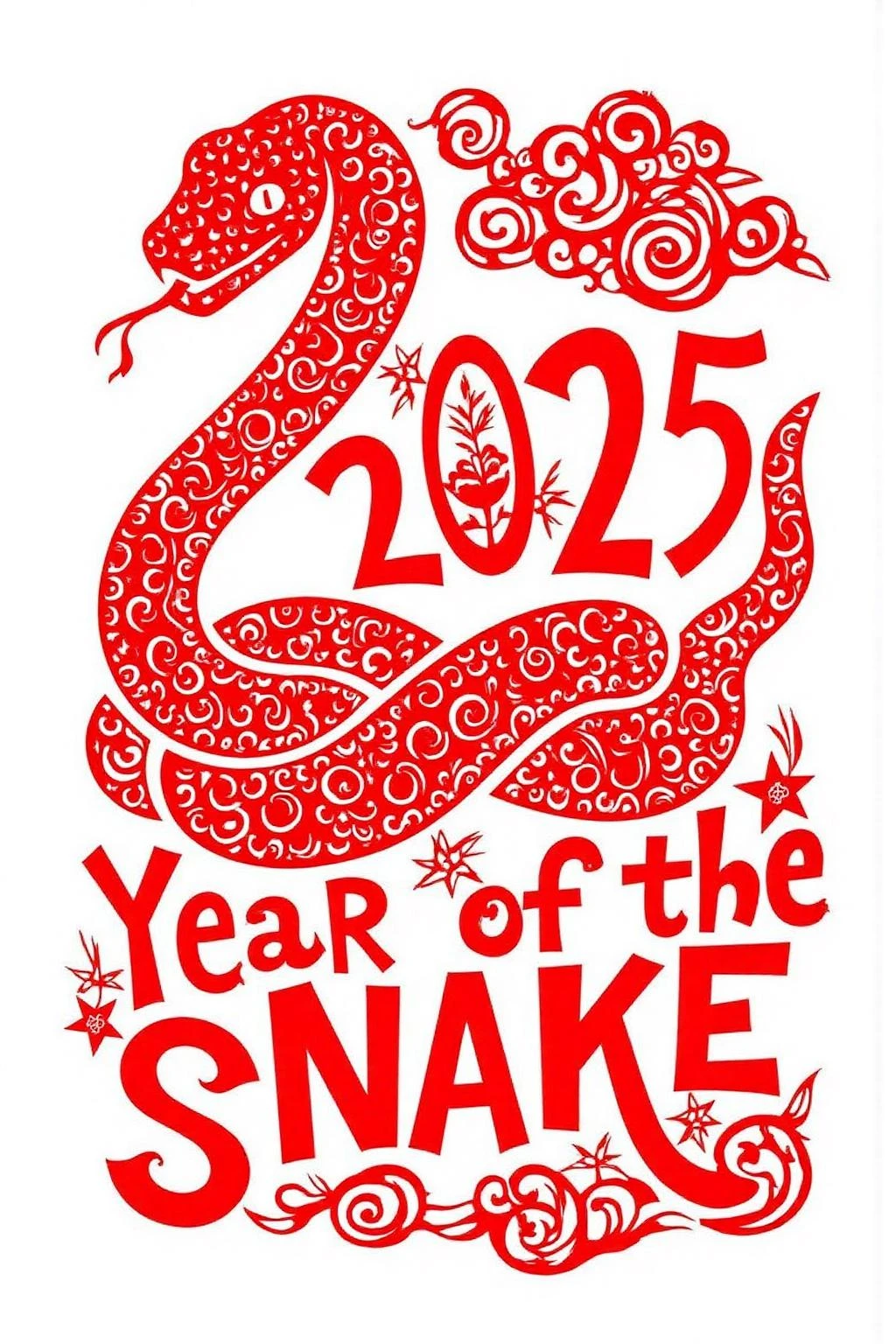
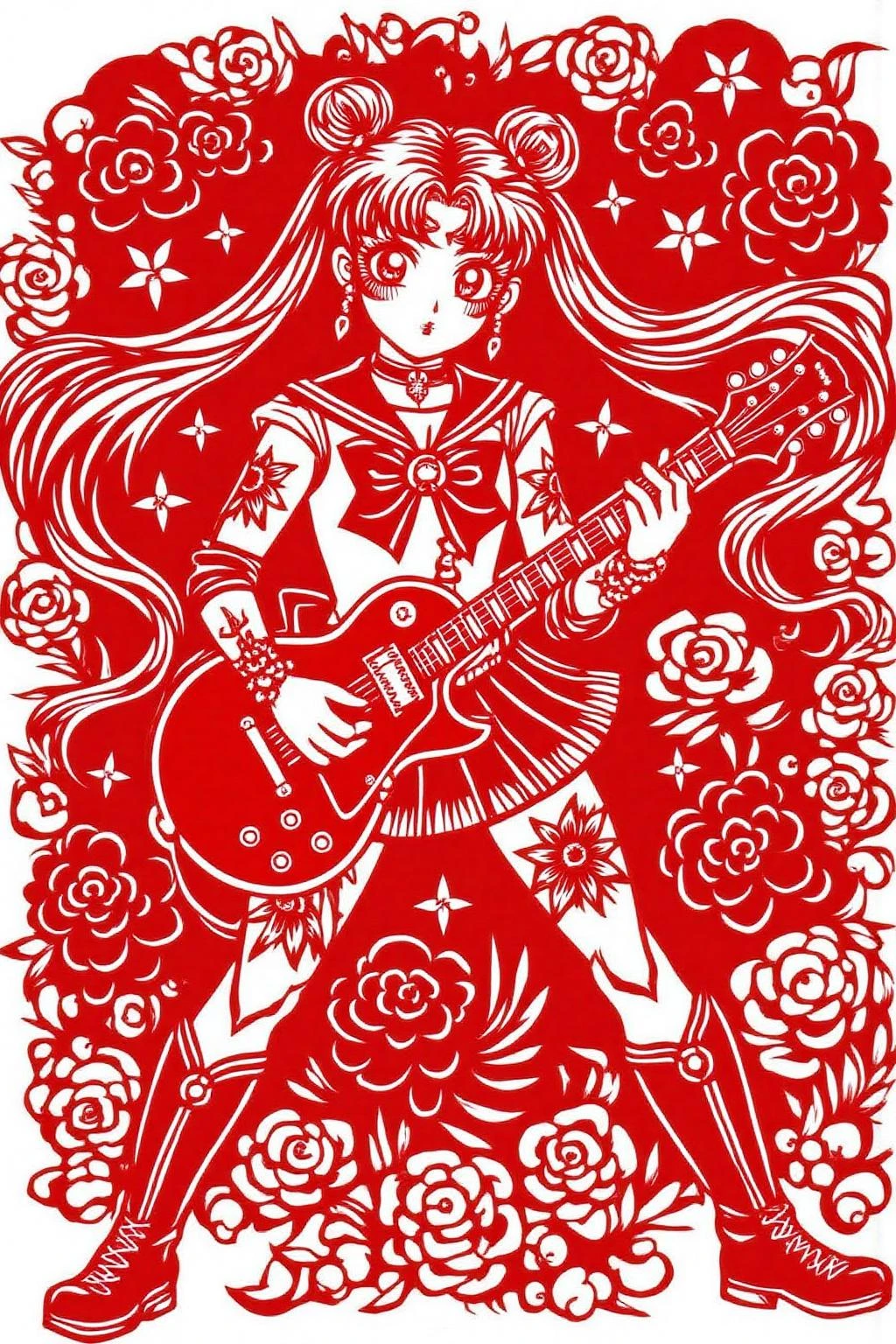
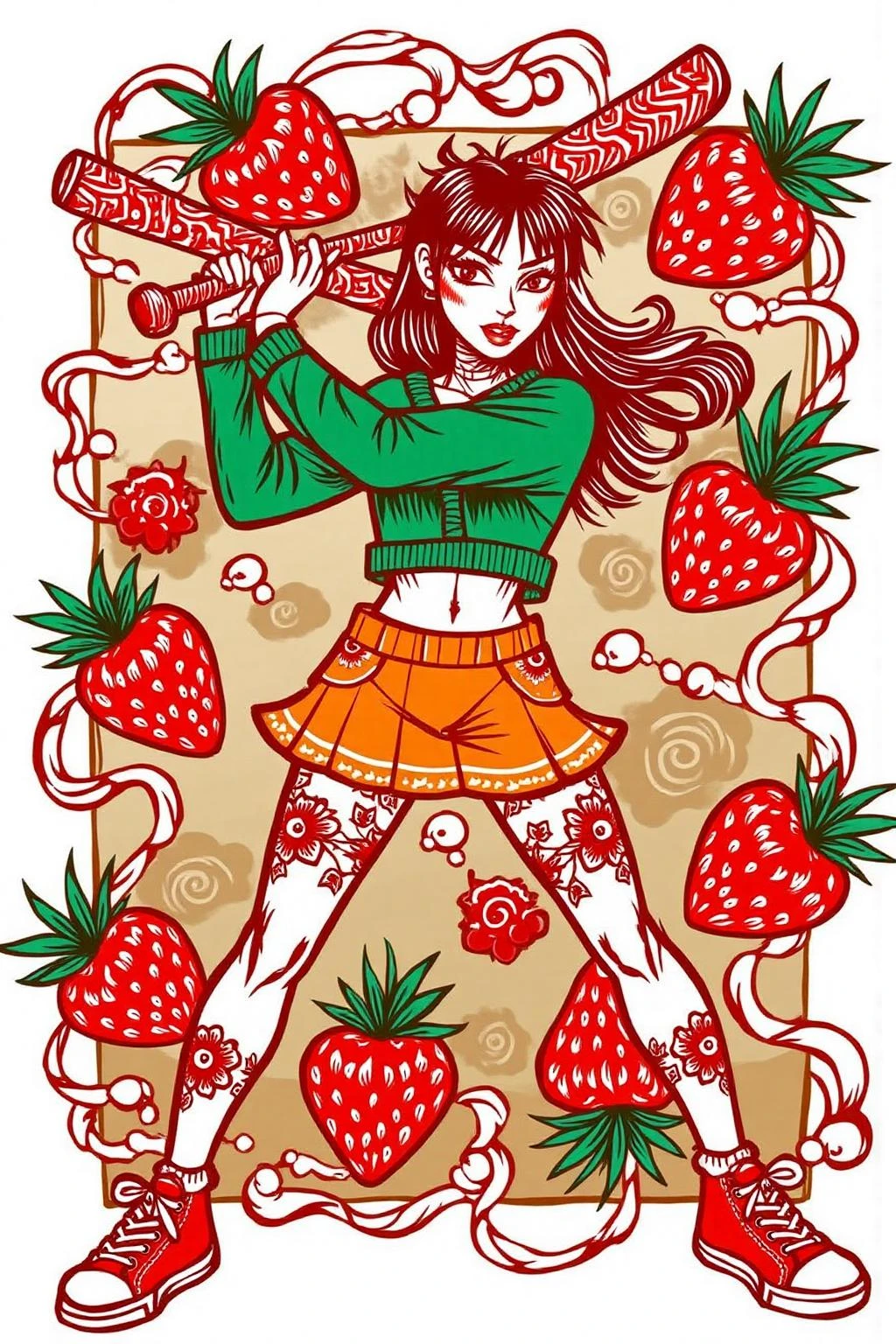
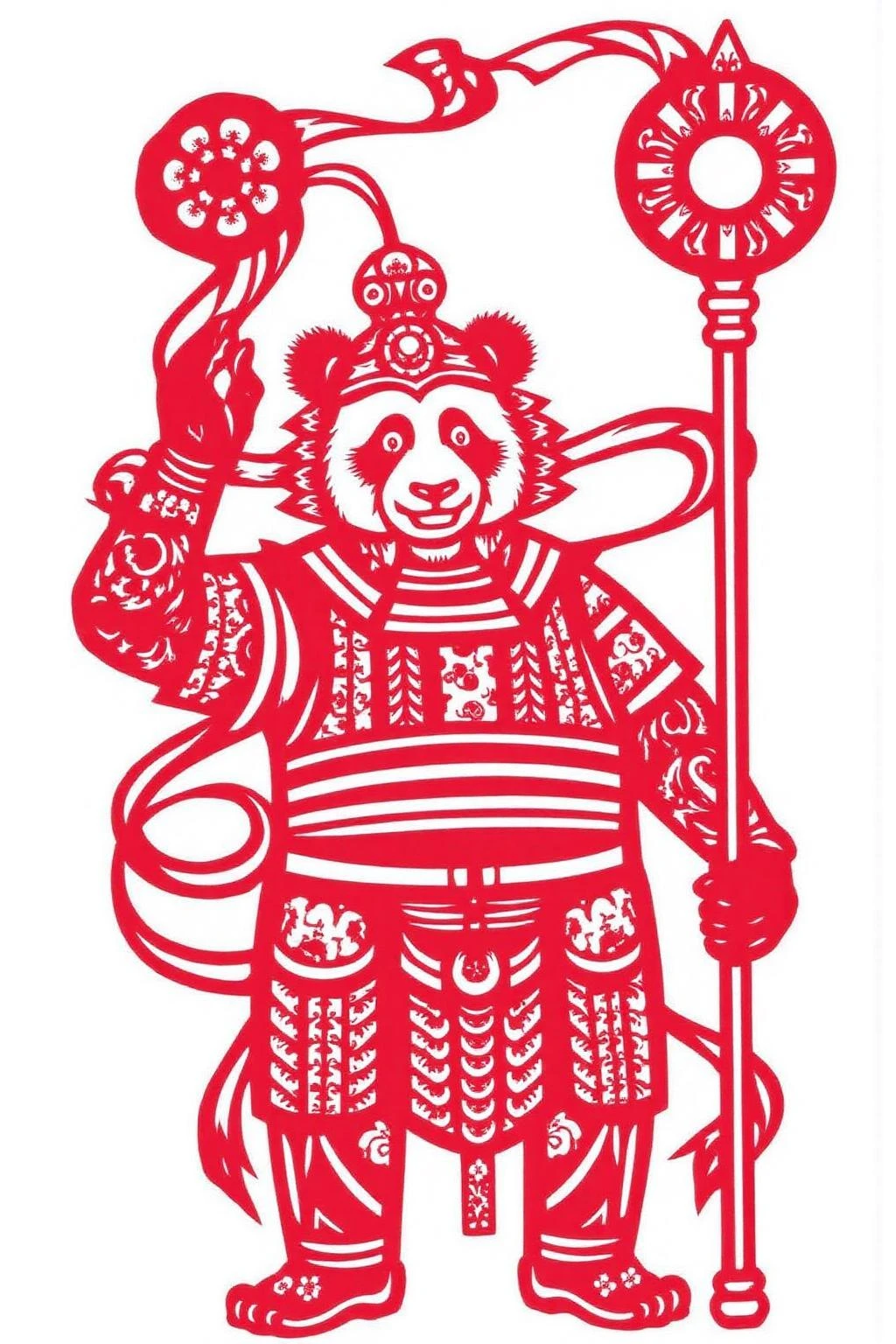
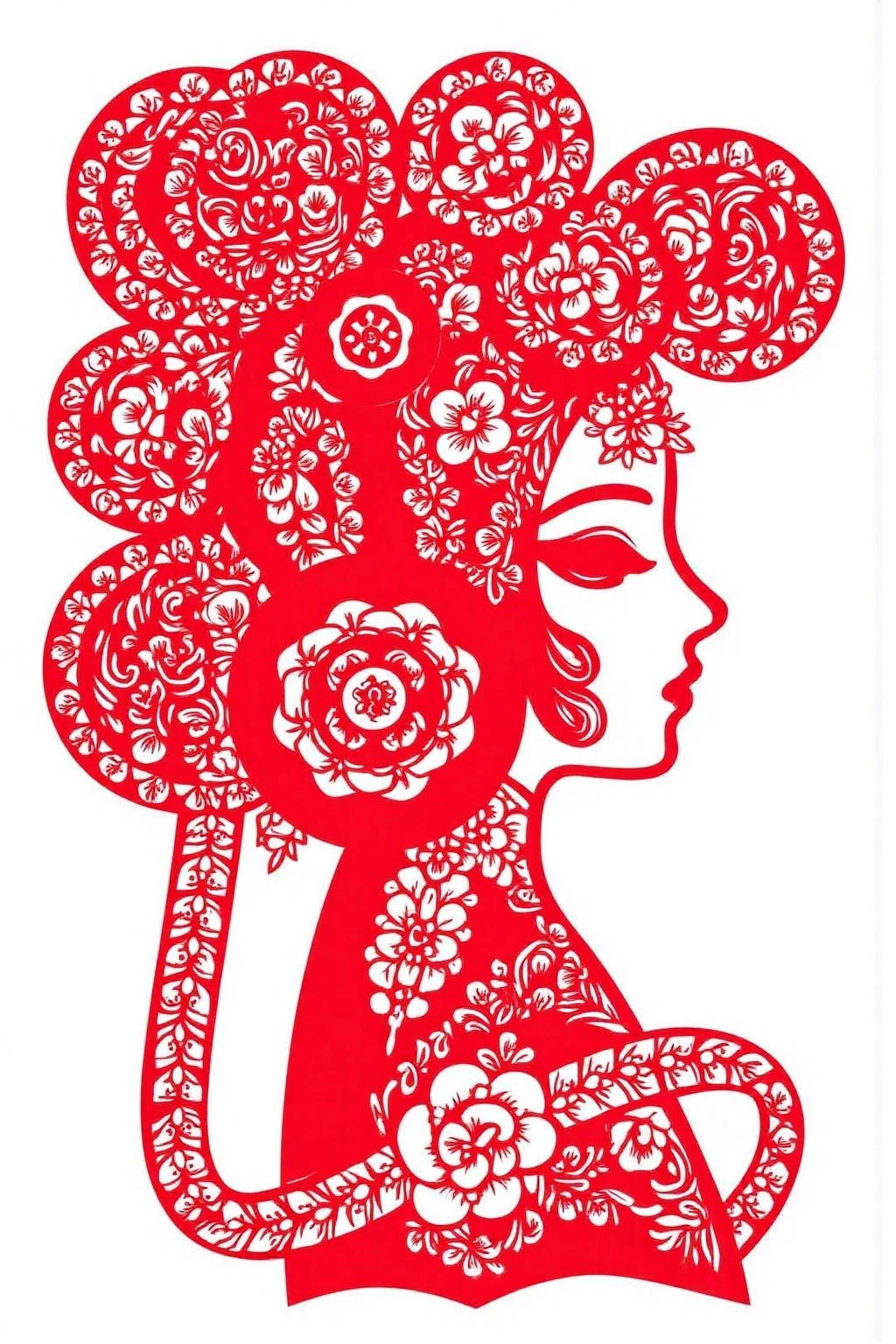
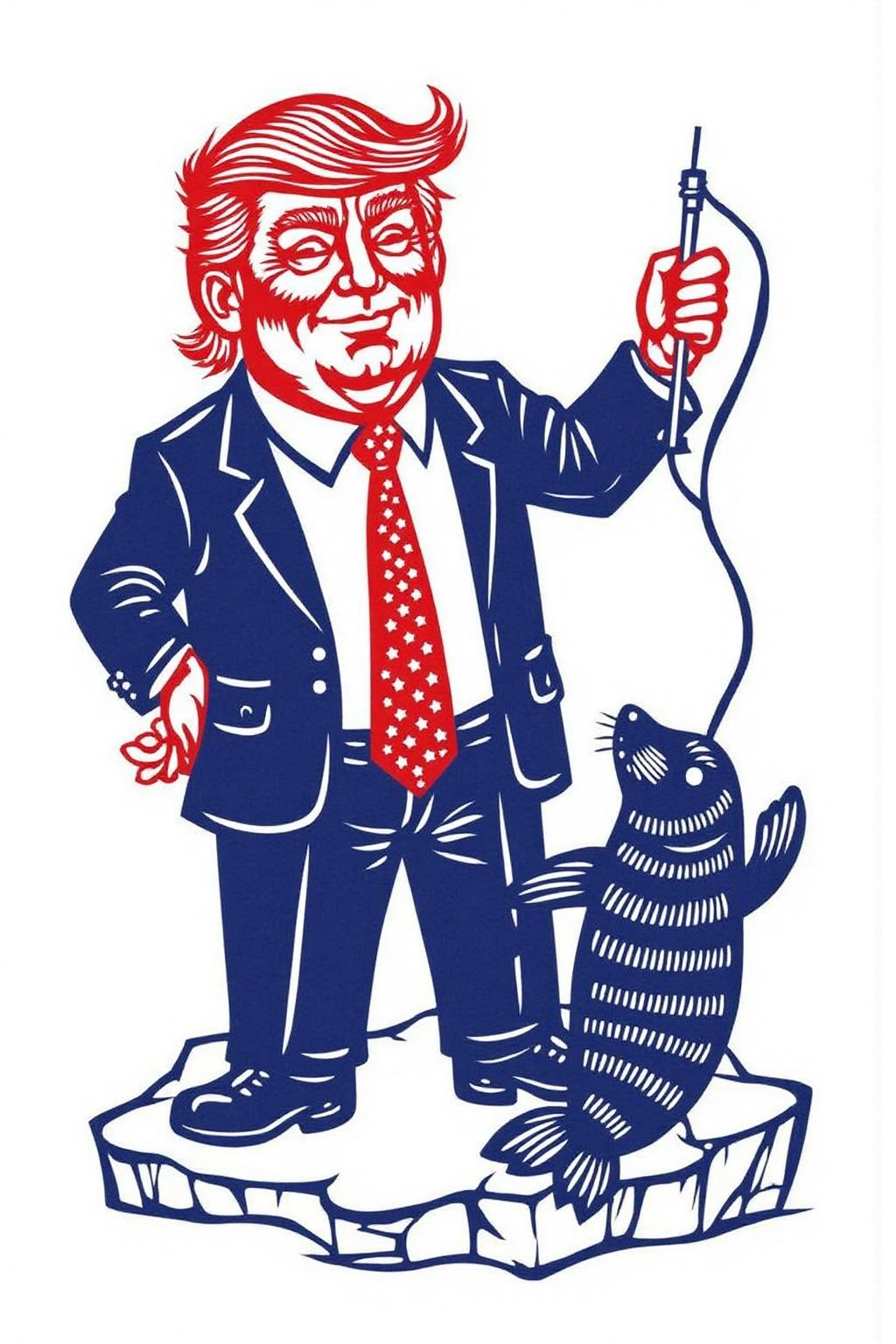
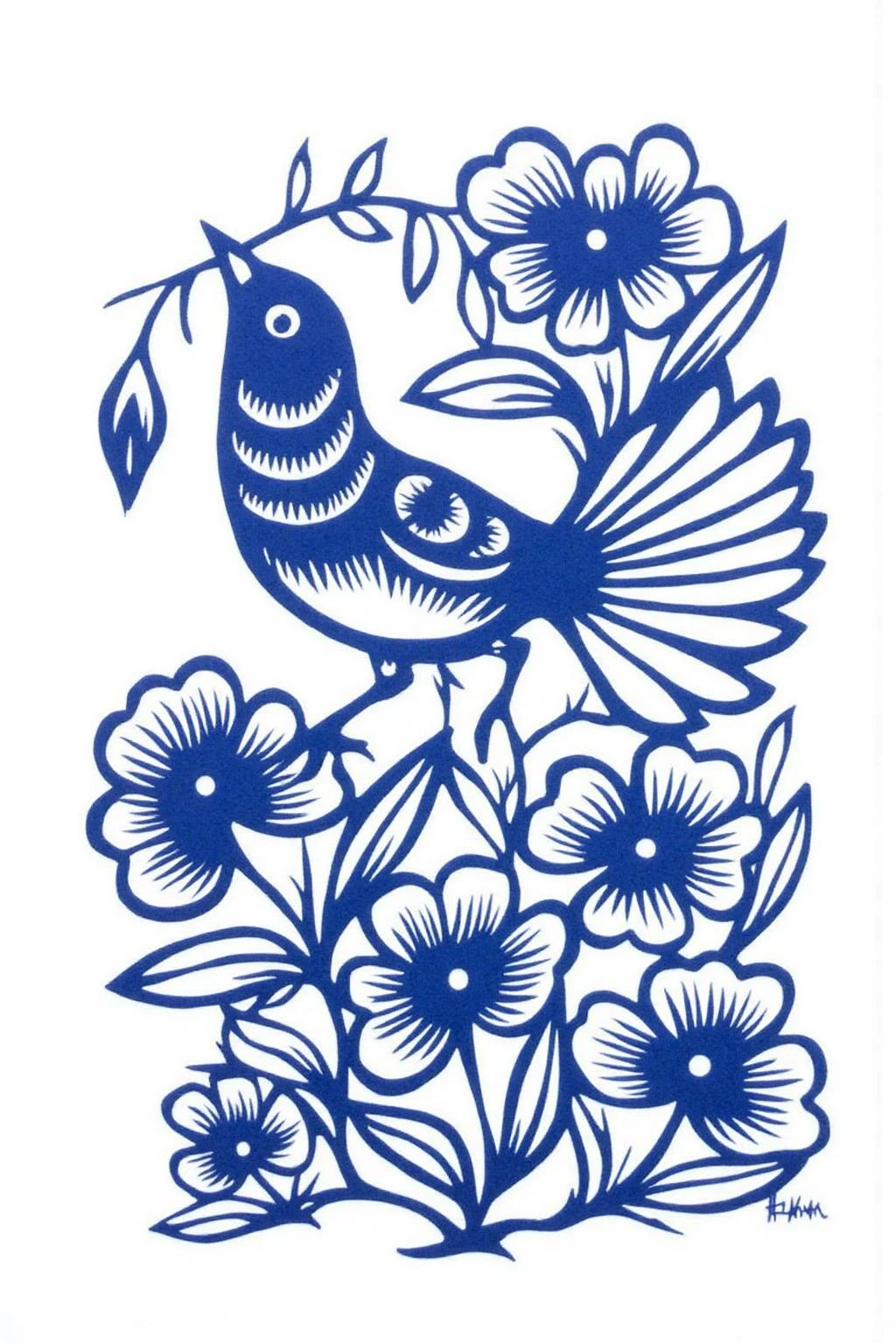
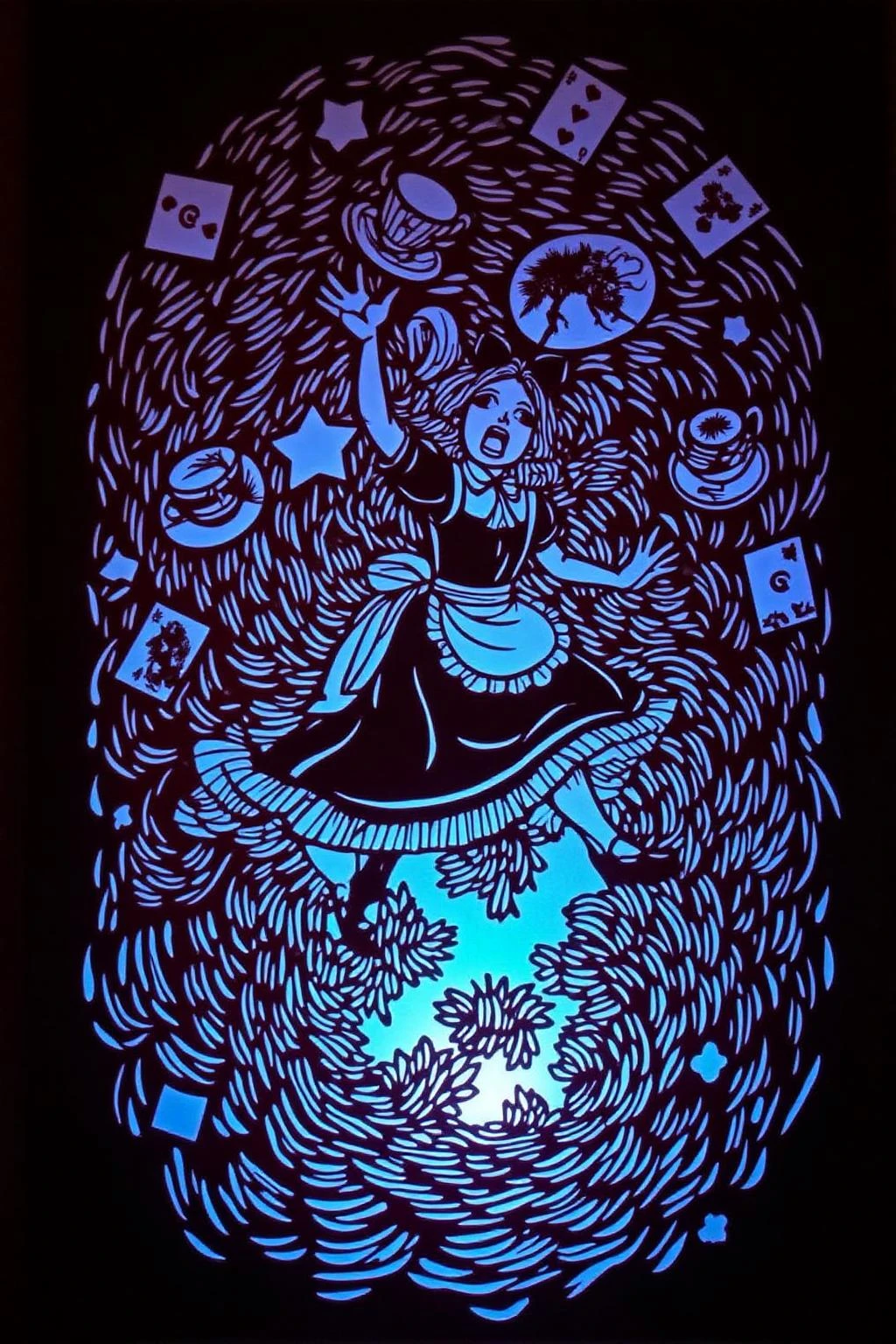
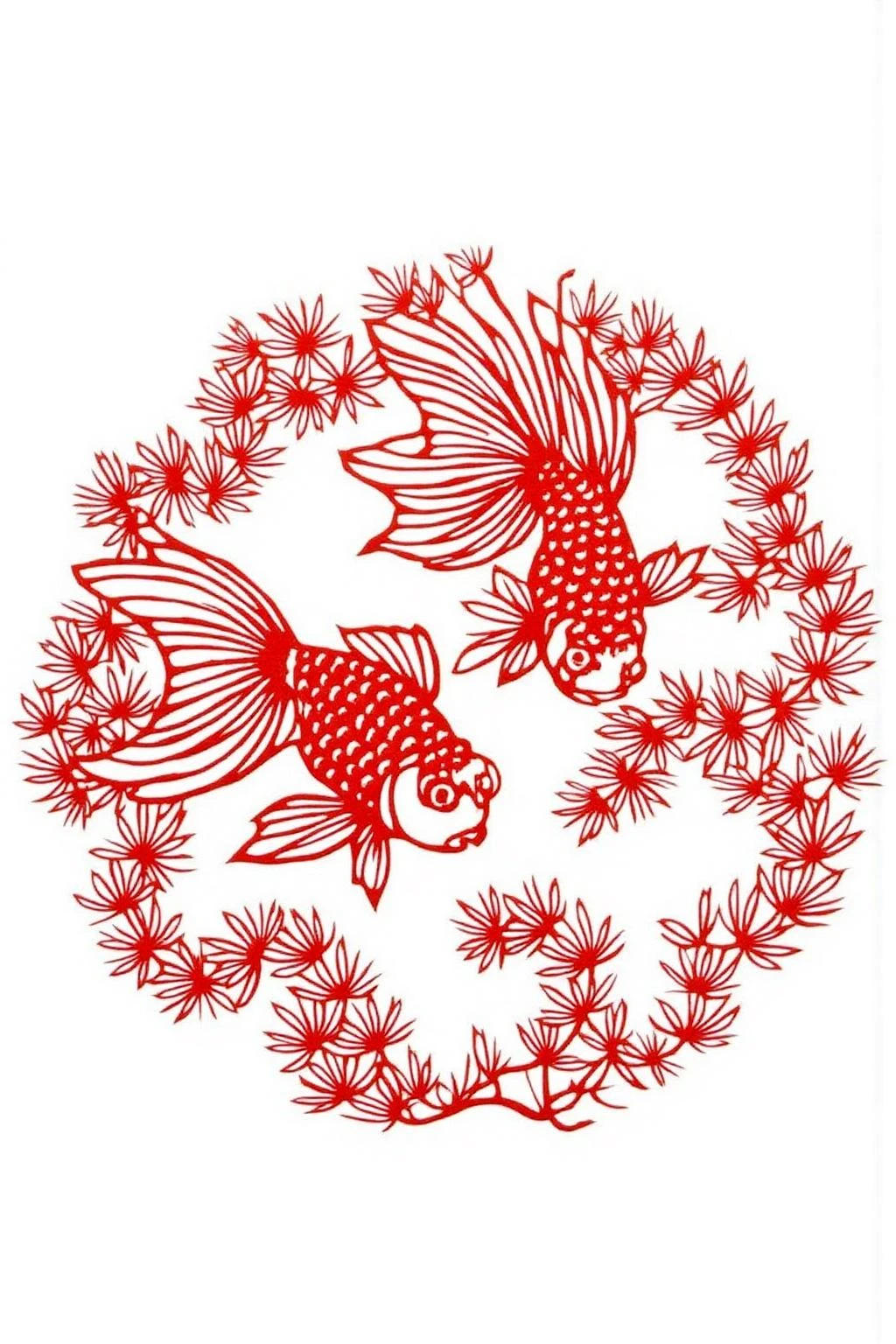
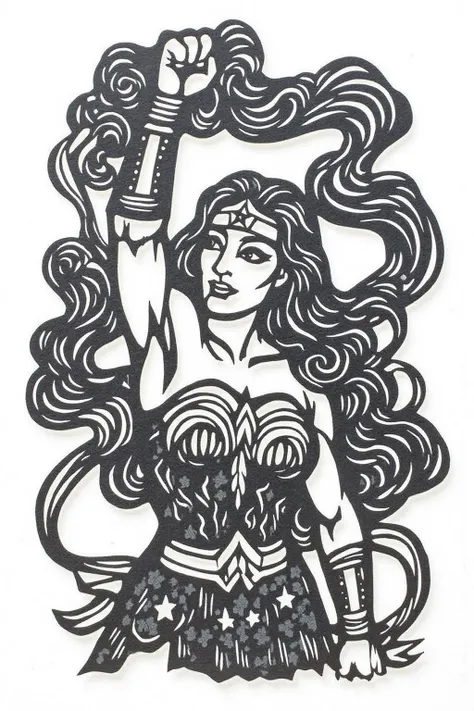
The Chinese New Year is almost here, so it is time to make some Chinese paper cutting artwork with red paper to decorate your home. Here is the perfect LoRA for you.
Trained on nineteen images of traditional Chinese paper cutting. Please go to https://www.flickr.com/photos/jason5yuan/albums/72157600307285121/ to see some real artworks.
Note that even though the LoRA works very well most of the time, sometimes it breaks the rule that a proper paper cutting work is one continuous piece of paper.
From ChatGPT:
Chinese papercut art (剪纸, jiǎnzhǐ) is a traditional folk art with a history spanning over 1,500 years. It involves creating intricate designs by cutting paper, often with scissors or small knives. Papercuts are used for decorative purposes and are deeply rooted in Chinese culture, symbolizing luck, prosperity, and celebration. They are closely associated with festivals, rituals, and daily life.
Historical Background
Origins:
Papercut art emerged during the Eastern Han Dynasty (25–220 CE), shortly after the invention of paper by Cai Lun.
Initially, papercuts were used in ceremonial contexts, such as funerals, to represent offerings or protect against evil spirits.
Development:
During the Tang (618–907) and Song Dynasties (960–1279), papercutting became more widespread and refined, transitioning into decorative art.
By the Ming (1368–1644) and Qing Dynasties (1644–1912), it had become a popular folk craft across China, with regional variations in style.
Techniques
Materials:
Traditional papercuts are made from thin, durable paper, often dyed red, as red symbolizes good fortune in Chinese culture.
Tools:
Scissors: Used for freehand cutting.
Knives: Small, sharp knives allow for greater precision and intricate details.
Process:
Complexity:
Themes and Symbolism
Chinese papercuts often convey cultural values and auspicious messages. Common themes include:
Festivals:
Papercuts are used to decorate homes during celebrations, such as the Lunar New Year.
Traditional motifs include dragons, phoenixes, and lanterns.
Animals:
Zodiac animals: Represent the 12 animals of the Chinese zodiac.
Fish (鱼, yú): Symbolizes abundance and prosperity due to its homophonic association with "surplus."
Flora:
Folklore and Legends:
Good Luck Phrases:
Uses
Festive Decorations:
Ceremonies:
Used in weddings to symbolize harmony and good fortune.
During funerals, they can represent protection for the deceased.
Gifts:
Practical Applications:
Regional Styles
Different regions in China have developed their own distinct papercut traditions:
Shaanxi Style:
Hebei Style:
Fujian Style:
Jiangsu Style:
Modern Developments
Cultural Preservation:
Papercutting has been recognized as an Intangible Cultural Heritage by UNESCO since 2009.
Efforts are underway in China to preserve this art form, including workshops, exhibitions, and school programs.
Contemporary Art:
Global Influence:
Famous Artists
Some renowned practitioners of Chinese papercutting include:
Hou Yumei:
Gao Fenglian:
Conclusion
Chinese papercut art is a testament to the country's rich cultural heritage and artistic ingenuity. From its humble beginnings to its current role as a global symbol of Chinese tradition, this intricate craft continues to captivate audiences with its beauty, symbolism, and historical significance.