類型
LORA
发布時間
2025-09-23
基础模型
Illustrious
触发词
Linothorax
復制


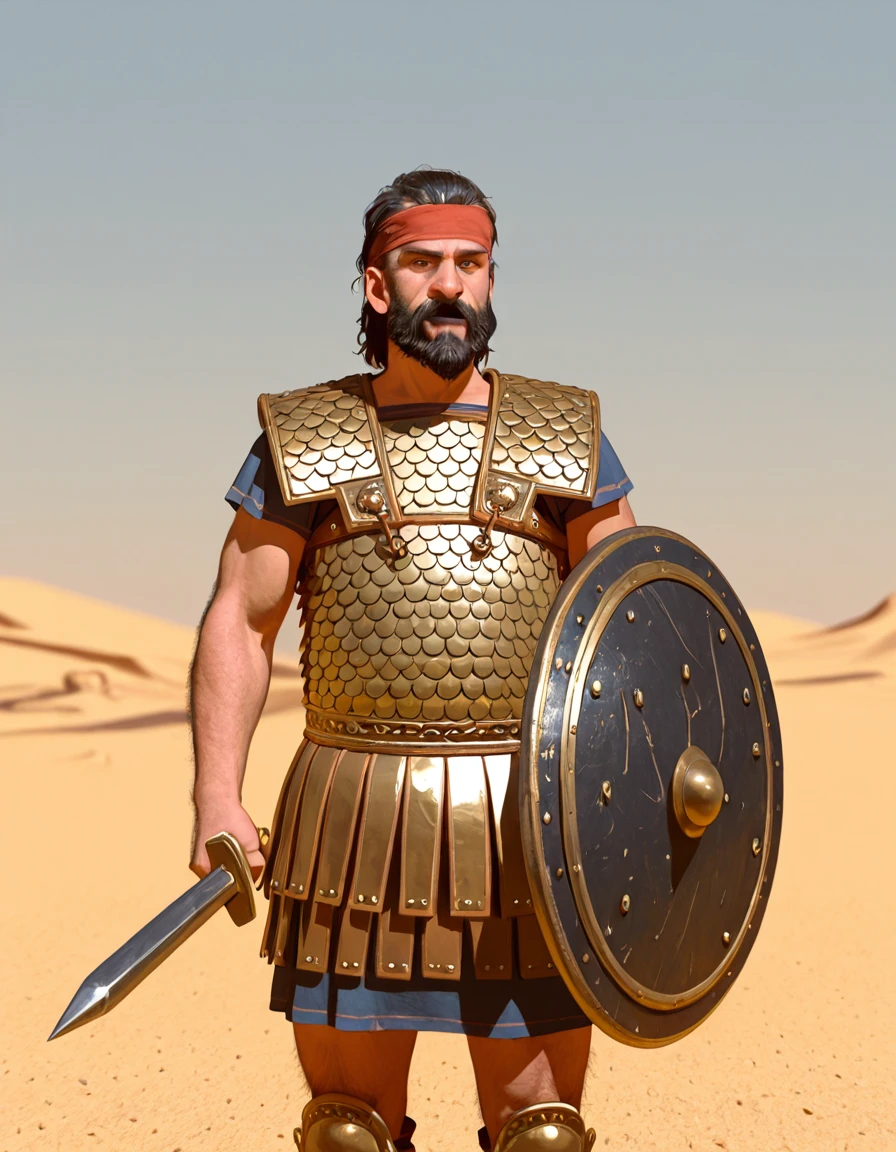
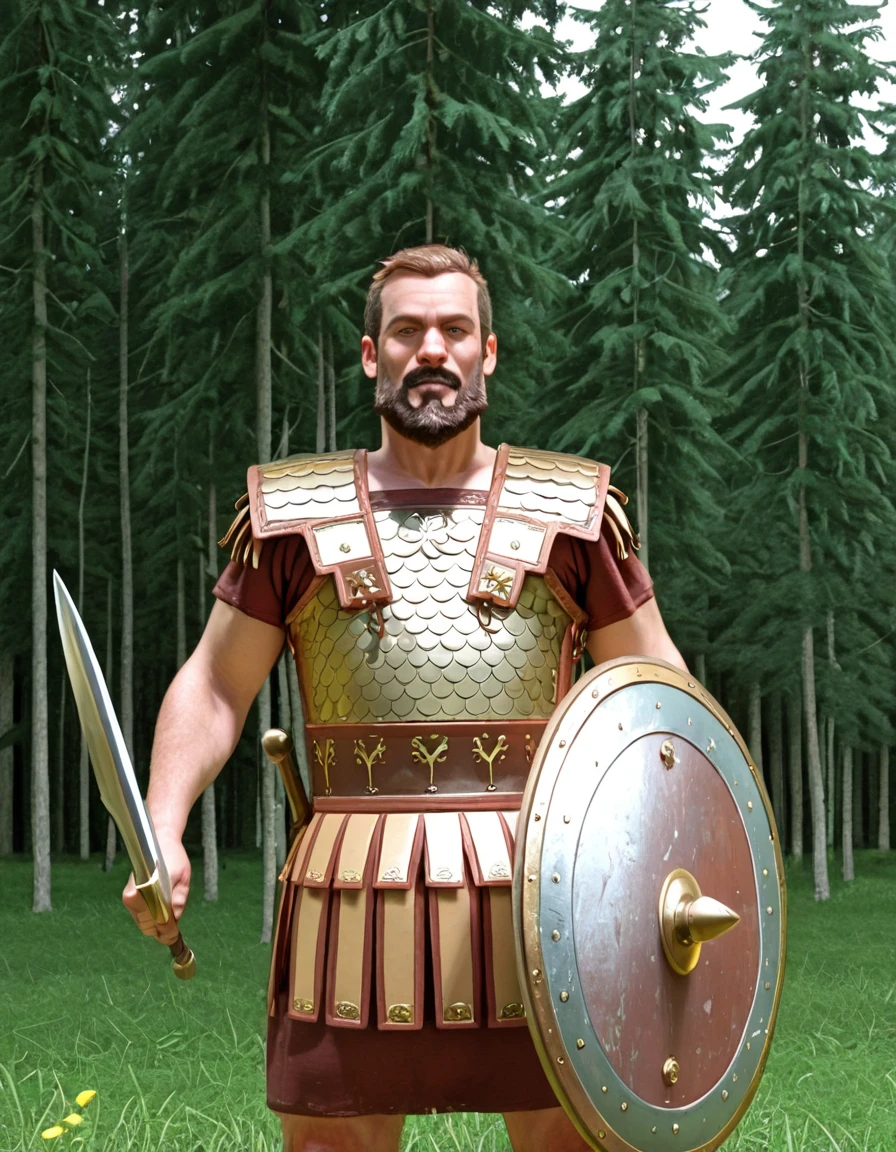
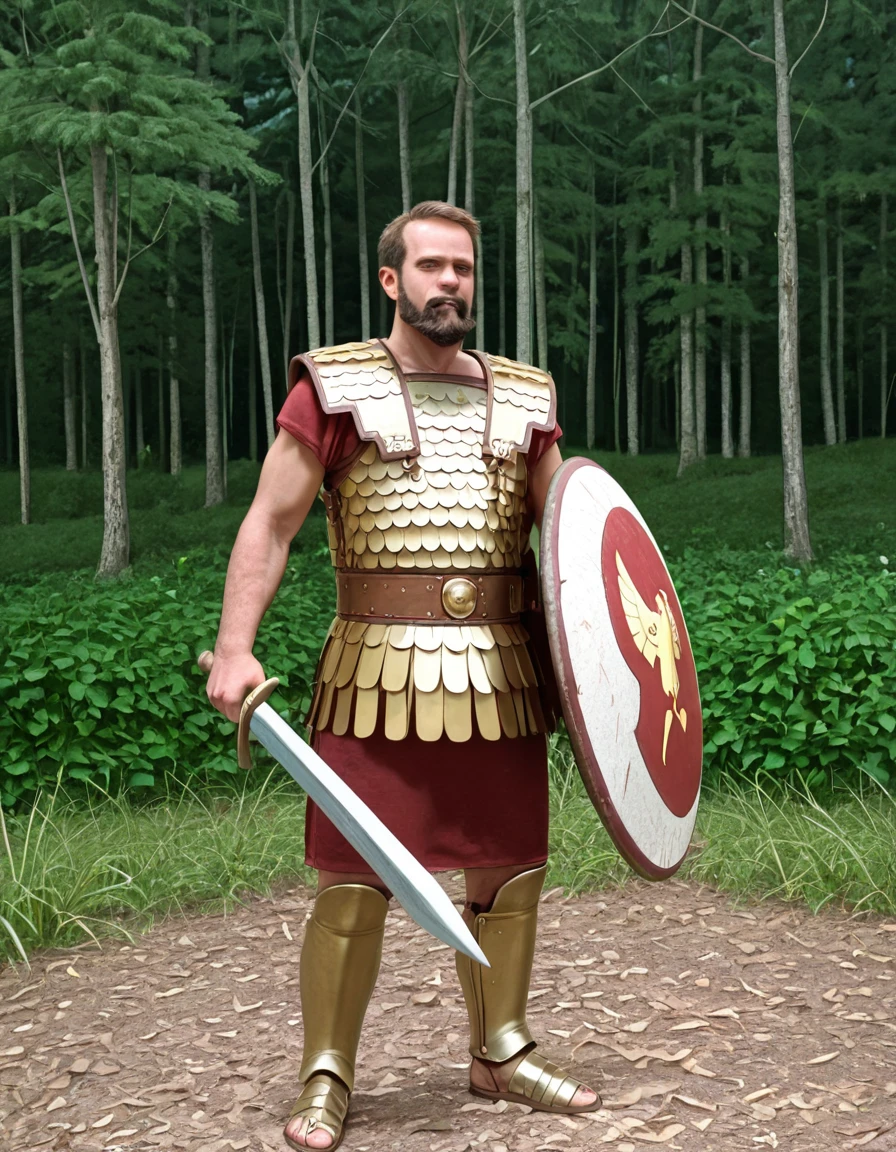

The linothorax (/ˈliːnoʊθɔːræks/, from the Ancient Greek: λινοθώραξ, Ancient Greek: [linotʰɔ̌ːraːks]) is a type of upper body armor that was used throughout the ancient Mediterranean world. The term linothorax is a modern term based on the Greek λινοθώραξ, which means "wearing a breastplate of linen";[1] a number of ancient Greek and Latin texts from the 6th century BC to the third century AD mention θώρακες λίνεοι (thorakes lineoi) (Greek) or loricae linteae (Latin) which means 'linen body armour'. These are usually equated with some of the armour shown in sculptures and paintings from Italy and Greece from 575 BC onwards. Very little is known about how ancient linen armour was made. Linen armour in other cultures was usually quilted and stuffed with loose fibre or stitched together many layers thick, but it could also have been made with a special weave called twining which creates a thick, tough fabric.[2] The theory that it was made of layers of linen glued together comes from a mistranslation of a summary of a description of medieval armour in 1869.[3][4]
1. 轉载模型僅供學習與交流分享,其版權及最終解释權归原作者。
2. 模型原作者如需認領模型,請通過官方渠道联系海藝AI工作人員進行認證。我們致力於保護每一位創作者的權益。 點擊去認領
